
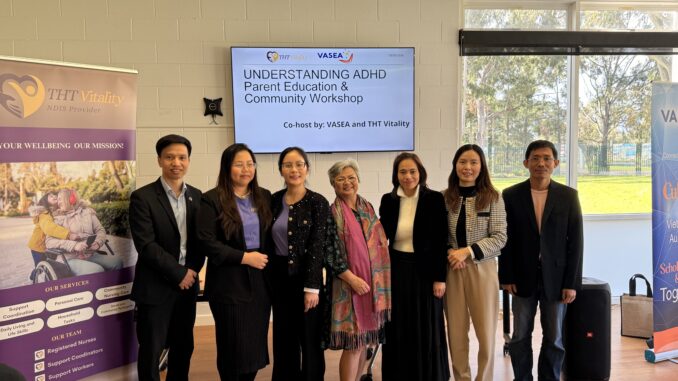
A Day of Connection, Hope and Possibility
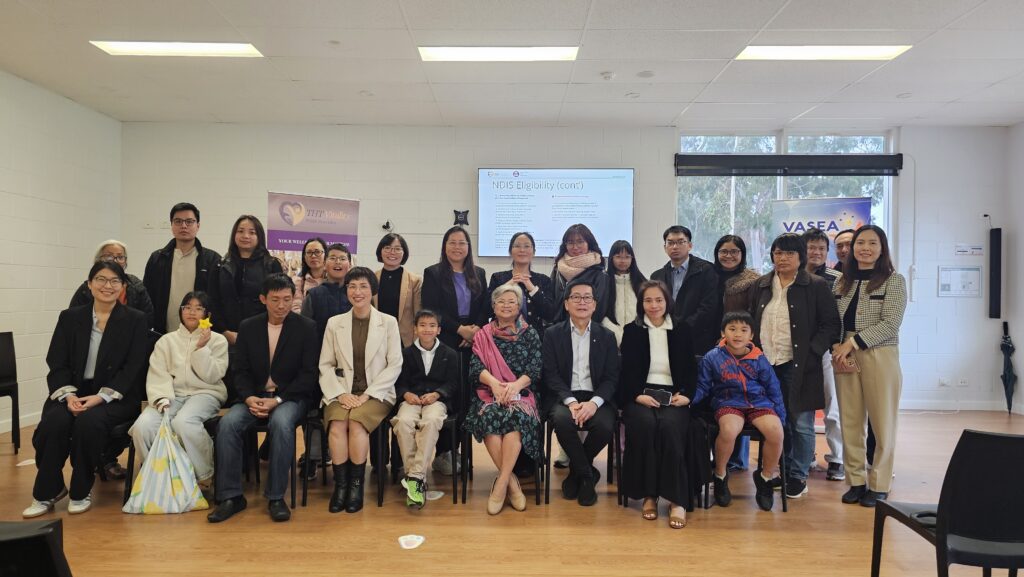
Understanding ADHD: A Day of Connection, Hope and Possibility
On Saturday, 8 August 2026, families, professionals, educators and community members came together at Stirling Leisure – Inglewood for a special ADHD Parent Education and Community Workshop focused on understanding, connection and hope.
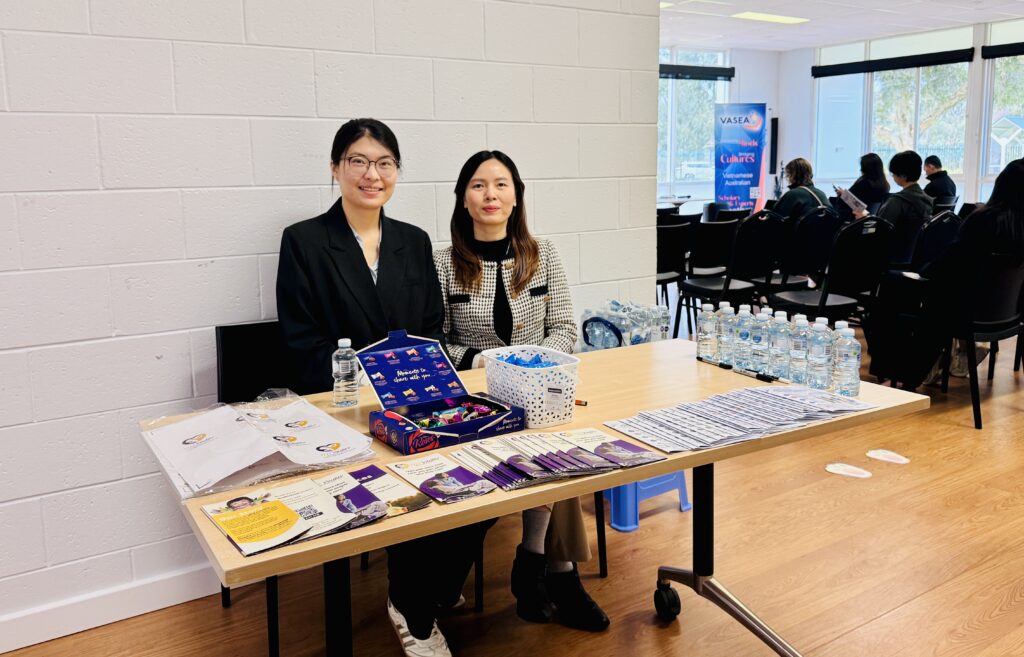
The day began long before the first guest arrived. Behind the scenes, the organising team had spent weeks preparing every detail—from setting up the venue and registration area to preparing the children’s corner, coordinating presenters and interpreters, organising refreshments and checking the technology to ensure everything was ready to welcome families.
There was excitement and anticipation, but also one question: would families come despite the weather?
Then came the rain.
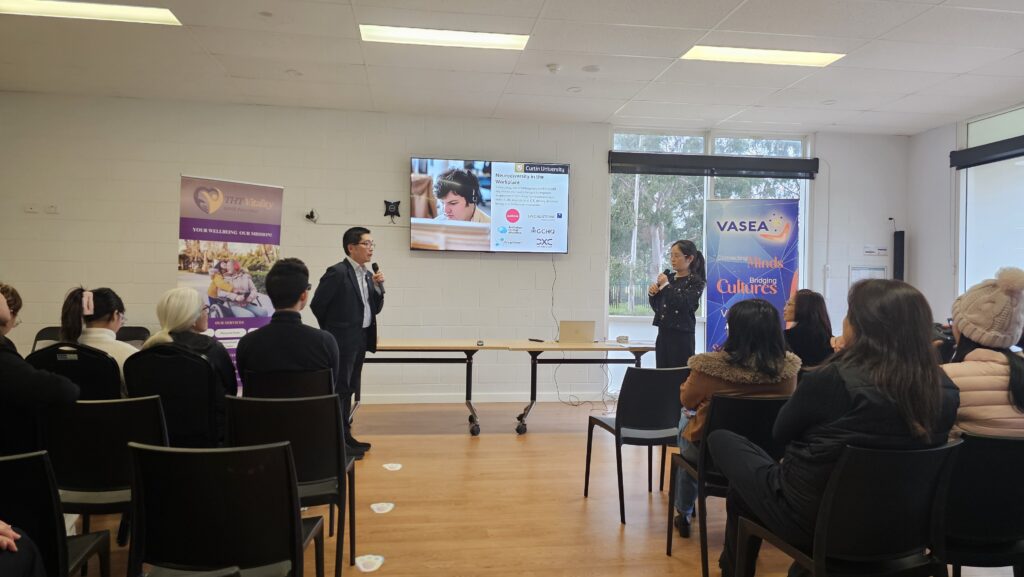
Yet the rain did not stop the community. Families continued to arrive, and the room gradually filled with parents, carers, professionals and community members who had come because they wanted to understand ADHD better and, most importantly, find a way forward for their children.
A Room Full of Questions—and Hope
The workshop opened with a warm welcome before moving into Understanding ADHD, presented by Dr Peng An Khun from The University of Western Australia, with interpretation by Ms Hannah Le.
The session explored ADHD characteristics, diagnosis and common misconceptions, giving families an opportunity to learn, reflect and ask questions in a supportive environment.
For many parents, understanding begins with having a safe space to ask questions without judgement. The workshop created that space.
Parents listened, shared their experiences and connected with others at different stages of their journey. Although every family was different, there was a common thread: the desire to understand their children and help them thrive.
The Voice of a Mother
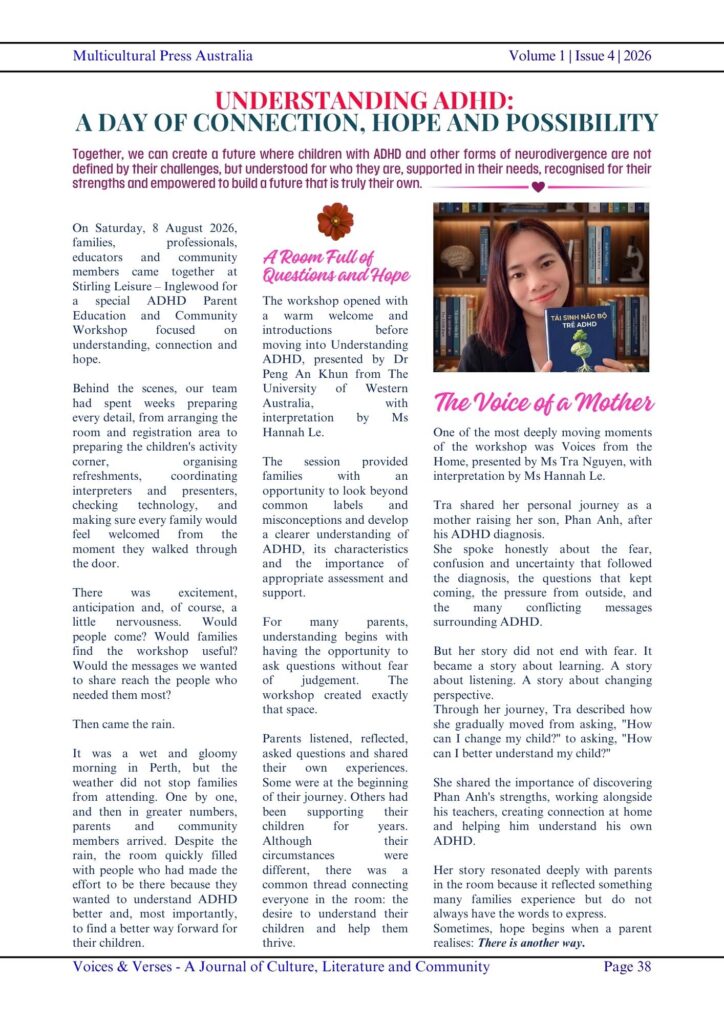
One of the most moving sessions was Voices from the Home, presented by Ms Tra Nguyen, with interpretation by Ms Hannah Le.
Tra shared her deeply personal journey as a mother following her son’s ADHD diagnosis—the fear, confusion and uncertainty she experienced, and the years she spent searching for a better understanding of ADHD.
But her story was ultimately one of transformation.
Through her journey, Tra described how she moved from asking, “How can I change my child?” to asking, “How can I better understand my child?” She shared the importance of discovering her son’s strengths, working closely with his teachers, building connection at home and helping him understand his own ADHD.
Her story resonated deeply with parents in the room because it reflected an experience many families know well.
Sometimes, hope begins when a parent realises:
There is another way.
From Understanding to Connection
The program also included time for families to connect over brunch and share their experiences.
Although the Egg & Spoon activity had been planned as part of the program, it was not able to go ahead due to limited time. Even so, the informal conversations over brunch provided a valuable opportunity for parents to meet one another, exchange experiences and discover that they were not alone.
Building a Support Team
The session Building Support Teams, presented by Ms Hannah Le RN, Director of THT Vitality, focused on an issue that is critically important for families: how to build effective support around a child.
Supporting a child with ADHD should never be the responsibility of one person alone. Families, schools, health professionals and community organisations all have an important role to play.
The session explored school accommodations, communication with educators and pathways to local support services.
The message was simple but powerful:
Families do not have to walk this journey alone.
The Neurodivergent Advantage
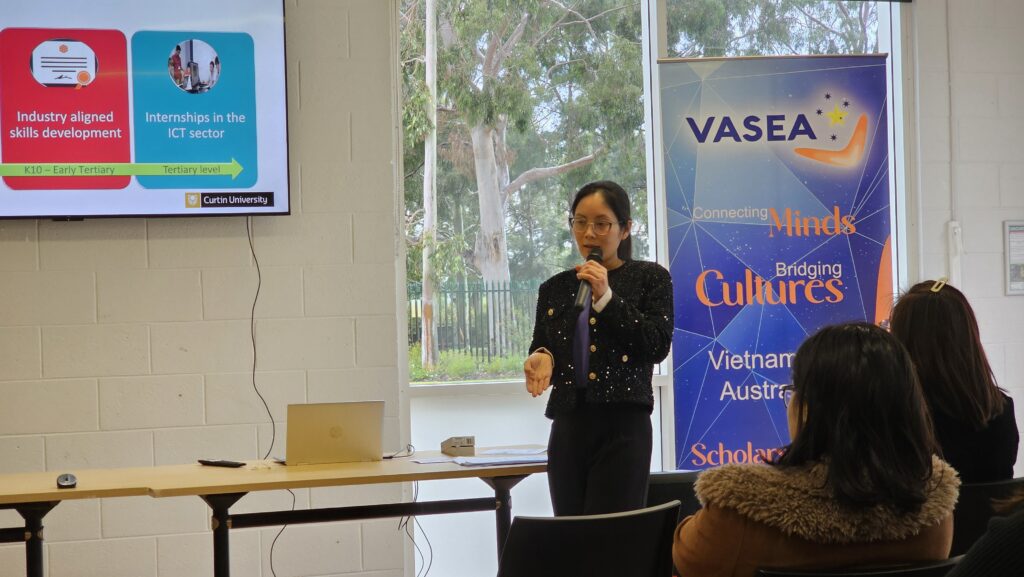
The workshop continued with The Neurodivergent Advantage: Unlocking Strengths for Lifelong Success, presented by Professor Tele Tan AM.
While the presentation title had evolved from the original program description, the focus remained consistent: recognising strengths, creating opportunities and supporting neurodivergent individuals to thrive.
The presentation broadened the conversation beyond challenges and diagnosis to consider education, inclusion, strengths and future possibilities.
For parents, it was an important reminder that we should not only ask, “What is difficult?”
We should also ask:
What are this child’s strengths?
How can we nurture them?
What opportunities can we create for the future?
When we look at children only through the lens of their challenges, we risk missing the person in front of us.
A strengths-based approach invites us to see the whole child.
A Message of Hope
Perhaps the most powerful feedback came from the parents themselves. Many left feeling more informed, less alone and more confident about seeking support for their children. Most importantly, they left with a renewed belief that there is a way forward and there is hope. For some, it was the knowledge they had been searching for; for others, the reassurance that they were not alone. Sometimes the greatest impact is simply seeing a child differently—with greater understanding, patience, confidence and hope.
A Community Effort
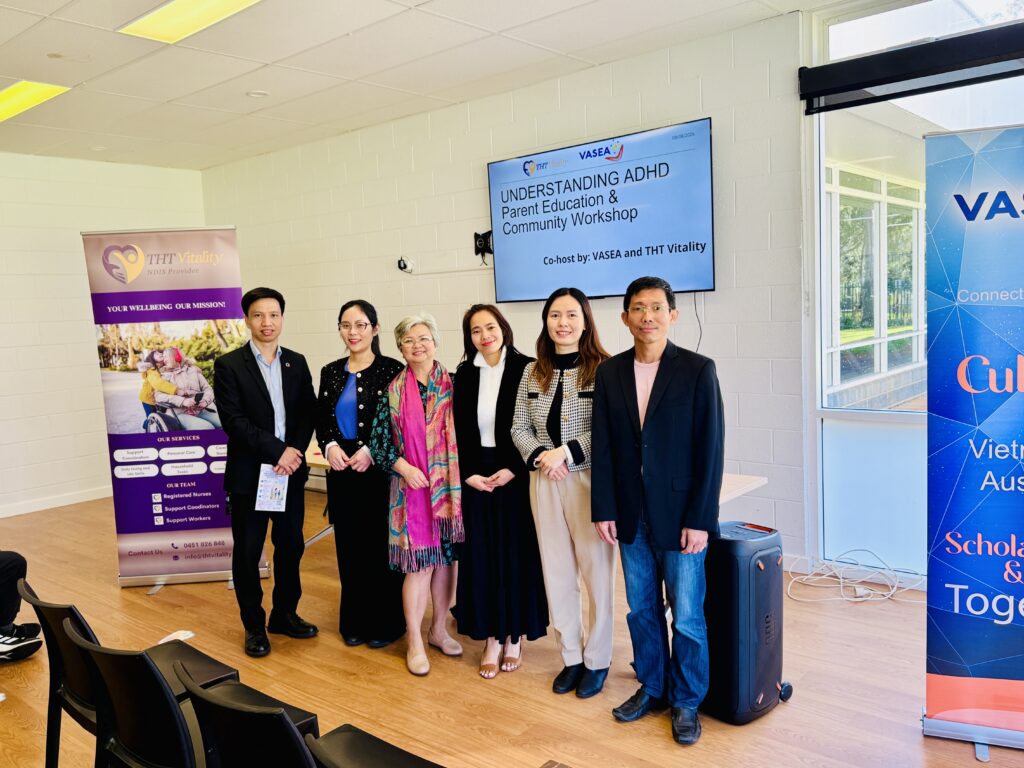
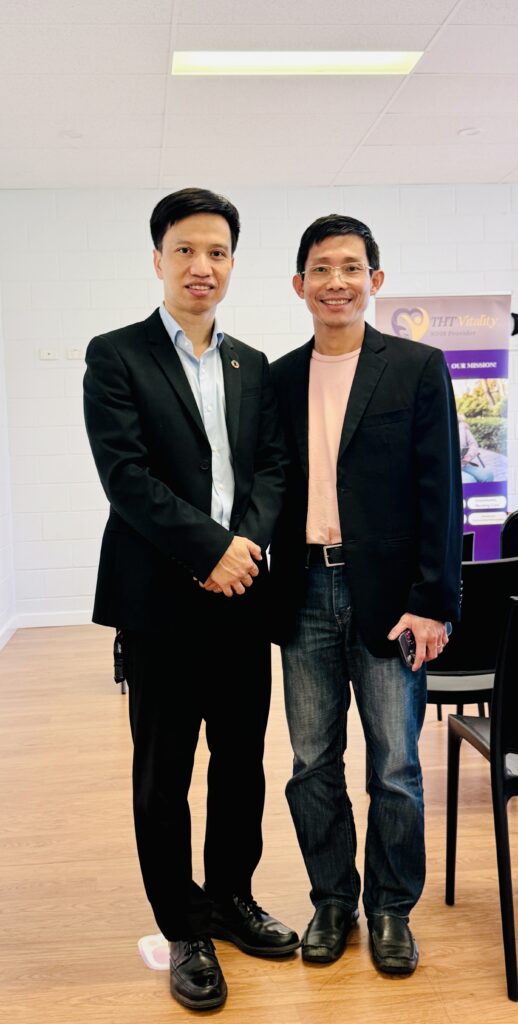
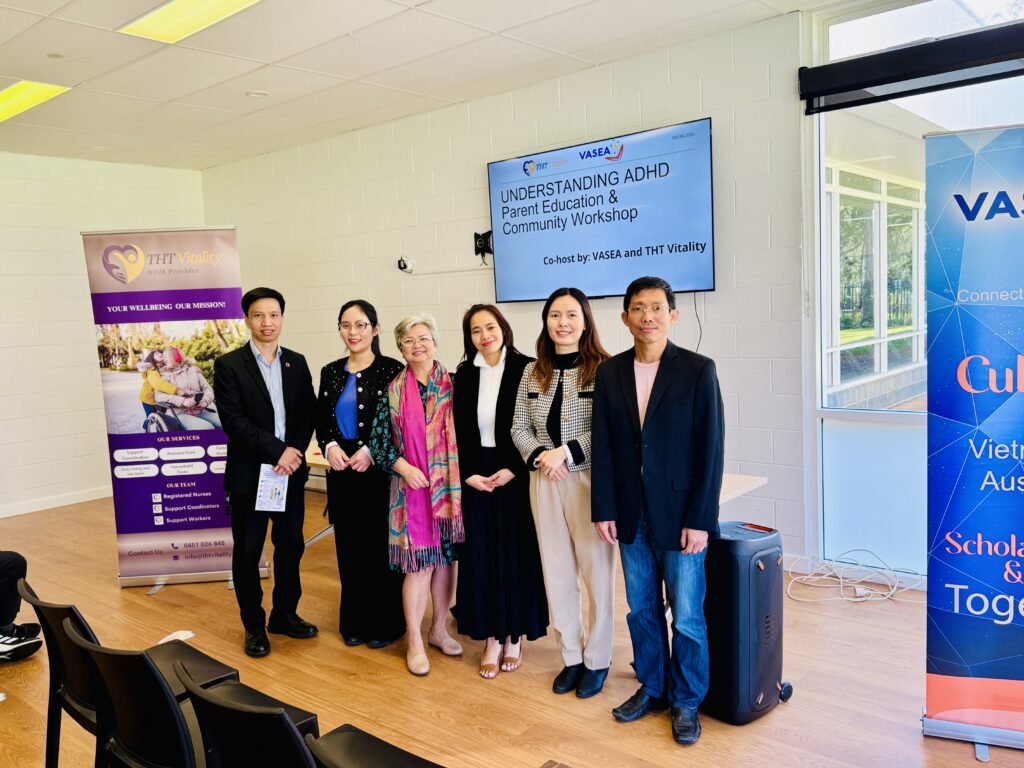
The workshop was proudly organised by VASAE, together with THT Vitality Pty Ltd, bringing families, professionals and community leaders together around a shared purpose: to build greater understanding, support and hope for children and individuals with ADHD and neurodivergence.
We sincerely thank our generous sponsors, Endurance Care Service, Vietnamese NDIS Plan Manager – HiCom Care, and Lavare Bathrooms, whose valuable support helped make the event possible. We are also grateful to our presenters, interpreters, volunteers and community partners who contributed their knowledge, time and heart.
This was more than a workshop—it was a community coming together to say: families are not alone, there is a way forward, and there is hope.
A Team United by Purpose
When the last guest left, the team stayed behind—not only to pack up, but to reflect, share feedback and plan what comes next. We talked about what worked, what families still need, and how we can continue to strengthen education, community connections and practical support.
The workshop was never intended to be a one-off event; it was a beginning. The experience reaffirmed the strong need for accessible, culturally responsive and compassionate education about ADHD and neurodiversity—and, above all, a connected community where families know they are not alone.
The Journey Continues
The success of the workshop belongs to everyone who made it possible—the presenters, interpreters, volunteers, families and supporters who shared their time, knowledge and heart. Most importantly, it belongs to the children and young people at the centre of this work.
We hope this workshop will be remembered not simply as an event, but as the beginning of new conversations, stronger connections and positive change.
Because understanding changes how we see a child, connection strengthens families, and hope opens the door to what is possible.
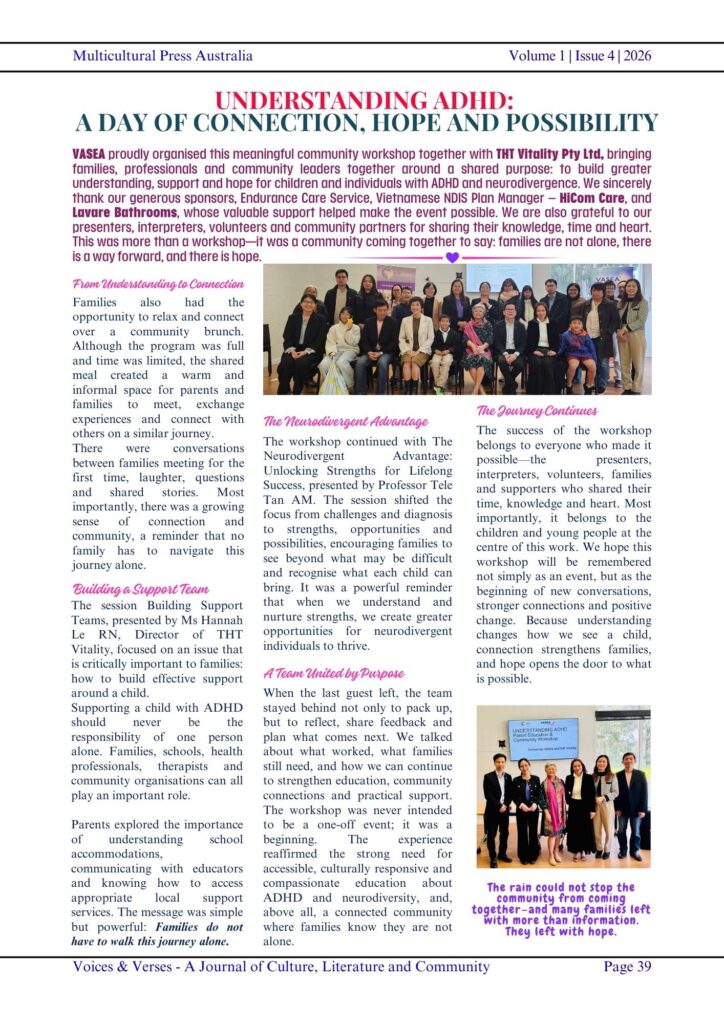
The rain could not stop the community from coming together—and many families left with more than information. They left with hope.


Leave a Reply