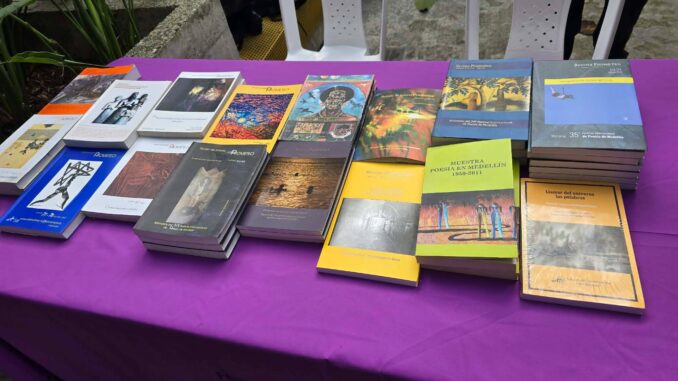
The Medellín International Poetry Festival has long stood as one of the world’s most significant literary gatherings, bringing together poets, thinkers, and artists from every continent to affirm poetry as a force of conscience, resistance, and human connection. In both 2025 and 2026, the festival deepened this mission, positioning poetry not merely as an art form, but as an urgent moral response to global crises.
2025: Poetry as a Voice Against Silence
The 35th Medellín International Poetry Festival marked a defining moment in the festival’s history. While the festival has always championed peace, justice, and human dignity, the 2025 edition placed extraordinary emphasis on global solidarity—especially in response to the ongoing humanitarian catastrophe in Gaza.
At the closing ceremony in Medellín, 46 international poets signed a powerful declaration condemning what they described as both physical and cultural genocide in Gaza and throughout Palestine. Their statement called for an immediate ceasefire, an end to the war, and the lifting of the siege on Gaza. It also strongly rejected the systematic destruction of Palestinian cultural identity, heritage, and human life.
This collective act demonstrated the enduring role of poets as witnesses to suffering and defenders of truth. In times when violence often overwhelms reason, poetry became a language of moral clarity.
A major outcome of the 2025 festival was the launch of the Palestine World Literature Award, established in collaboration with the World Poetry Movement and the General Union of Palestinian Writers.
The award aims to create an international platform for poets and writers to express solidarity with Palestine, illuminate the suffering of its people, and strengthen literature as a voice for freedom and justice. Winning works are expected to be translated into multiple languages, amplifying these voices across borders and cultures.
Speaking at the launch, Murad Al Sudani emphasized that the award honors global literary voices that refuse silence in the face of injustice. Meanwhile, Fernando Rendón reaffirmed the festival’s commitment to cultural resistance and international solidarity.
The 2025 festival therefore became more than a literary gathering. It emerged as a global ethical platform, poetry directly confronted war, displacement, and human suffering.
2026: Toward the Human Spring
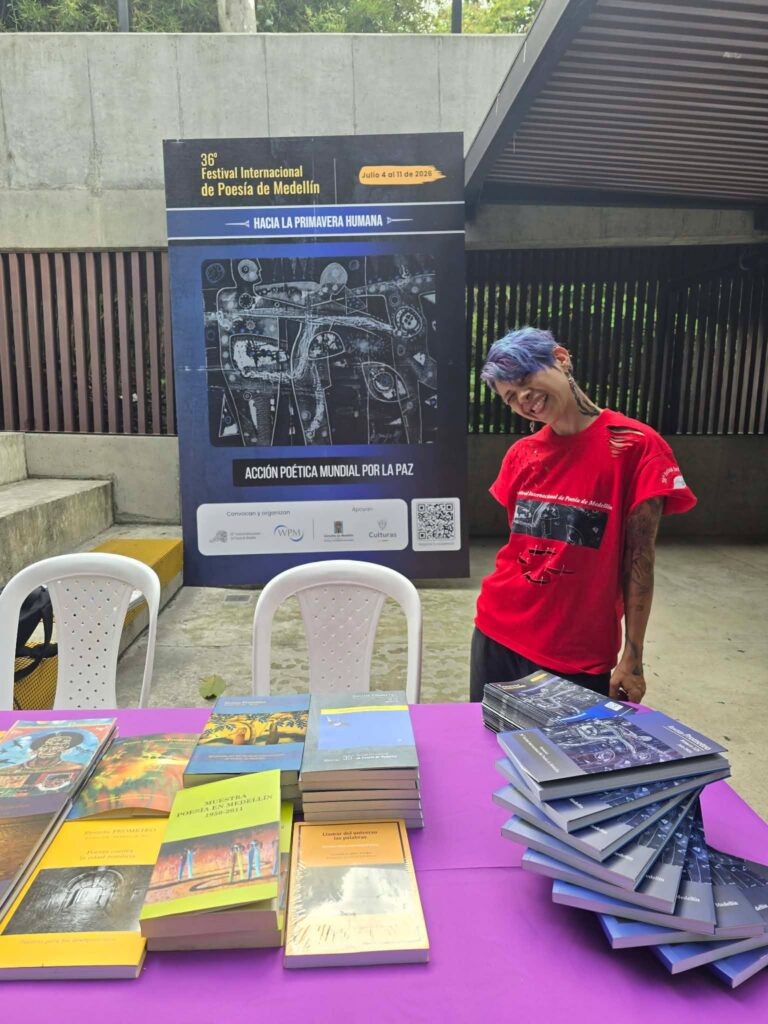
The 36th Medellín International Poetry Festival, held from July 4 to July 11, 2026, carries the theme:
“A Call for the Human Spring.”
This theme signals both urgency and hope. In a world marked by conflict, displacement, ecological destruction, and widespread uncertainty, the festival calls for the renewal of human consciousness through poetry.
The central vision of the 2026 festival is the reconstruction of the human spirit. Poetry is presented not only as artistic expression but as a vital force capable of restoring empathy, peace, and collective hope.
The timing of this message feels especially significant. Just days before the festival, twin earthquakes struck northern Venezuela on June 24, 2026, causing devastating loss of life and displacing tens of thousands of people. The tragedy has intensified regional awareness of human vulnerability and the urgent need for solidarity across borders.
Against this backdrop, the Medellín festival becomes a symbolic gathering for healing and renewal. Poets from across the world are invited not only to read poems, but to help imagine a future grounded in compassion, dignity, and peace.
The 2026 program emphasizes:
- Poetry readings centered on peace and reconciliation
- Dialogues on global conflict and humanitarian responsibility
- Cultural solidarity across nations and communities
- The restoration of hope through artistic expression
This year’s focus suggests a movement beyond protest alone. While the festival continues to speak against violence and injustice, it also asks a deeper question: How can humanity rebuild itself?
From Protest to Renewal
Taken together, the 2025 and 2026 editions reveal a powerful progression in the spirit of the Medellín International Poetry Festival.
In 2025, poetry stood firmly as resistance—speaking against war, genocide, and oppression. Poets raised their voices in solidarity with Palestine and asserted the moral responsibility of literature in times of crisis.
In 2026, the focus expands toward reconstruction and healing. The call is no longer only to resist destruction, but to actively restore the human spirit.
This evolution reflects the enduring power of poetry. Poetry does not end wars or reverse disasters overnight. Yet it preserves memory, awakens conscience, and sustains hope when despair threatens to dominate.
The Medellín International Poetry Festival continues to affirm that poetry matters because humanity matters. In times of darkness, poetry remains a necessary light, one capable of helping rebuild both individual souls and collective futures.
In Medellín, poetry continues to serve as both witness and prophecy: a voice against suffering, and a call toward a more humane world.
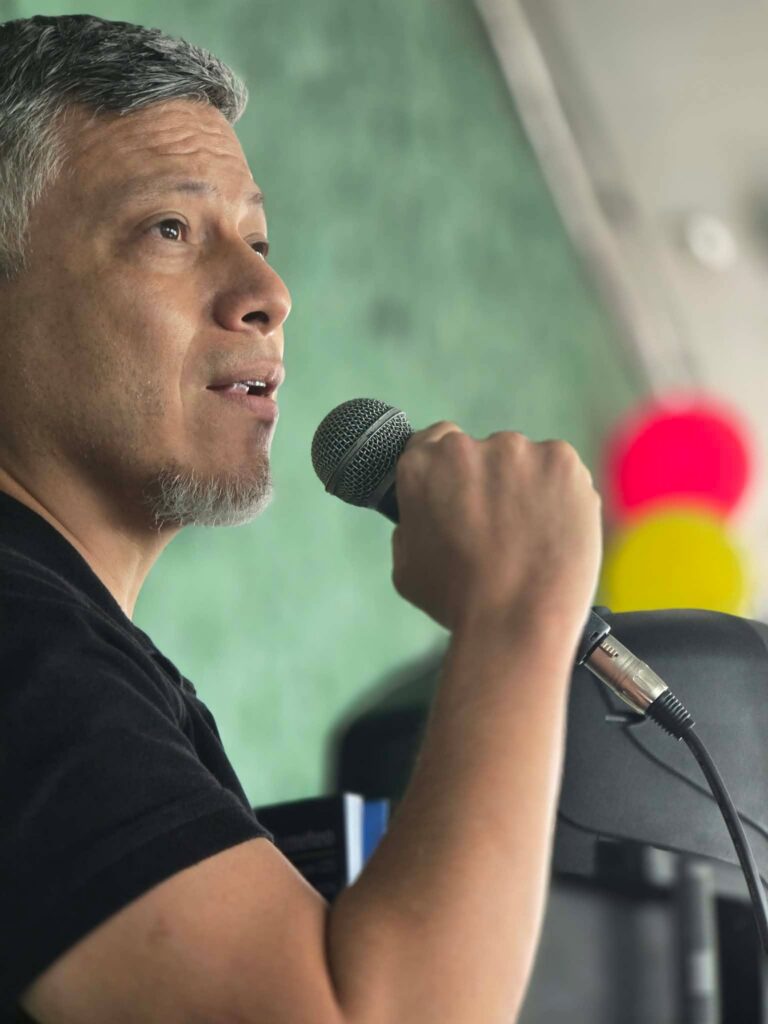
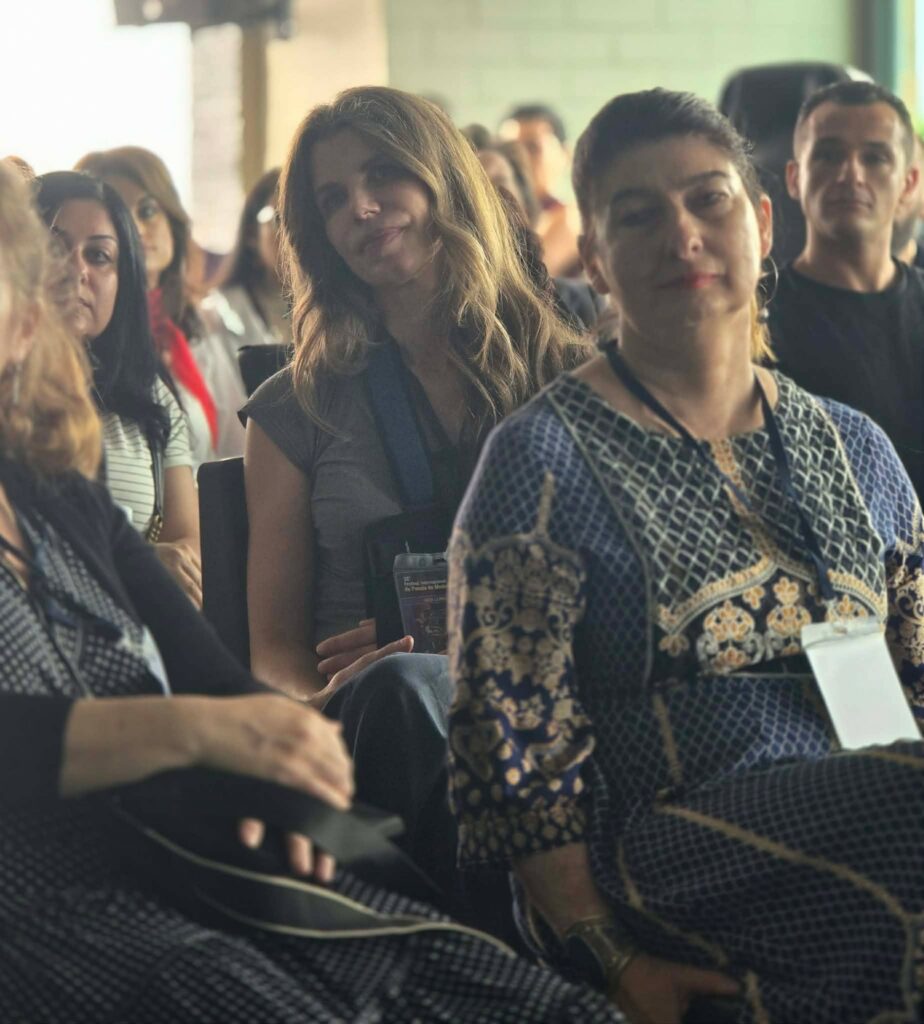
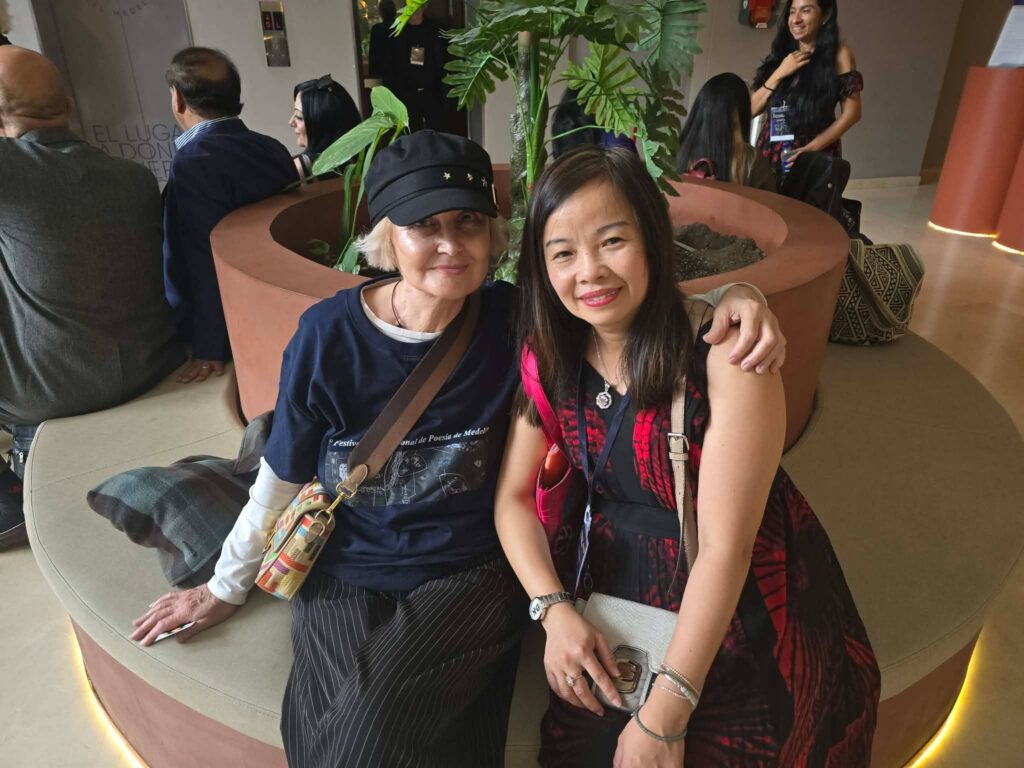
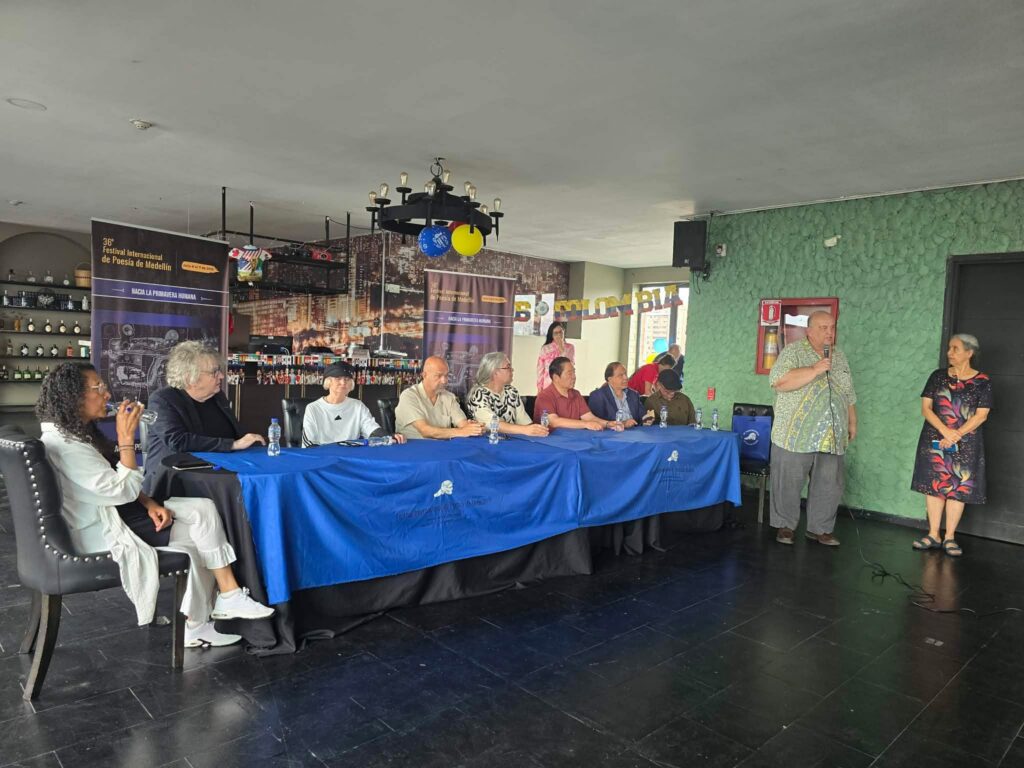
DAY 1 MEETING AND READING- 2026 FESTIVAL
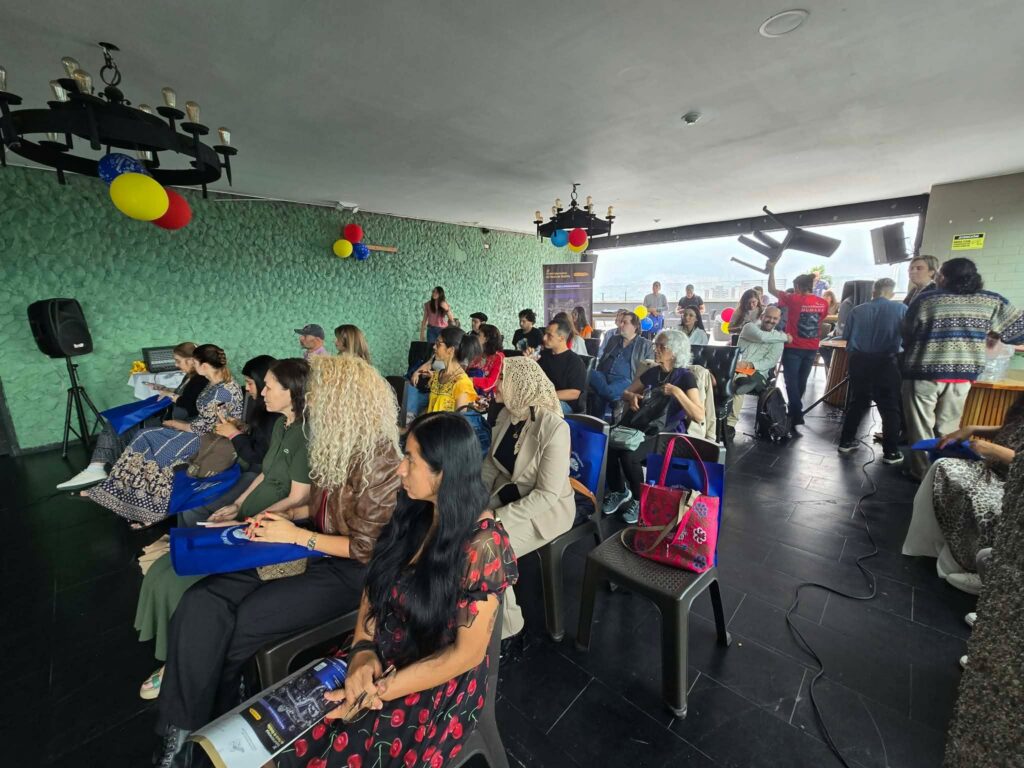
During the gathering, poets reflected on the quiet yet profound power of literature to restore human connection in a fractured world. One speaker shared a moving story about acknowledging a homeless person with a simple greeting, describing how the brief exchange became a reminder that every individual deserves to be seen. The reflection led to a broader discussion of poetry as an act of recognition and compassion. Several participants spoke of poetry as a force that had sustained them through personal struggles, while translators emphasized their months of careful work to bring each poet’s voice faithfully into Spanish. Throughout the session, delegates from across five continents expressed gratitude for the opportunity to meet in Medellín, describing the festival as a place where dialogue, solidarity, and shared artistic expression can flourish despite the challenges facing the world today.
Festival founders reflected on the event’s origins, recalling how poetry emerged as a response to fear during some of Medellín’s most difficult years. They described listening to the city, its people, and even nature as the foundation of poetry’s ability to give voice to hope and transformation. Organizers also acknowledged the growing challenges facing the festival, saying that public support has declined and warning that its future may depend increasingly on international solidarity. Despite these pressures, they reaffirmed their commitment to keeping the festival alive, stressing that poetry remains essential to dialogue, peace, and the defence of human dignity. They also expressed solidarity with people affected by conflict around the world, including those in Gaza, emphasizing the festival’s enduring commitment to peace and justice.
The gathering in Medellín demonstrated why it has earned a reputation as the world’s largest festival of its kind. Participants from many countries came together not only to celebrate culture and friendship, but also to represent their nations with pride and to help carry a message of peace across borders.
The festival’s organisers do far more than create a memorable event for visitors. Through continuous effort and international outreach, they ensure that the call for peace, happiness, and mutual understanding is heard throughout July and beyond, reaching communities in every corner of the world. This clear, powerful, and consistent message is what makes the Medellín festival truly exceptional.
Its unique spirit deserves to be preserved and strengthened through ongoing support from governments, institutions, and organisations, as few events have succeeded in promoting peace and global connection with such lasting impact.
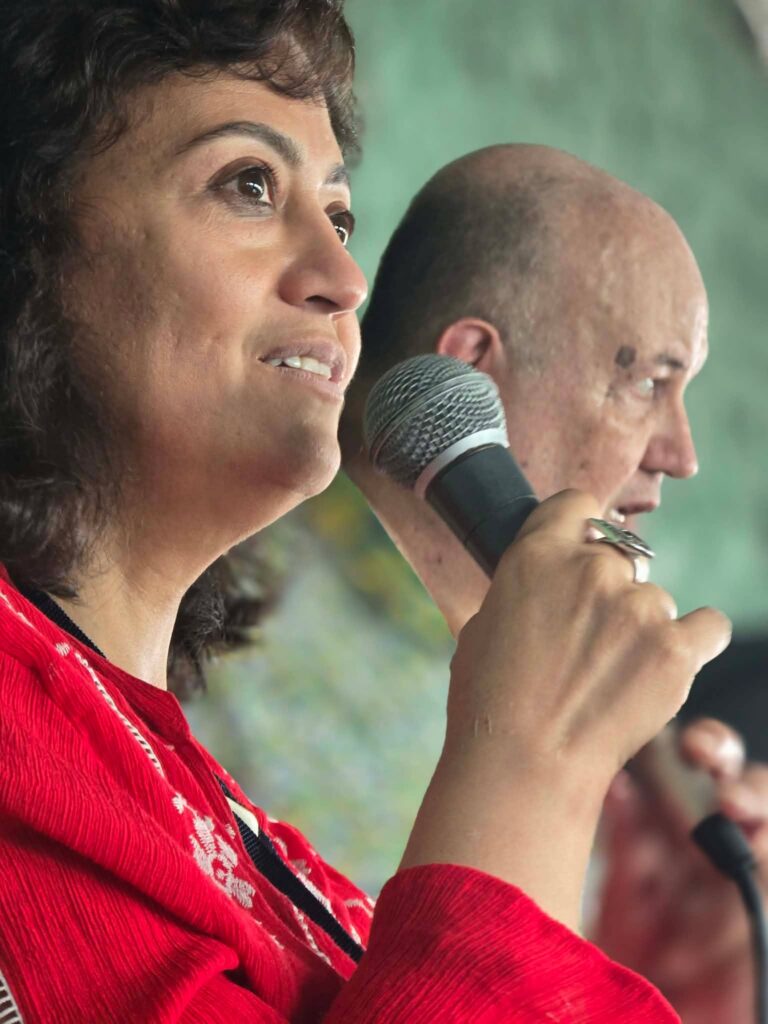
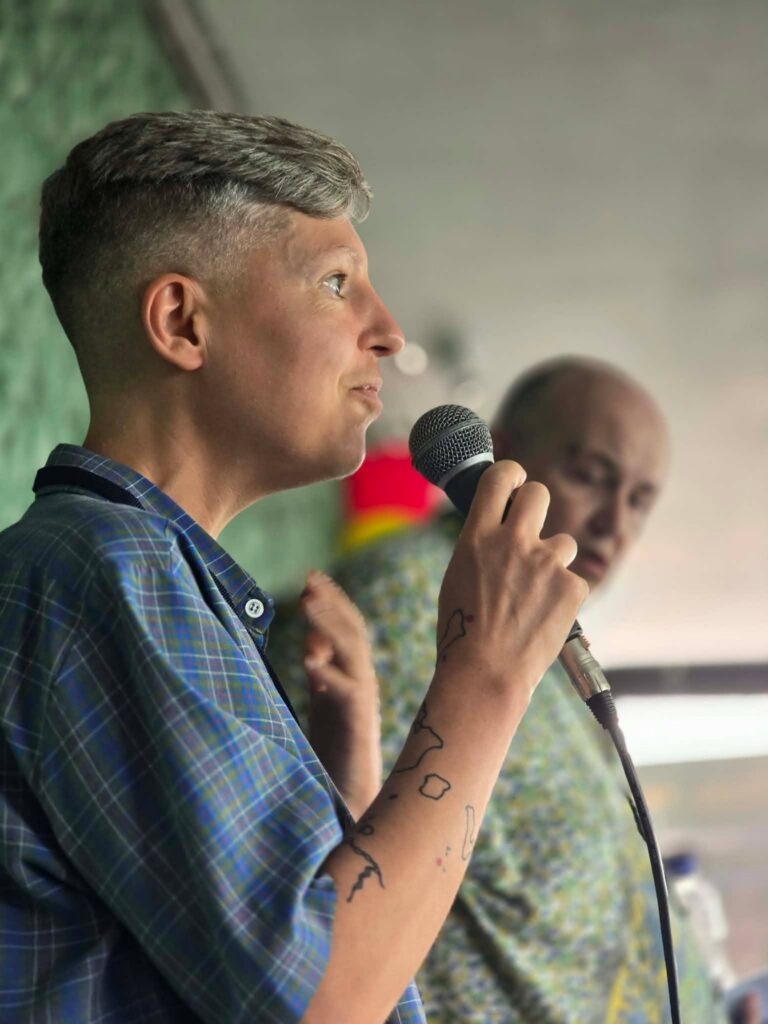
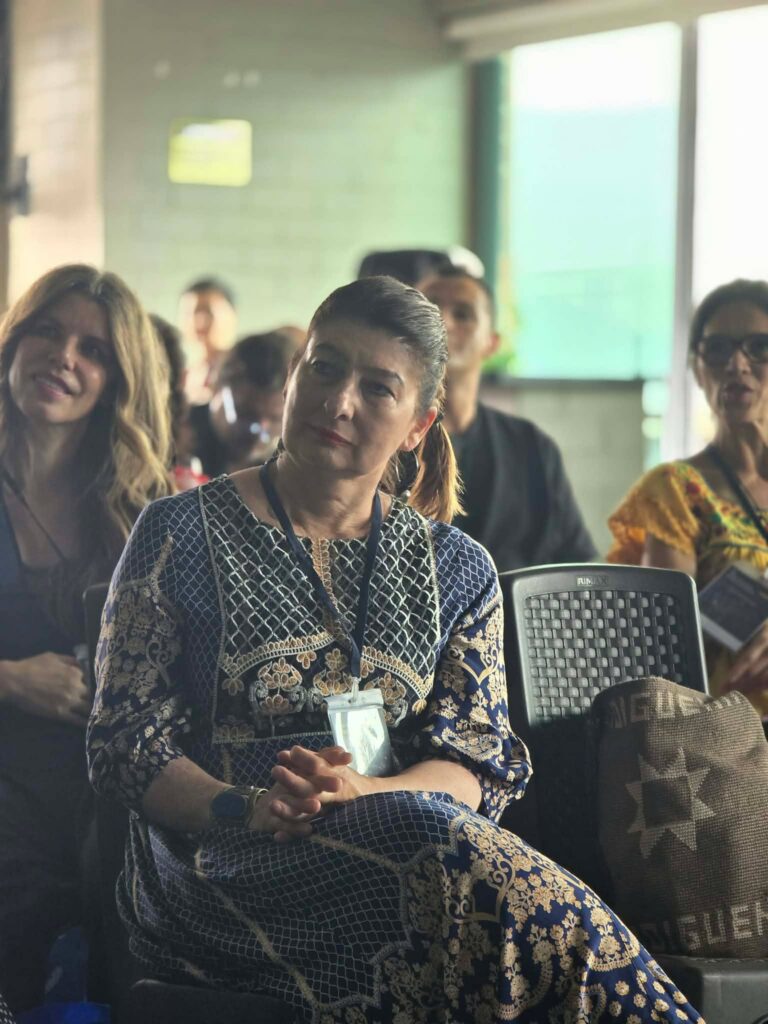
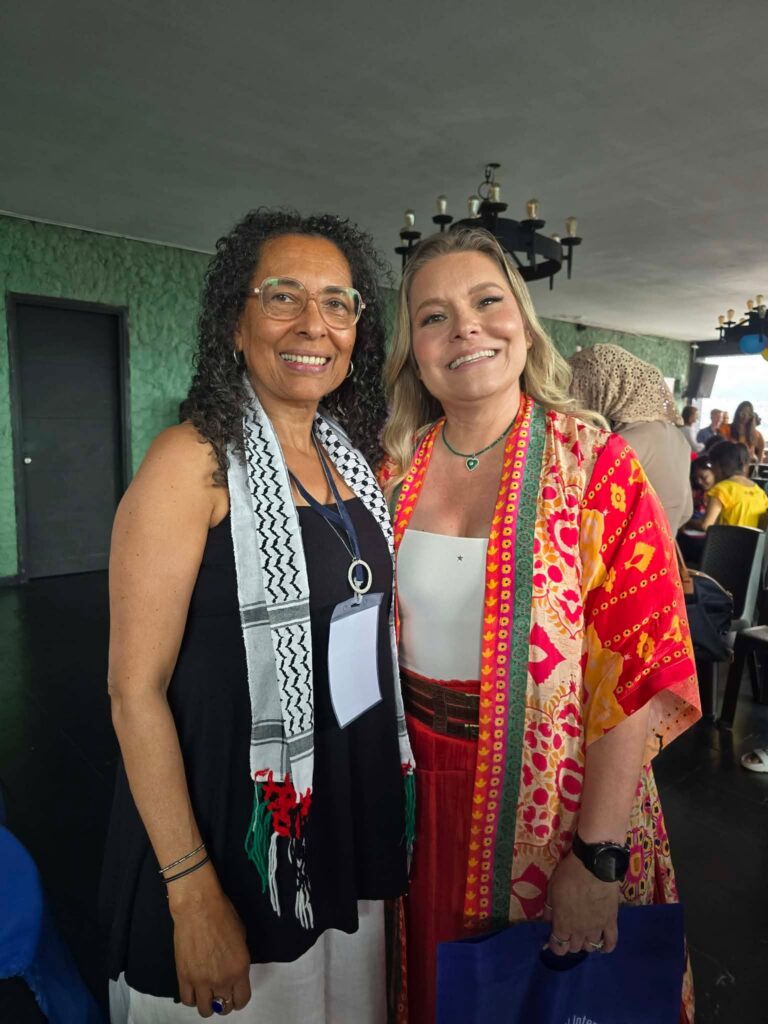
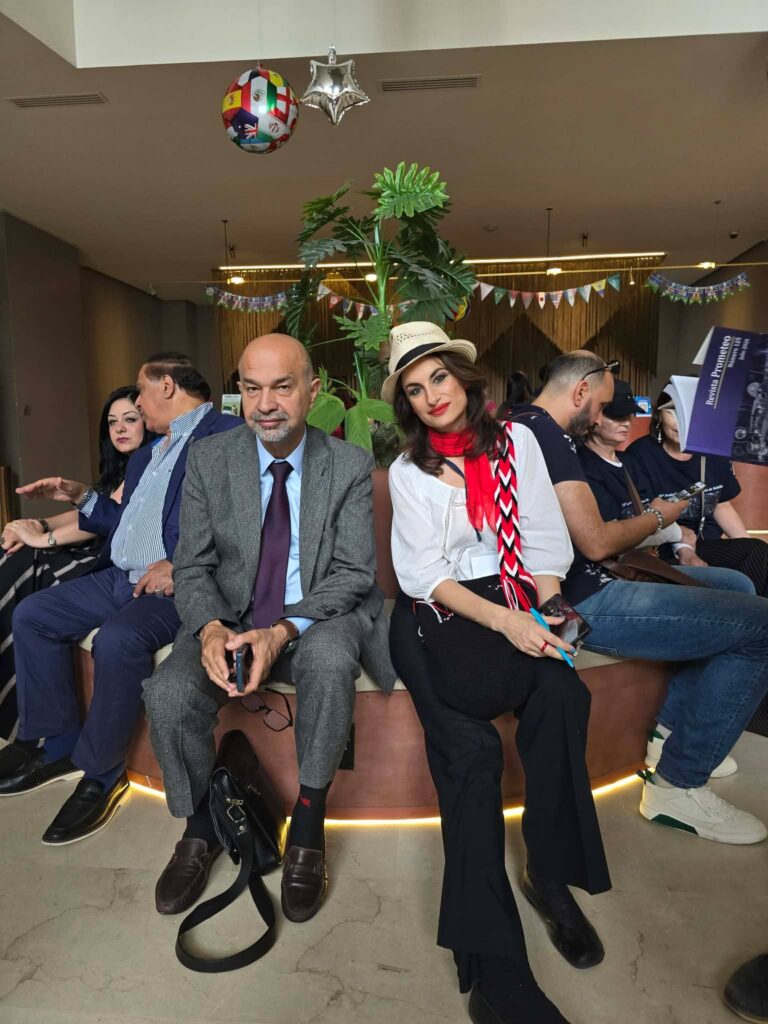
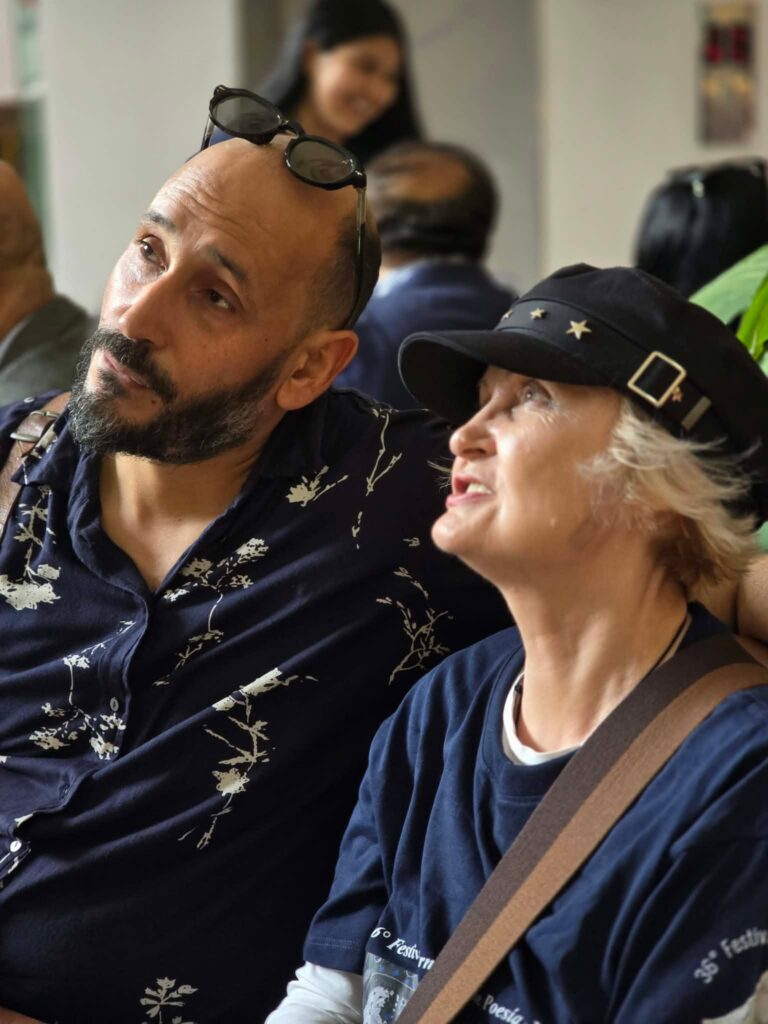
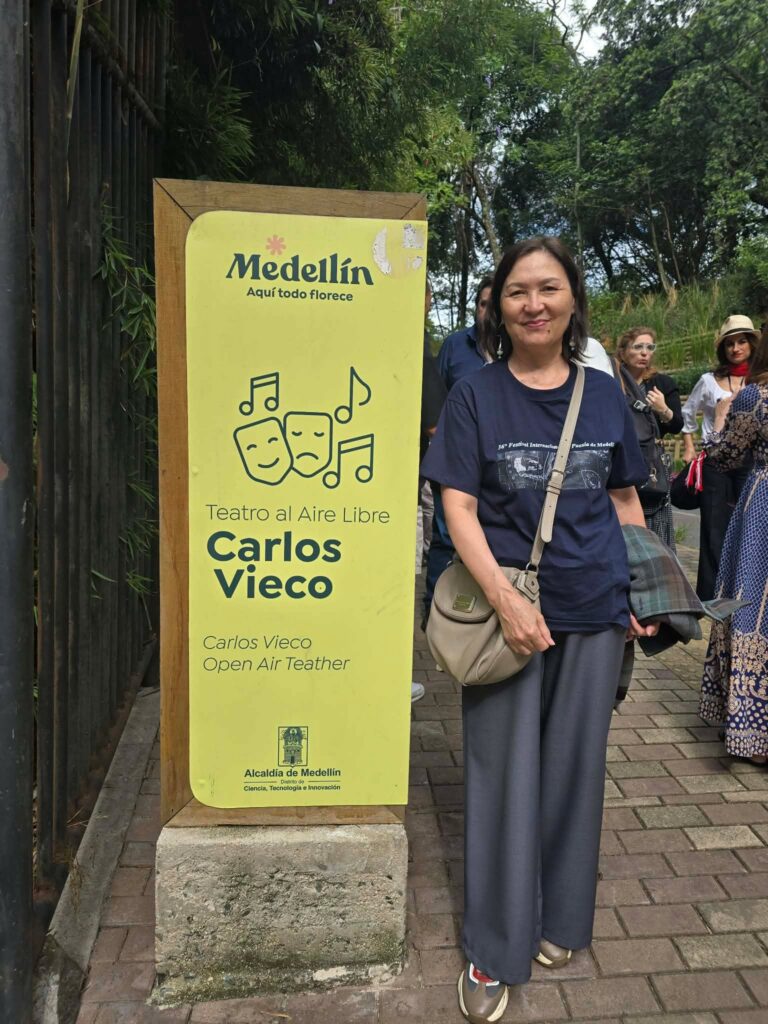
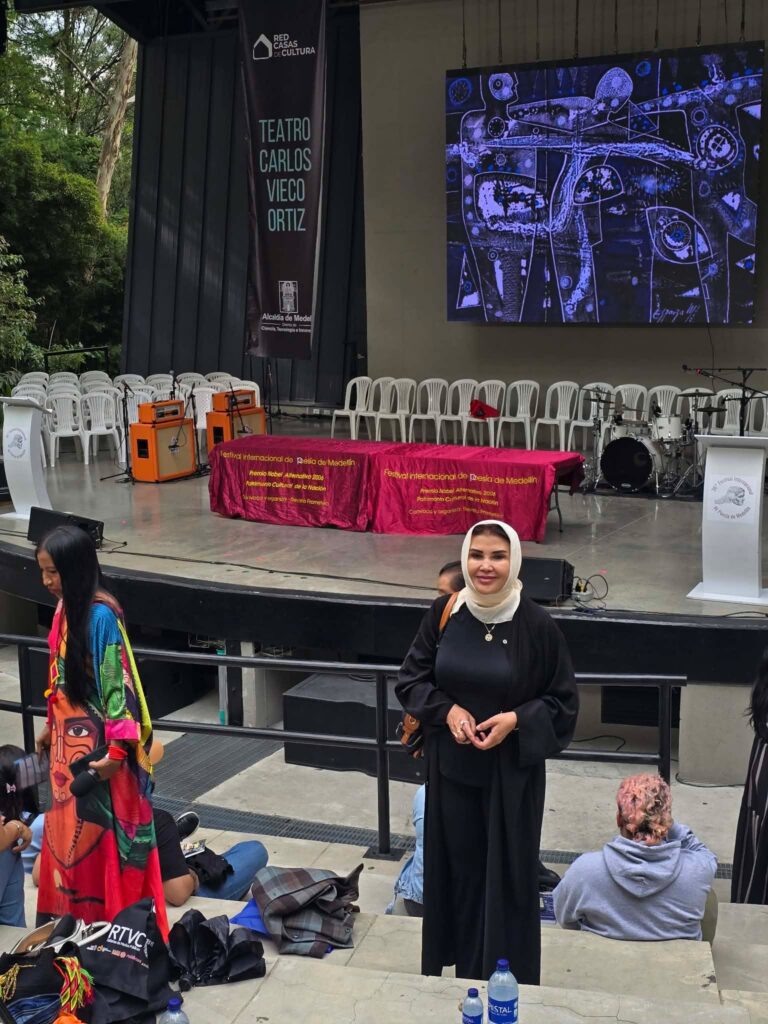
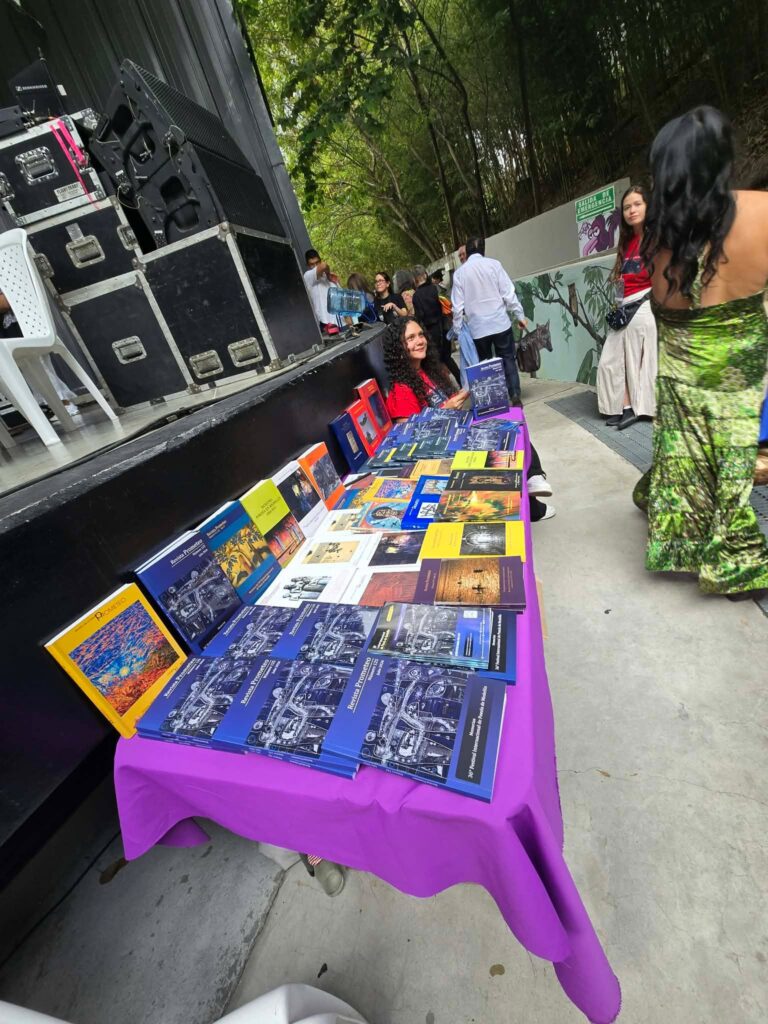
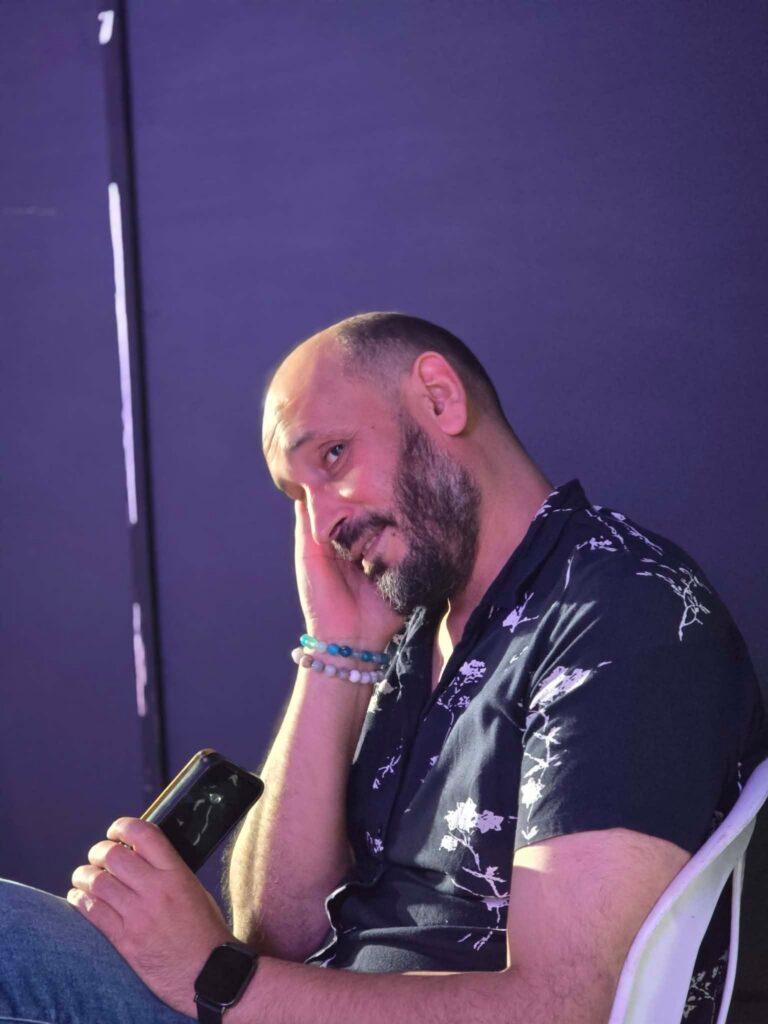
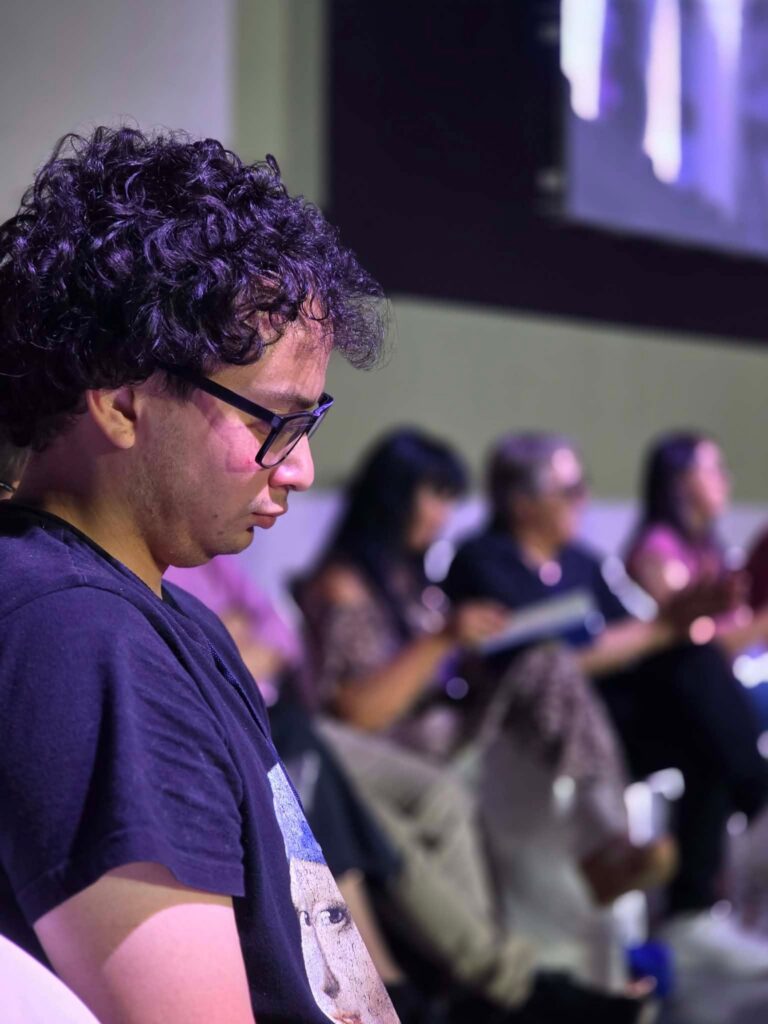
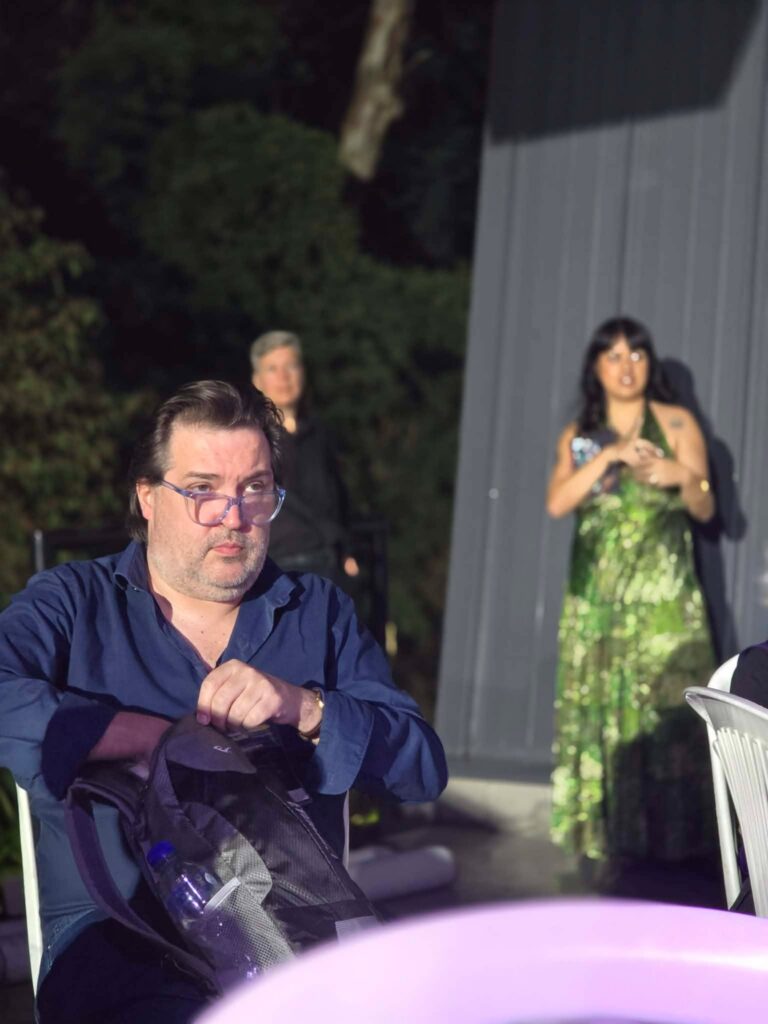
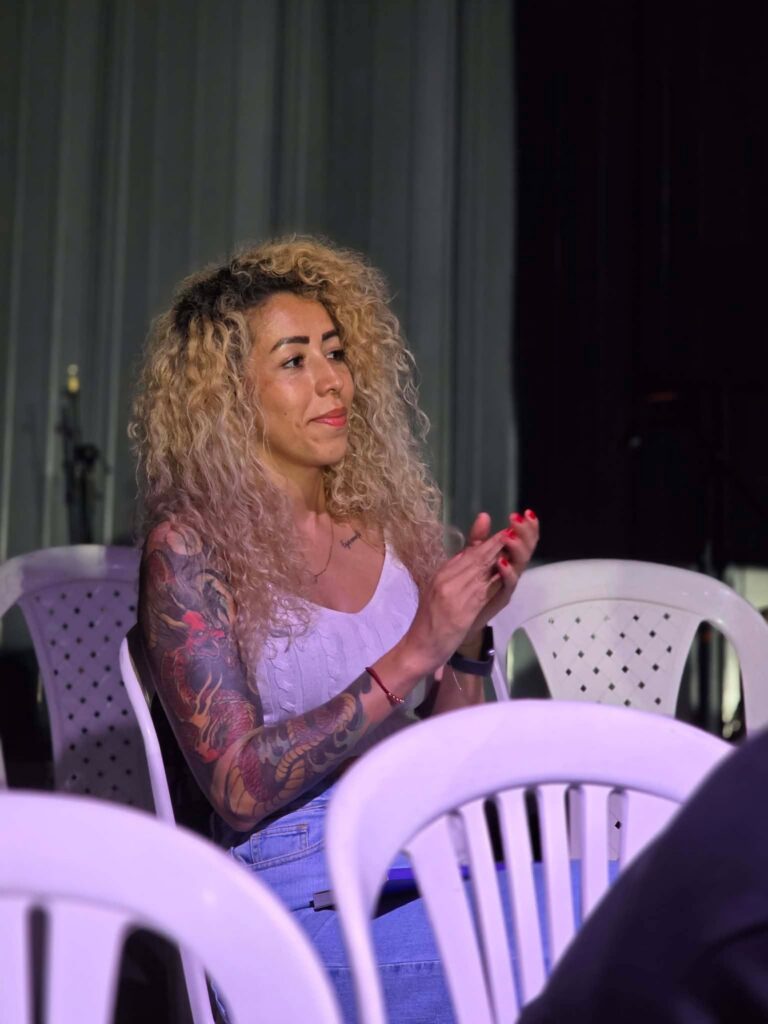
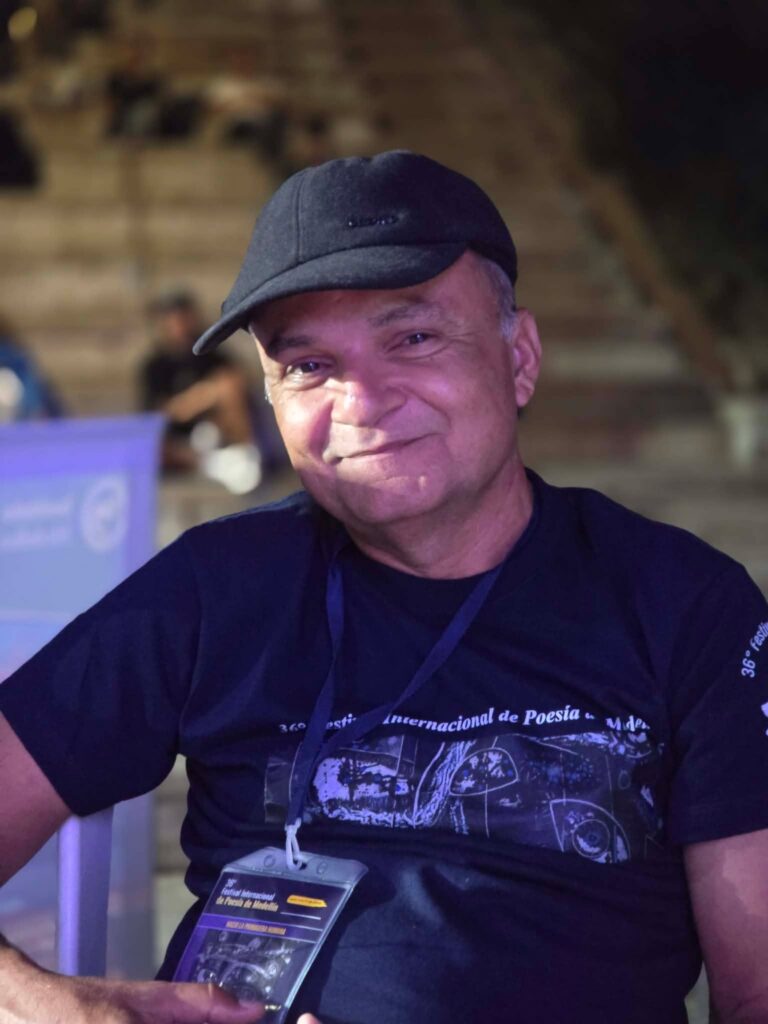
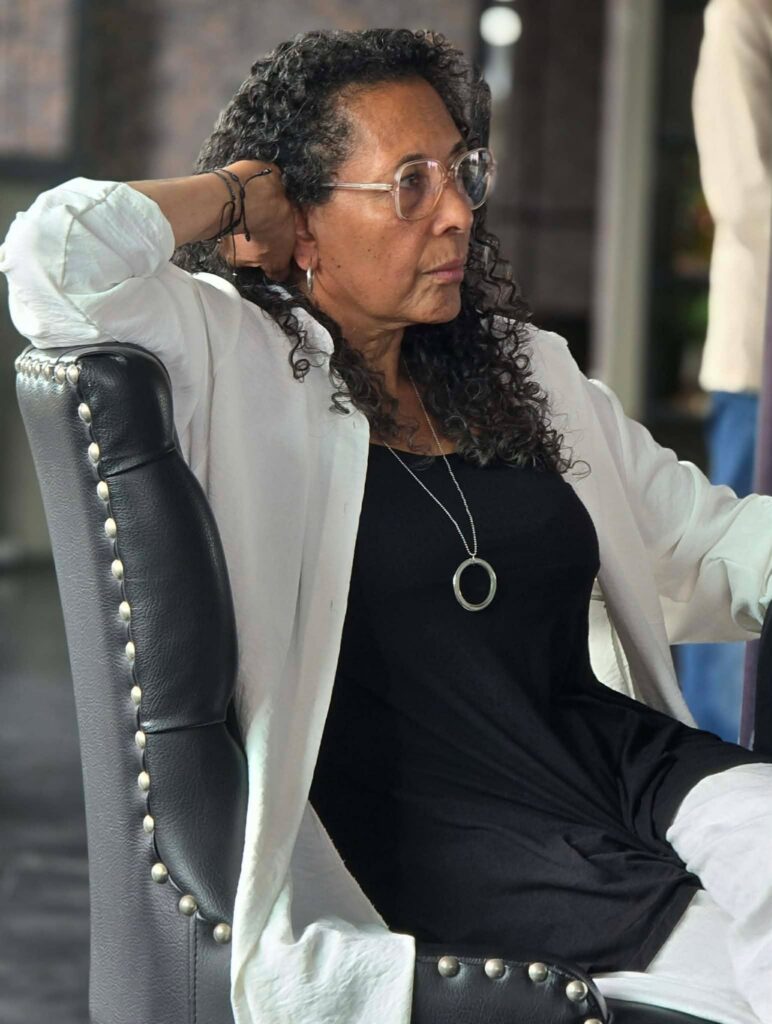
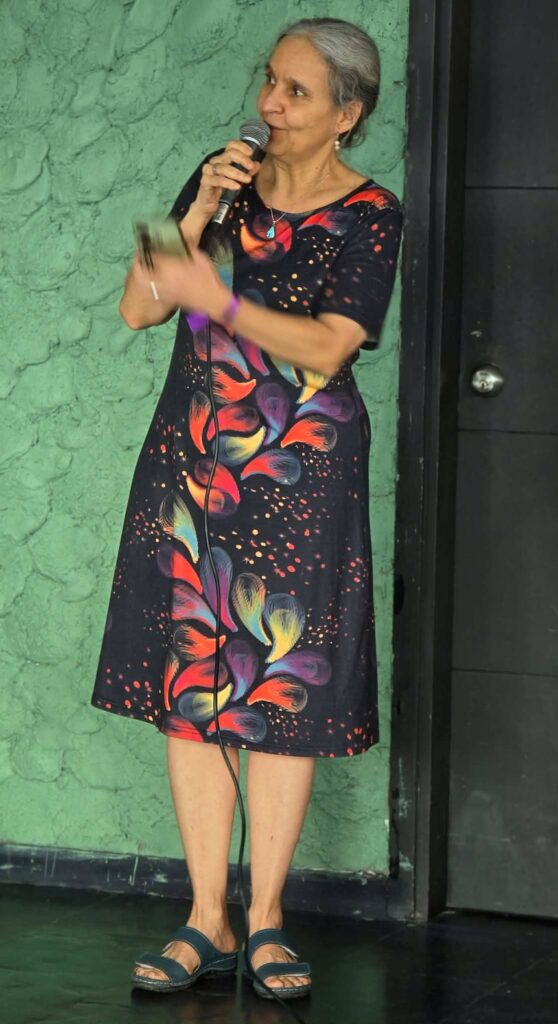
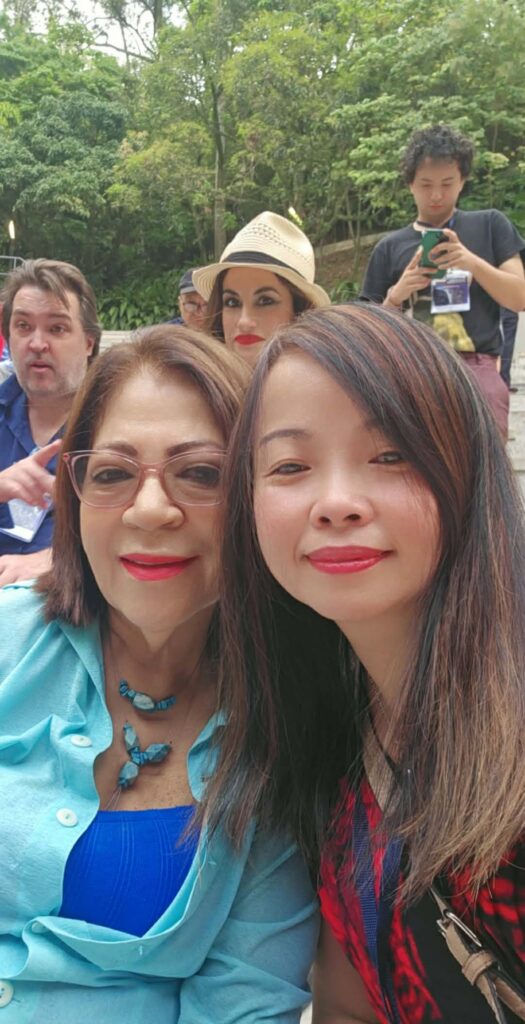
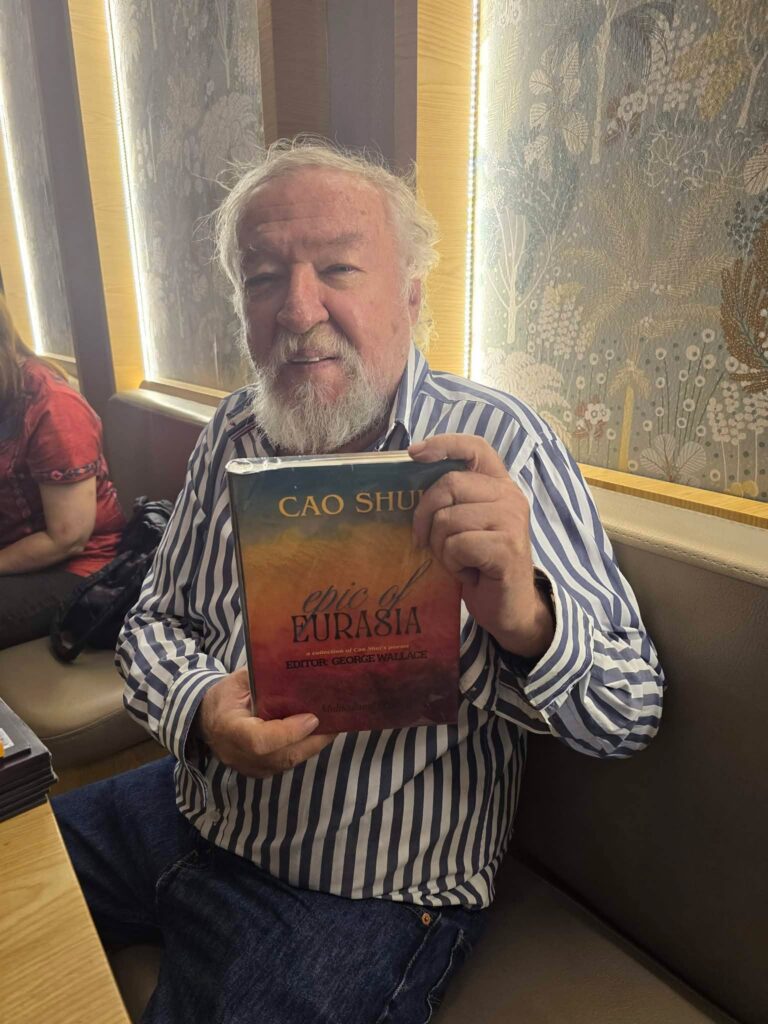
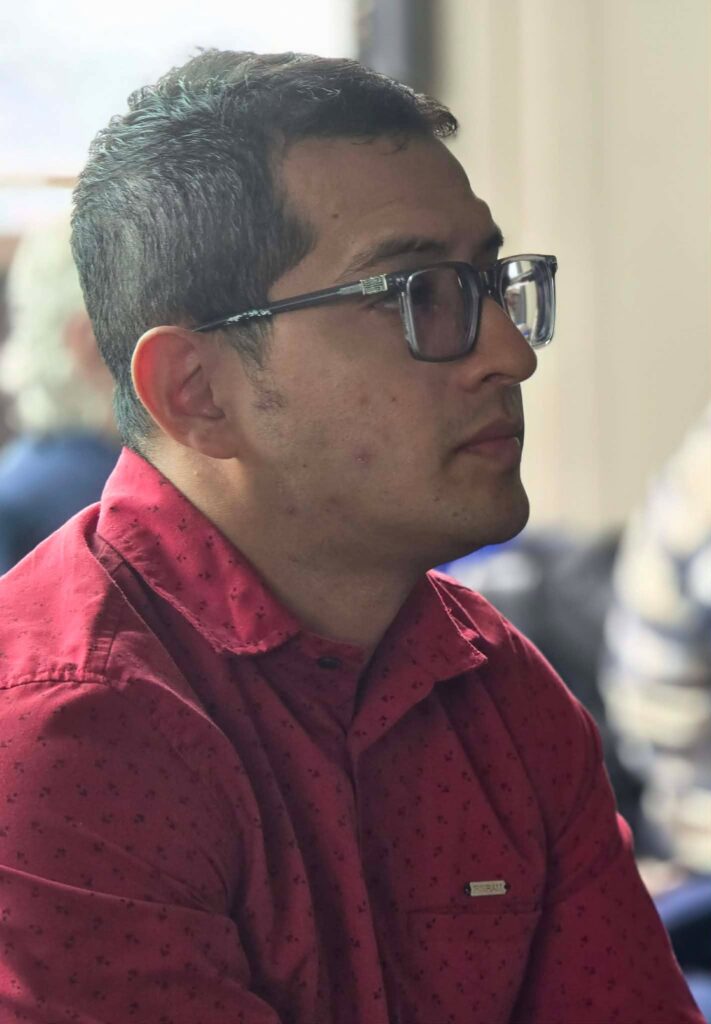
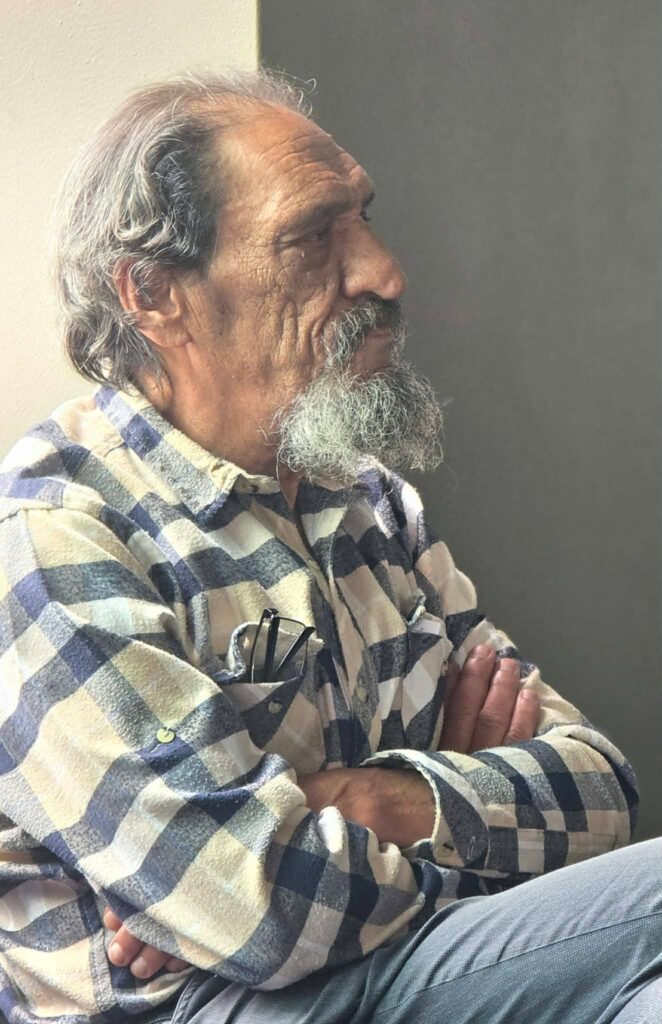
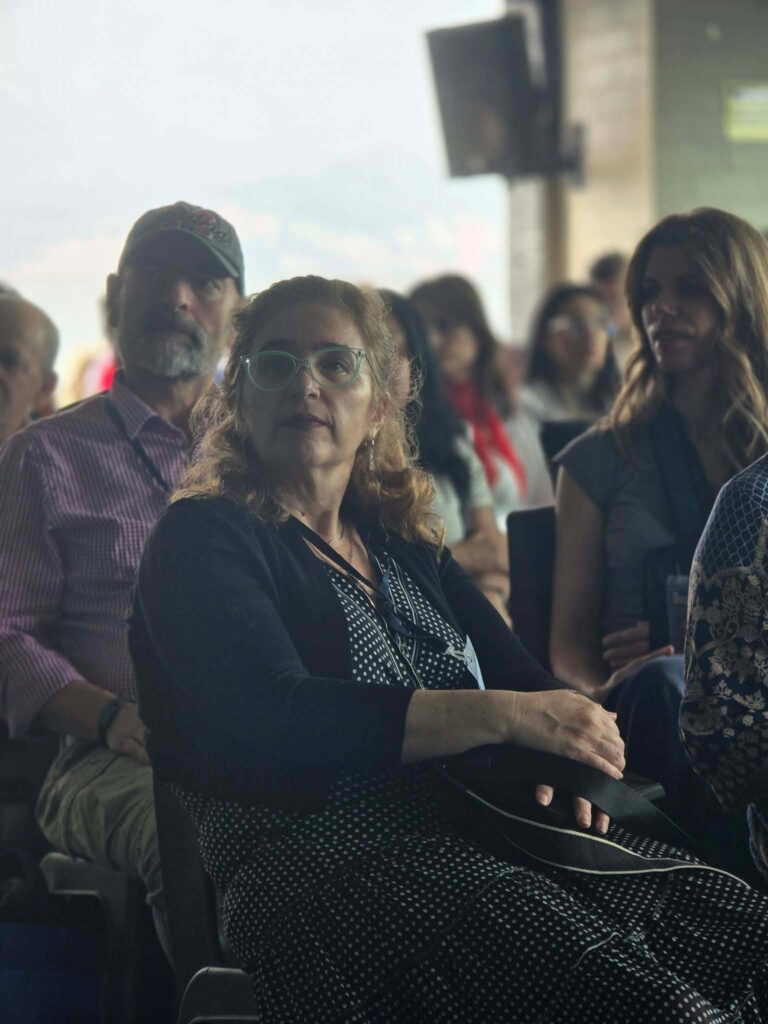
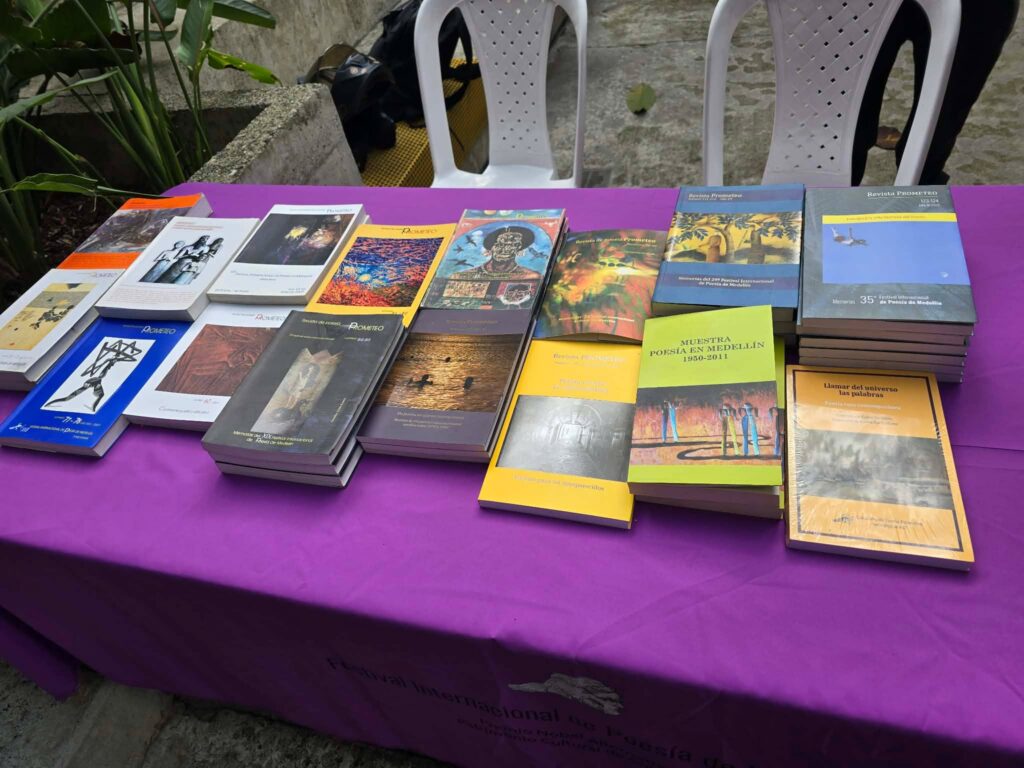
some snapshots:


Gracias Medellín
Gracias por el encuentro, por la poesía, por la
paz.
Gracias Medellín