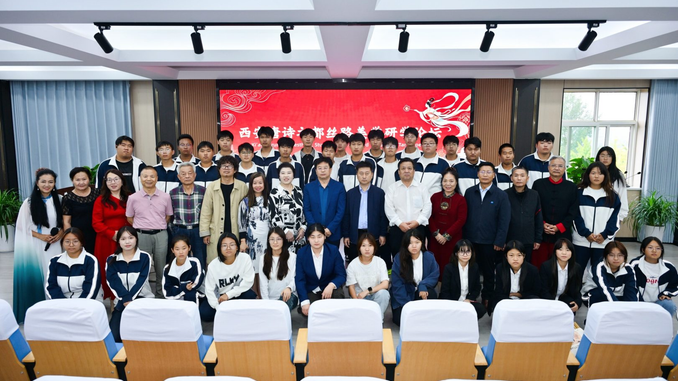
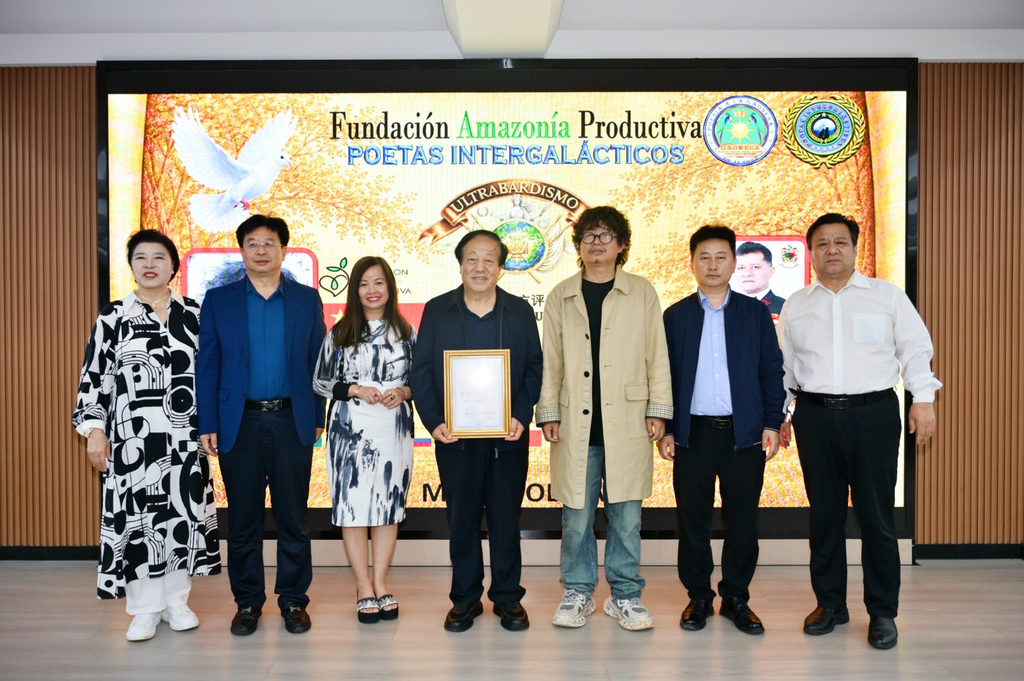
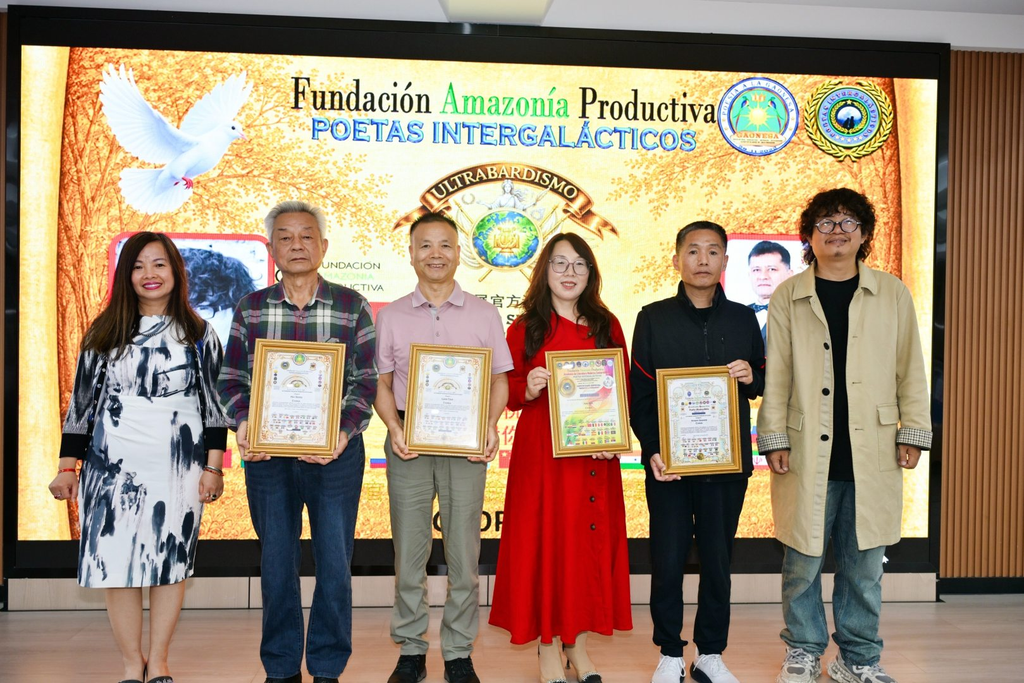
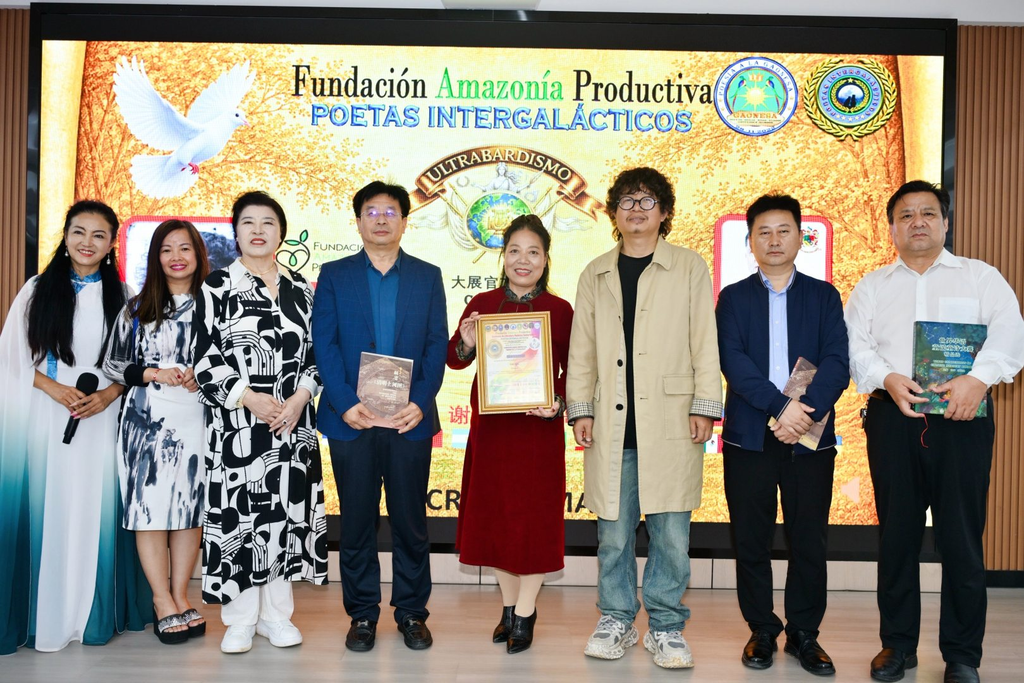
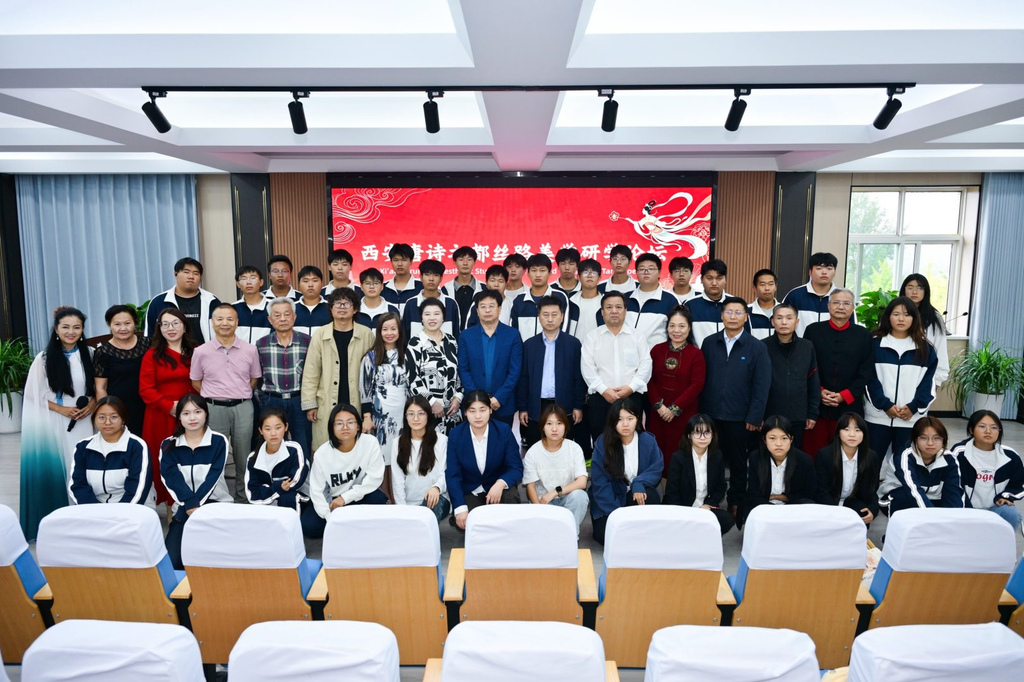
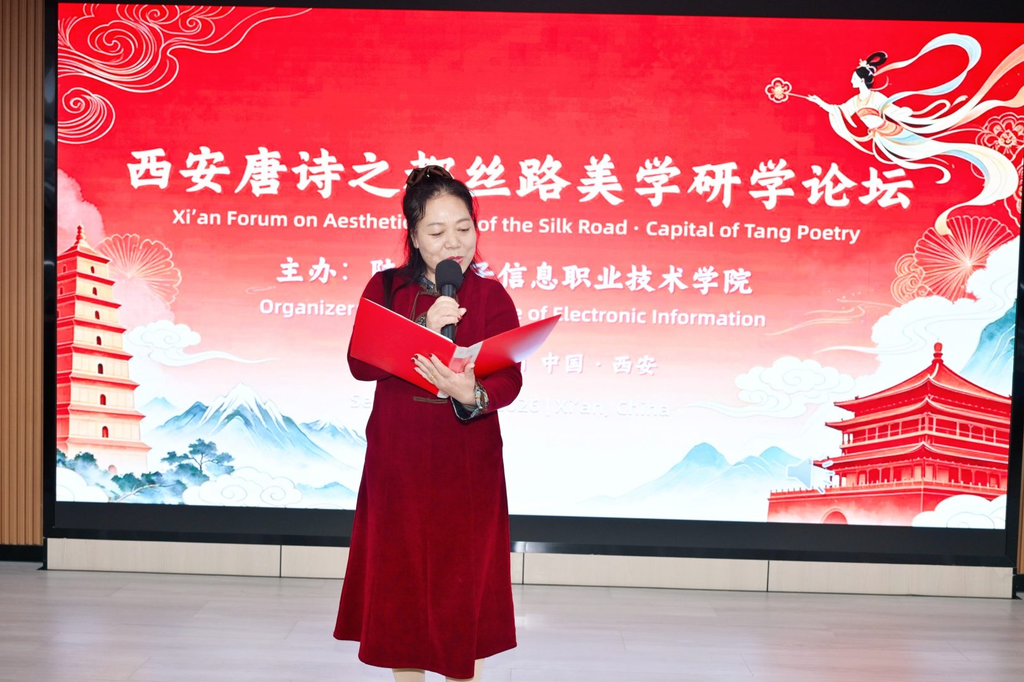
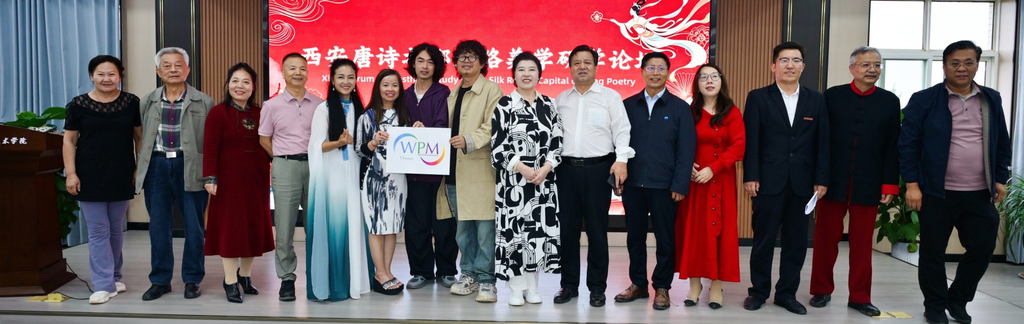
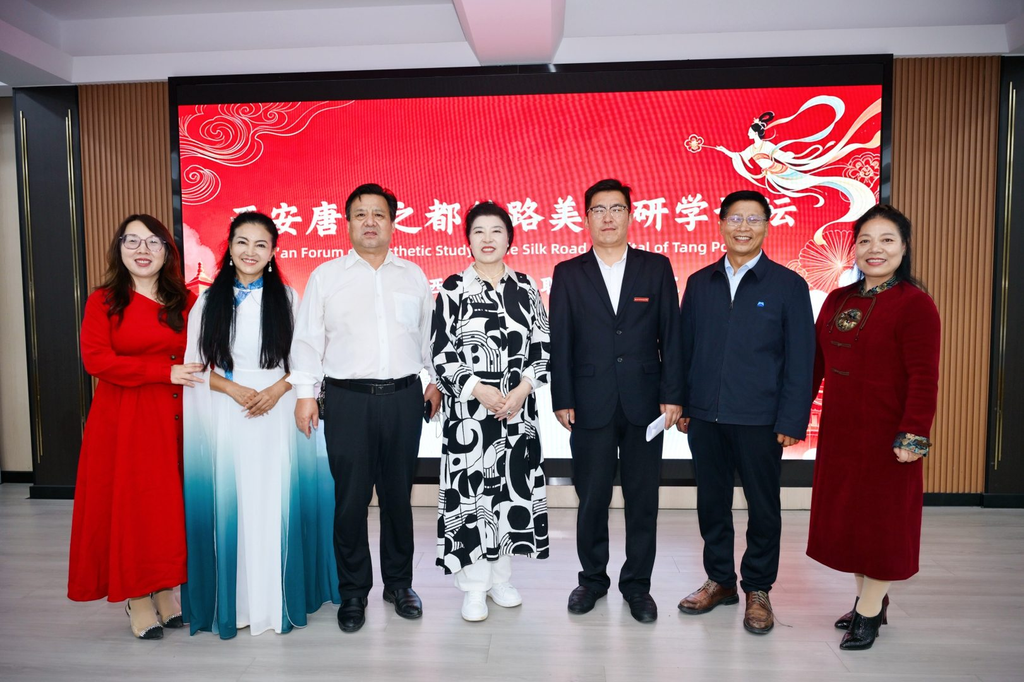
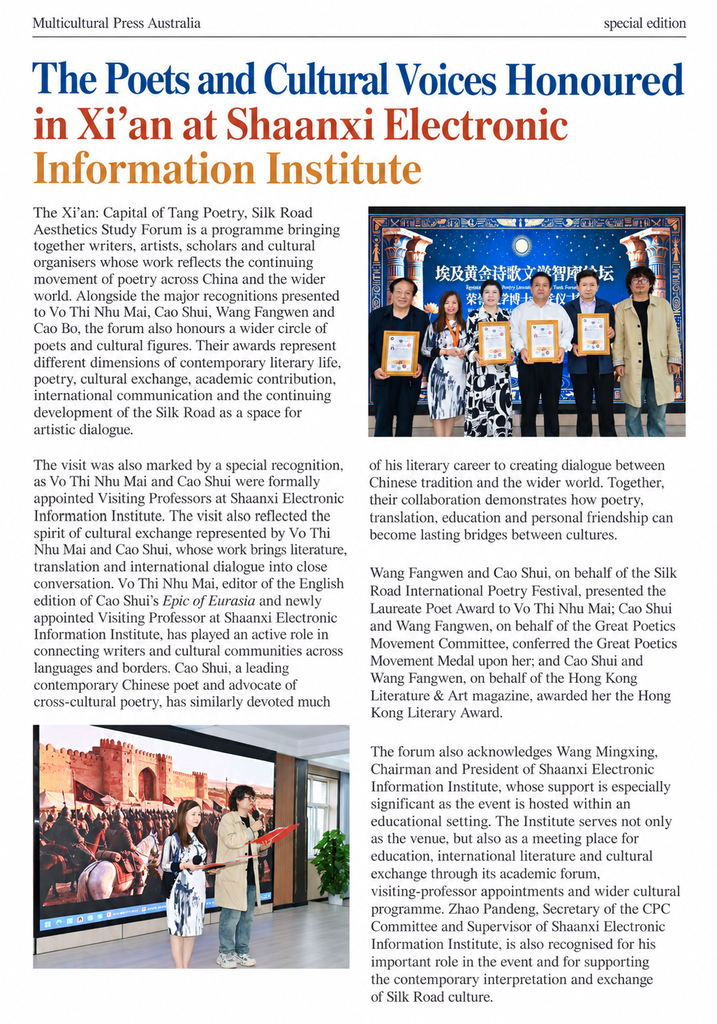
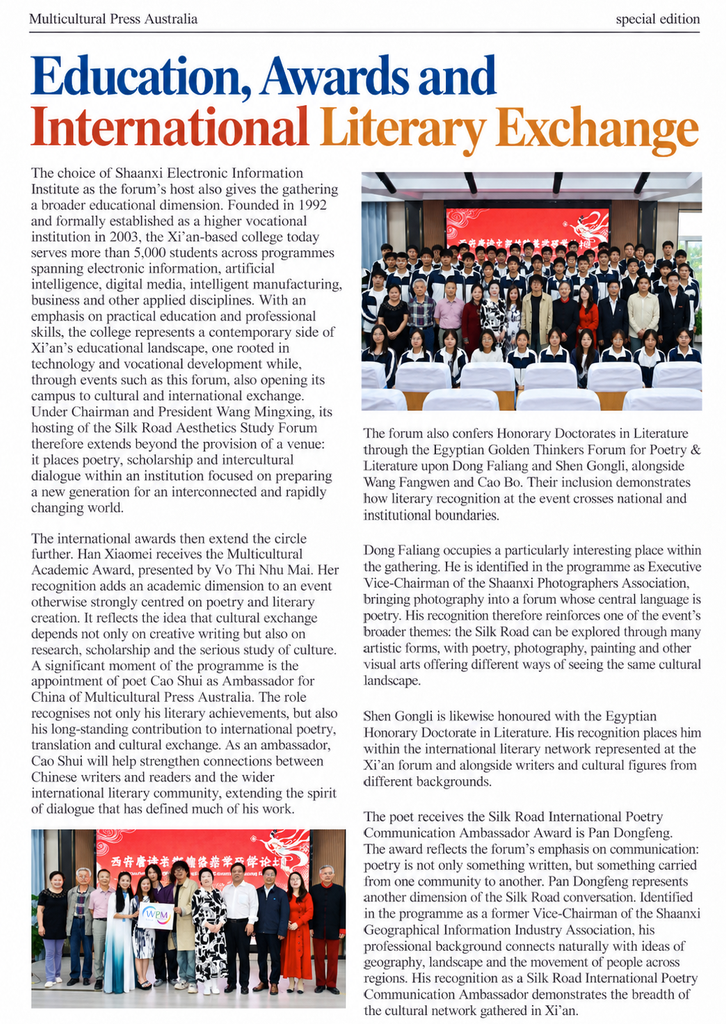
The Xi’an: Capital of Tang Poetry, Silk Road Aesthetics Study Forum is a programme bringing together writers, artists, scholars and cultural organisers whose work reflects the continuing movement of poetry across China and the wider world. Alongside the major recognitions presented to Vo Thi Nhu Mai, Cao Shui, Wang Fangwen and Cao Bo, the forum also honours a wider circle of poets and cultural figures. Their awards represent different dimensions of contemporary literary life, poetry, cultural exchange, academic contribution, international communication and the continuing development of the Silk Road as a space for artistic dialogue.
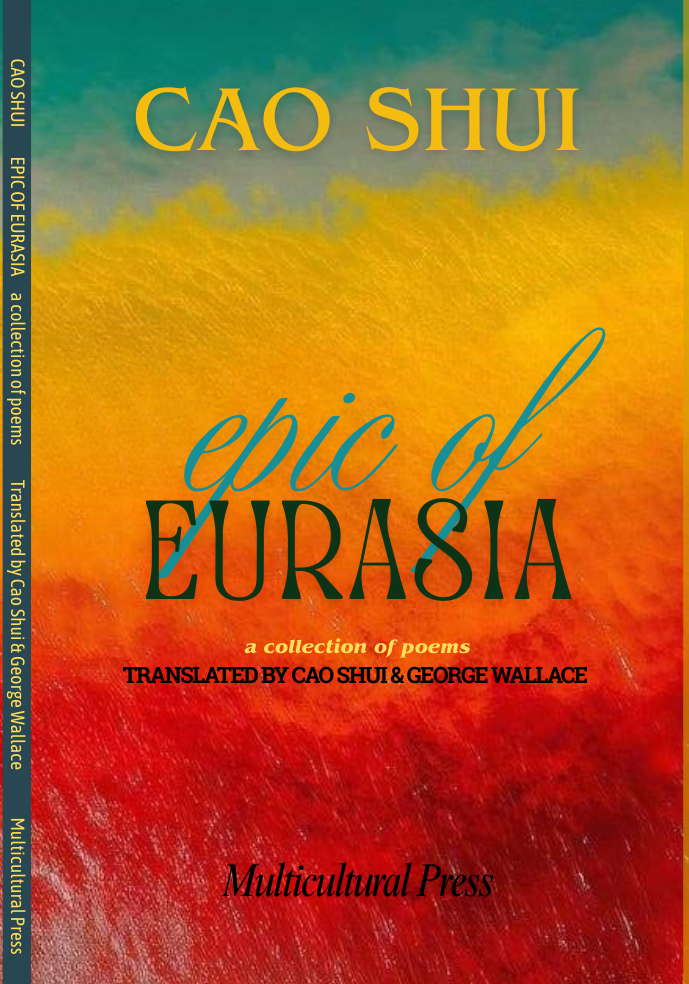
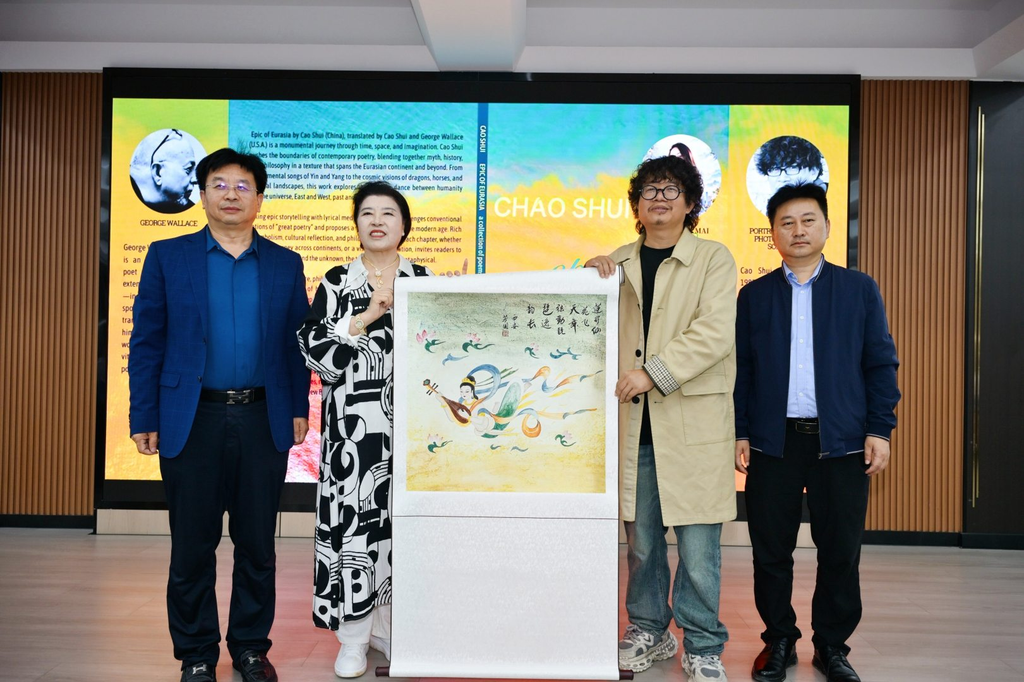
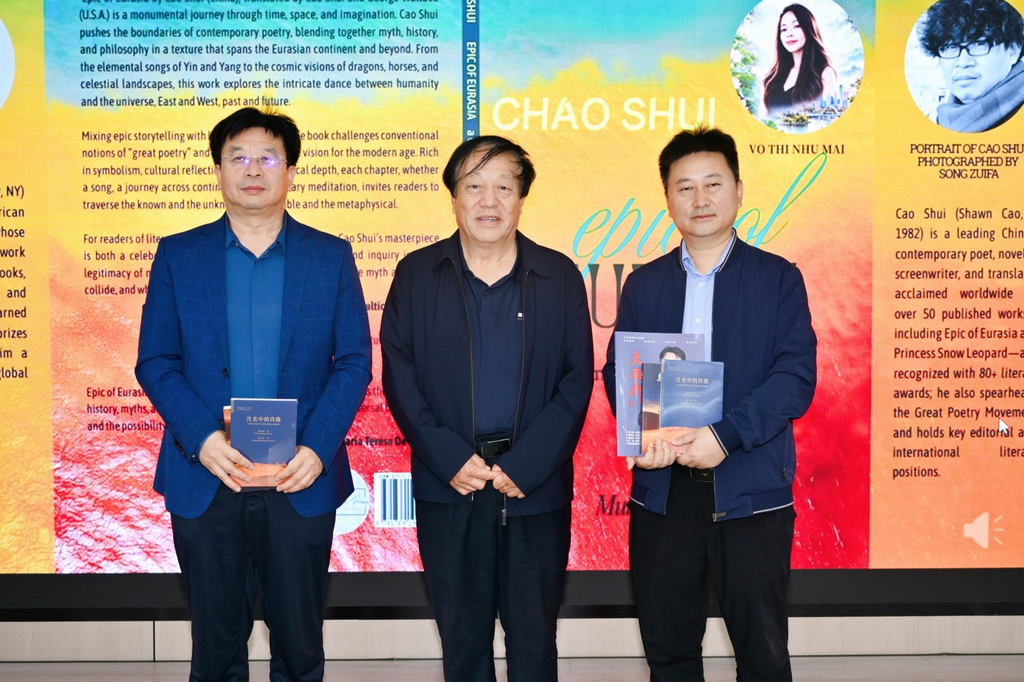
The visit was also marked by a special recognition, as Vo Thi Nhu Mai and Cao Shui were formally appointed Visiting Professors at Shaanxi Electronic Information Institute. The visit also reflected the spirit of cultural exchange represented by Vo Thi Nhu Mai and Cao Shui, whose work brings literature, translation and international dialogue into close conversation. Vo Thi Nhu Mai, editor of the English edition of Cao Shui’s Epic of Eurasia and newly appointed Visiting Professor at Shaanxi Electronic Information Institute, has played an active role in connecting writers and cultural communities across languages and borders. Cao Shui, a leading contemporary Chinese poet and advocate of cross-cultural poetry, has similarly devoted much of his literary career to creating dialogue between Chinese tradition and the wider world. Together, their collaboration demonstrates how poetry, translation, education and personal friendship can become lasting bridges between cultures.
Wang Fangwen and Cao Shui, on behalf of the Silk Road International Poetry Festival, presented the Laureate Poet Award to Vo Thi Nhu Mai; Cao Shui and Wang Fangwen, on behalf of the Great Poetics Movement Committee, conferred the Great Poetics Movement Medal upon her; and Cao Shui and Wang Fangwen, on behalf of the Hong Kong Literature & Art magazine, awarded her the Hong Kong Literary Award.
The forum also acknowledges Wang Mingxing, Chairman and President of Shaanxi Electronic Information Institute, whose support is especially significant as the event is hosted within an educational setting. The Institute serves not only as the venue, but also as a meeting place for education, international literature and cultural exchange through its academic forum, visiting-professor appointments and wider cultural programme. Zhao Pandeng, Secretary of the CPC Committee and Supervisor of Shaanxi Electronic Information Institute, is also recognised for his important role in the event and for supporting the contemporary interpretation and exchange of Silk Road culture.
The choice of Shaanxi Electronic Information Institute as the forum’s host also gives the gathering a broader educational dimension. Founded in 1992 and formally established as a higher vocational institution in 2003, the Xi’an-based college today serves more than 5,000 students across programmes spanning electronic information, artificial intelligence, digital media, intelligent manufacturing, business and other applied disciplines. With an emphasis on practical education and professional skills, the college represents a contemporary side of Xi’an’s educational landscape, one rooted in technology and vocational development while, through events such as this forum, also opening its campus to cultural and international exchange. Under Chairman and President Wang Mingxing, its hosting of the Silk Road Aesthetics Study Forum therefore extends beyond the provision of a venue: it places poetry, scholarship and intercultural dialogue within an institution focused on preparing a new generation for an interconnected and rapidly changing world.
The international awards then extend the circle further. Han Xiaomei receives the Multicultural Academic Award, presented by Vo Thi Nhu Mai. Her recognition adds an academic dimension to an event otherwise strongly centred on poetry and literary creation. It reflects the idea that cultural exchange depends not only on creative writing but also on research, scholarship and the serious study of culture. A significant moment of the programme is the appointment of poet Cao Shui as Ambassador for China of Multicultural Press Australia. The role recognises not only his literary achievements, but also his long-standing contribution to international poetry, translation and cultural exchange. As an ambassador, Cao Shui will help strengthen connections between Chinese writers and readers and the wider international literary community, extending the spirit of dialogue that has defined much of his work.
The forum also confers Honorary Doctorates in Literature through the Egyptian Golden Thinkers Forum for Poetry & Literature upon Dong Faliang and Shen Gongli, alongside Wang Fangwen and Cao Bo. Their inclusion demonstrates how literary recognition at the event crosses national and institutional boundaries.
Dong Faliang occupies a particularly interesting place within the gathering. He is identified in the programme as Executive Vice-Chairman of the Shaanxi Photographers Association, bringing photography into a forum whose central language is poetry. His recognition therefore reinforces one of the event’s broader themes: the Silk Road can be explored through many artistic forms, with poetry, photography, painting and other visual arts offering different ways of seeing the same cultural landscape.
Shen Gongli is likewise honoured with the Egyptian Honorary Doctorate in Literature. His recognition places him within the international literary network represented at the Xi’an forum and alongside writers and cultural figures from different backgrounds.
The poet receives the Silk Road International Poetry Communication Ambassador Award is Pan Dongfeng. The award reflects the forum’s emphasis on communication: poetry is not only something written, but something carried from one community to another. Pan Dongfeng represents another dimension of the Silk Road conversation. Identified in the programme as a former Vice-Chairman of the Shaanxi Geographical Information Industry Association, his professional background connects naturally with ideas of geography, landscape and the movement of people across regions. His recognition as a Silk Road International Poetry Communication Ambassador demonstrates the breadth of the cultural network gathered in Xi’an.
The programme also celebrates a wider community of poets through awards presented by the Intergalactic Poets Organization. Lian Tao, Li Yaguang, Ma Shiqi and Wei Feier are recognised for outstanding Chinese-language works, while Dong Faliang receives an award as one of the year’s leading poets. Yi Ye Hongchen is honoured with the Mother Poetry Prize, and Hai Xia receives a newcomer award while also taking part in the poetry recital. Kongyi Zhangzi receives an international award for outstanding work. Together, these recognitions highlight the diversity of voices represented at the forum, from established writers to emerging poets.
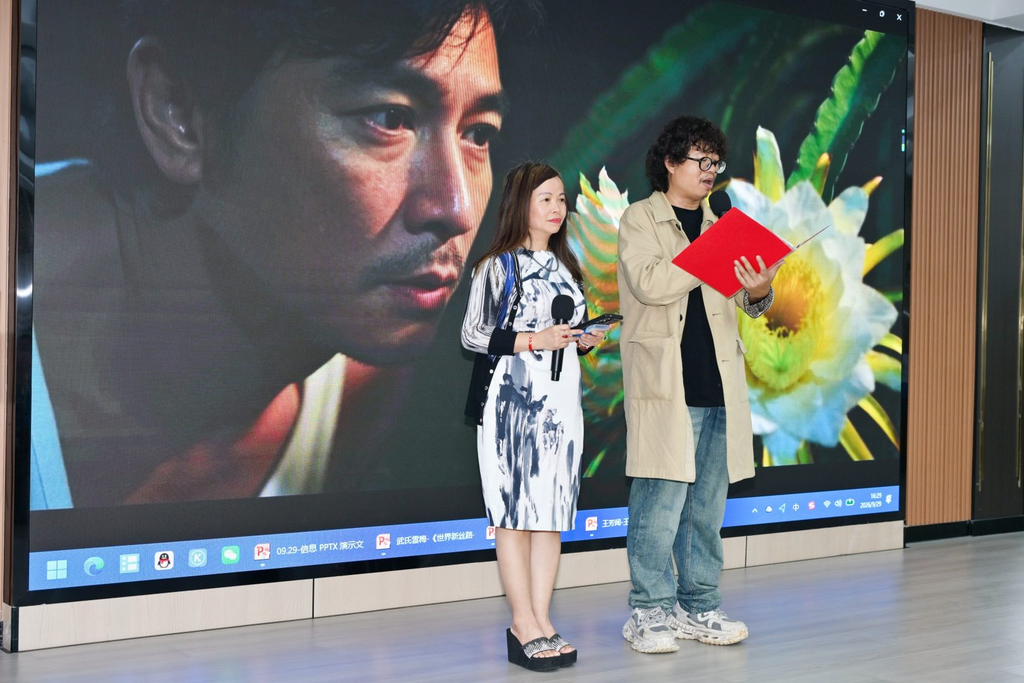
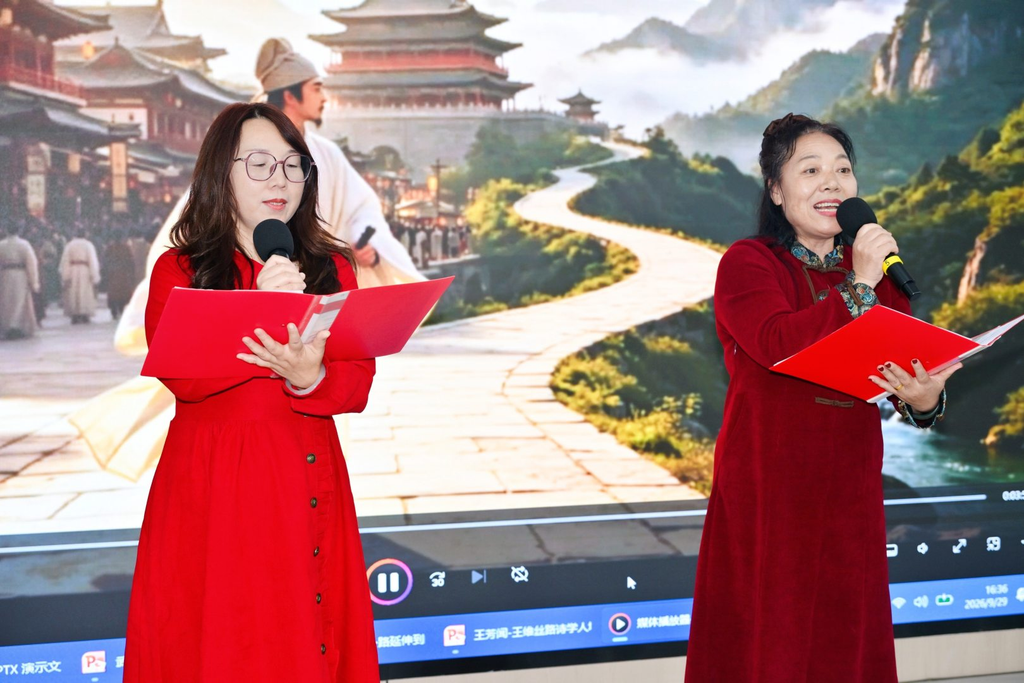
The forum features three keynote speeches, each exploring the Silk Road from a different perspective. Vo Thi Nhu Mai speaks on The New World Silk Road — The Power of Poetry and Language Linking Global Civilizations, with interpretation by Cao Shui, highlighting how poetry and language can connect people across cultures. Cao Shui presents Xi’an, Capital of Tang Poetry, as the World Capital of Poetry, reflecting on Xi’an’s literary heritage and its potential role in contemporary world poetry. Wang Fangwen delivers The Silk Road Aesthetics of Coexistence between Human and Nature in Wang Wei’s Works, examining how classical Chinese poetry expresses harmony between humanity and the natural world. Together, the three speeches connect cultural exchange, poetic tradition and ecological thought within the wider spirit of the Silk Road.
Taken together, these recognitions reveal something important about the structure of the Xi’an forum. Awards are woven together with academic lectures, visiting-professor appointments, international book launches, literary commentary and poetry performance. A photographer can stand alongside a poet. An academic can share the stage with a translator. A college president can welcome international literary figures. A contemporary poet can be recognised alongside writers whose work represents different generations and different artistic experiences. This is perhaps one of the most meaningful aspects of the Silk Road idea presented by the forum.
The ancient Silk Road was never a road travelled by one kind of person. Merchants, scholars, artists, travellers, translators and diplomats moved along its routes, carrying different forms of knowledge and culture. The contemporary literary Silk Road is similarly diverse. The poets and cultural figures honoured in Xi’an represent that diversity. Some write poetry. Some study it. Some photograph the world. Some organise cultural exchange. Some work in education. Some build literary networks across borders. Their paths are different, but they meet in the same cultural space. And that may be the deeper significance of the awards presented at this forum: they do not simply celebrate individual achievement. They create a visible map of relationships.
From Xi’an to the wider Silk Road, from Chinese-language poetry to international literary exchange, these writers and cultural figures are part of a continuing conversation about how poetry can travel across languages, across disciplines and across generations. In the ancient city of Chang’an, where the Silk Road once connected China with distant civilizations, contemporary poets are once again gathering around the same essential idea:
Culture travels when people are willing to share it, listen to one another and build bridges together.
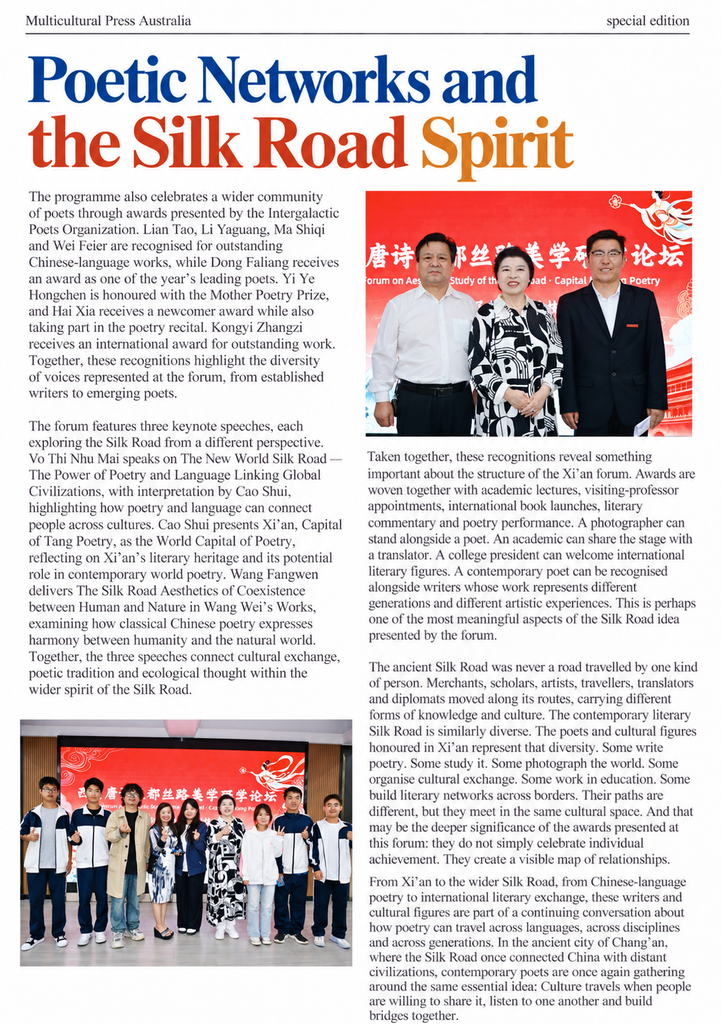
聚光灯之外:西安陕西电子信息职业技术学院表彰的诗人与文化交流使者
“西安:唐诗之都——丝路美学研讨会”汇聚了来自中国及世界各地的作家、艺术家、学者和文化交流工作者。他们以各自的创作与实践,展现了诗歌跨越国界、语言和文化的持久生命力。除了武氏梅雪(Vo Thi Nhu Mai)、曹谁、王芳闻和曹波获得的重要荣誉外,论坛还表彰了更多在文学与文化领域作出贡献的诗人和文化人士。这些奖项涵盖当代诗歌创作、文化交流、学术研究、国际传播等多个领域,也体现了丝绸之路在当今时代的新意义:它不仅是一段历史,更是连接不同艺术传统、促进文明对话的重要文化纽带。
此次访问的一项特别安排,是武氏梅雪与曹谁正式受聘为陕西电子信息职业技术学院客座教授。这一任命也体现了两位诗人长期致力于文学、翻译和国际文化交流的共同追求。武氏梅雪担任曹谁史诗作品《亚欧大陆地史诗》英文版的责任编辑,并新近受聘为陕西电子信息职业技术学院客座教授。多年来,她积极推动不同语言背景的作家与文化群体建立联系。曹谁则是中国当代具有代表性的诗人之一,长期致力于跨文化诗歌交流,努力让中国文学传统与世界文学展开对话。两人的合作表明,诗歌、翻译、教育与真诚的友谊,能够跨越语言和地域的界限,成为连接不同文化的持久桥梁。
在颁奖环节,王芳闻与曹谁代表丝绸之路国际诗歌节,向武氏梅雪颁发“桂冠诗人奖”;曹谁与王芳闻代表大诗主义运动委员会,向她授予“大诗主义运动勋章”;两人还代表《香港文学艺术》杂志,向她颁发“香港文学奖”。这些荣誉体现了武氏梅雪在国际诗歌交流与文学传播方面所作出的贡献。
论坛同时肯定了陕西电子信息职业技术学院理事长、院长王明星对活动的重要支持。由于本次论坛在高等教育机构举办,学院的参与具有特别的意义。这里不仅是活动场地,也是教育、国际文学与文化交流相互融合的平台。通过学术研讨、客座教授聘任和其他文化活动,学院为不同领域的交流创造了机会。陕西电子信息职业技术学院党委书记、督导专员赵登攀也在此次活动中发挥了重要作用,积极支持丝绸之路文化的当代阐释与交流传播。
陕西电子信息职业技术学院承办此次论坛,也为活动增添了更深层次的教育意义。学院创建于1992年,2003年正式设立为高等职业院校,位于古都西安,目前拥有5000余名在校学生,开设电子信息、人工智能、数字媒体、智能制造、商贸及其他应用型专业。学院重视实践教学和职业技能培养,展现了西安现代职业教育的发展面貌。它以科技教育和应用型人才培养为基础,同时通过举办丝路美学研讨会等文化活动,推动校园与国际文学艺术领域建立联系。在理事长、院长王明星的带领下,学院承办此次论坛的意义已超越单纯提供场地,而是将诗歌、学术研究和跨文化对话带入现代职业教育环境,让面向未来的青年一代有机会接触更加多元、开放的世界文化。
国际奖项的设置进一步扩大了此次论坛的文化交流范围。韩晓梅(Han Xiaomei)获得**“多元文化学术奖”,由武氏梅雪为其颁奖。这一荣誉为以诗歌和文学创作为核心的论坛增添了学术研究的视角,也表明文化交流不仅需要文学创作,还离不开学术探索、文化研究和对不同文明的深入理解。活动中的另一重要时刻,是诗人曹谁受聘担任澳大利亚多元文化出版社(Multicultural Press Australia)中国大使**。这一任命不仅肯定了他的文学成就,也表彰了他多年来在国际诗歌、翻译和跨文化交流领域的持续贡献。作为中国大使,曹谁将进一步促进中国作家、读者与国际文学界的联系,让其长期倡导的文学对话与文化交流精神得到更广泛的传播。
论坛还通过埃及金色思想家诗歌与文学论坛(Egyptian Golden Thinkers Forum for Poetry & Literature),向董发亮、Shen Gongli、王芳闻和曹波授予荣誉文学博士称号。这些来自国际文学机构的荣誉,体现了本次活动跨越国家与机构界限的文化交流特色,也让不同背景的文学创作者在同一个舞台上获得认可。
董发亮在此次论坛中具有独特的代表性。根据活动资料,他担任陕西省摄影家协会常务副主席,将摄影艺术带入了以诗歌为核心的文化交流现场。他的获奖进一步体现了论坛所倡导的艺术多样性:丝绸之路不仅可以通过诗歌来书写,也可以通过摄影、绘画及其他视觉艺术来呈现。不同的艺术形式虽然使用各自的表达语言,却能够从不同角度展现同一片土地的历史、风景与文化记忆。
Shen Gongli 同样获得埃及方面授予的荣誉文学博士称号。这项荣誉使其成为西安论坛国际文学交流网络中的一员,与来自不同文化和专业背景的作家、诗人及文化人士共同受到表彰。
获得**“丝绸之路国际诗歌传播大使奖”**的是潘东峰。这一奖项体现了论坛对诗歌传播的重视。诗歌的意义不仅在于创作,更在于让文字跨越地域,走进不同的文化群体。潘东峰也为此次丝路文化交流带来了另一个视角。根据活动资料,他曾担任陕西省地理信息产业协会副会长,其专业经历与地理空间、自然景观及不同地区之间的联系密切相关。从这一角度来看,他的背景与丝绸之路所代表的地域交流和文化传播理念有着自然的联系。此次获得丝绸之路国际诗歌传播大使奖,也进一步展现了西安论坛参与者的多元背景。
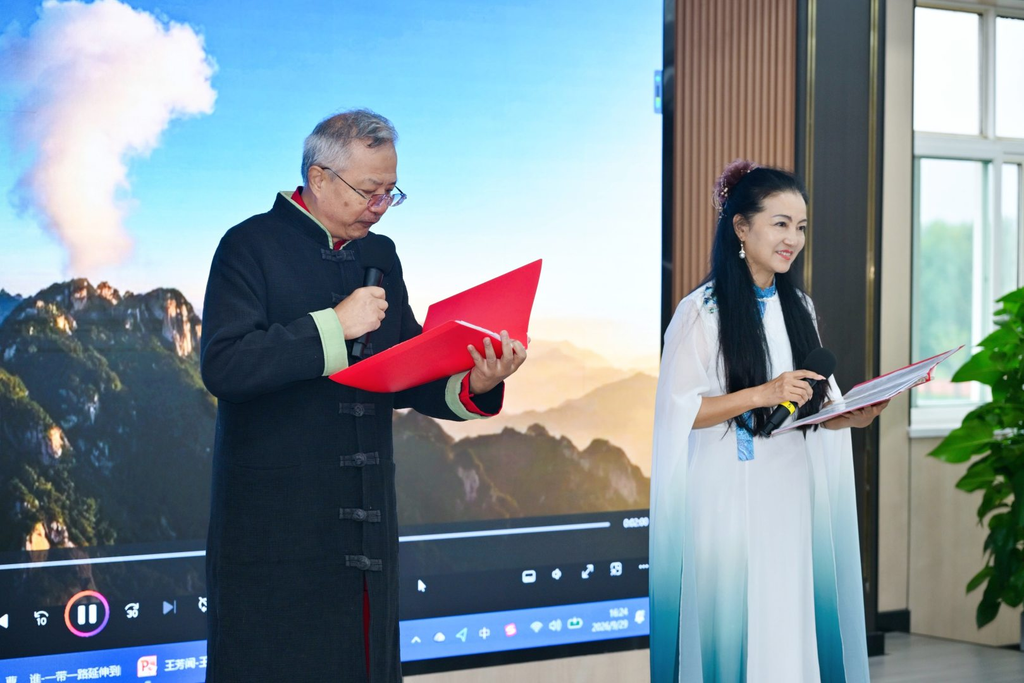
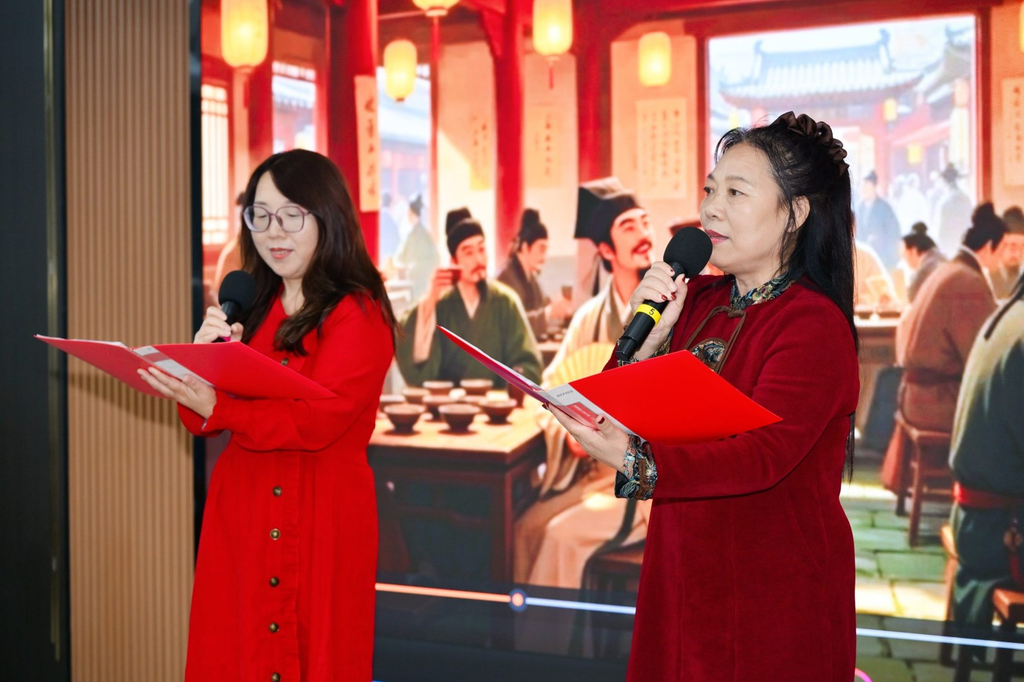
论坛还通过**星际诗人组织(Intergalactic Poets Organization)**颁发的一系列奖项,表彰更广泛的诗歌创作群体。Lian Tao、Li Yaguang、Ma Shiqi 和 Wei Feier 因优秀中文作品受到表彰,董发亮获得年度杰出诗人类奖项。一叶红尘荣获“母亲诗歌奖”,海霞获得新人奖,并参与了现场诗歌朗诵。Kongyi Zhangzi 则凭借优秀作品获得国际奖项。这些荣誉共同展现了当代诗歌创作的丰富面貌,既有经验深厚的诗人,也有正在成长的新锐作者。不同年龄、风格和创作经历的诗人在此相聚,让论坛呈现出更加多彩的文学风景。
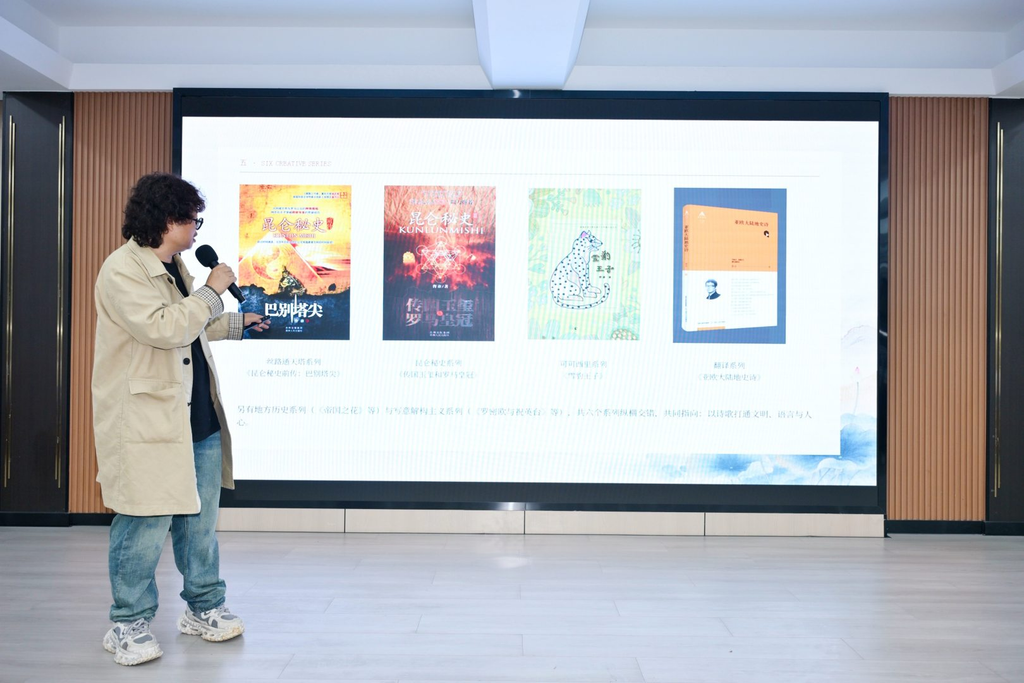
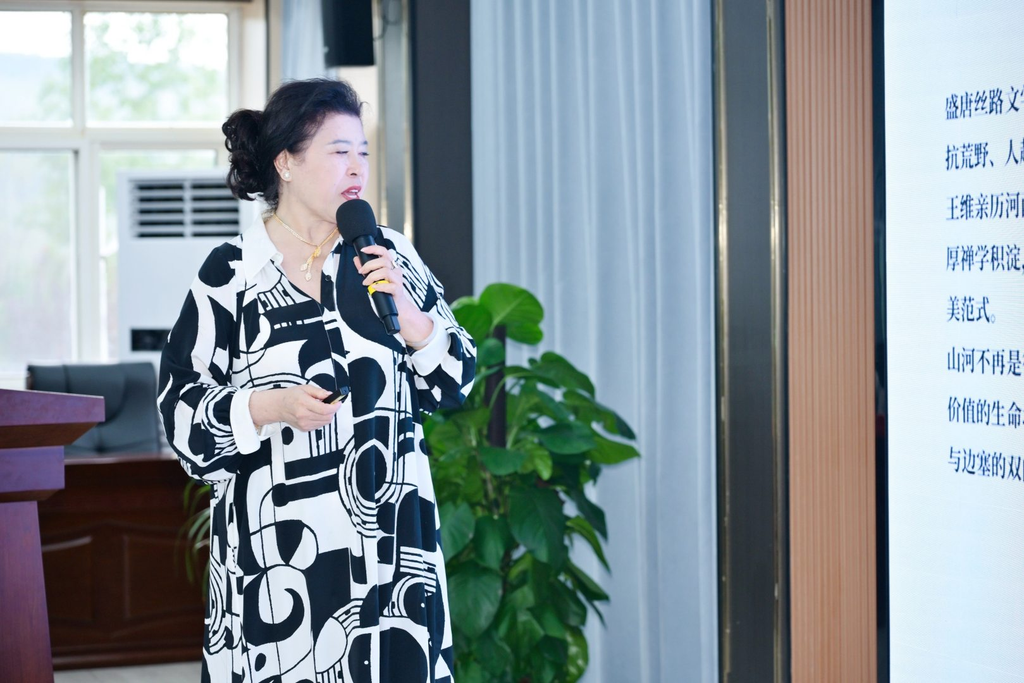
本次论坛还安排了三场主题演讲,从不同角度探讨丝绸之路的文化意义。武氏梅雪发表题为《新世界丝绸之路——连接全球文明的诗歌与语言力量》的演讲,由曹谁担任翻译,重点阐述诗歌与语言如何跨越文化差异,促进不同文明之间的理解与交流。曹谁以《唐诗之都西安:世界诗歌之都》为题发表演讲,回顾西安深厚的文学传统,并探讨这座古城在当代世界诗歌发展中所具有的潜力。王芳闻则带来《王维作品中人与自然和谐共生的丝路美学》主题演讲,从中国古典诗歌出发,分析王维作品所体现的人与自然和谐相处的思想。三场演讲分别从国际文化交流、诗歌传统和生态美学展开讨论,共同呈现了丝绸之路文化所蕴含的开放精神与思想深度。
综合来看,此次西安论坛的一大特色,在于它并没有将颁奖活动与文学交流分开,而是将各种文化活动紧密结合。学术讲座、客座教授聘任、国际新书发布、文学评论和诗歌朗诵,与颁奖仪式共同构成了丰富的活动内容。摄影家可以与诗人同台,学者可以与翻译家交流,学院院长可以欢迎来自世界各地的文学人士,当代诗人也可以与不同代际、不同艺术背景的创作者共同接受表彰。这种跨越专业与文化界限的相遇,或许正是此次论坛所呈现的丝绸之路精神中最有价值的部分。
回望历史,古代丝绸之路从来不是只属于某一类人的道路。商人、学者、艺术家、旅行者、翻译家和外交使者沿着这条道路往来,将不同地区的知识、思想、艺术与文化带向远方。今天的文学丝绸之路同样丰富多元。此次在西安受到表彰的诗人与文化人士,正体现了这种多样性。有的人创作诗歌,有的人研究文学,有的人用摄影记录世界,有的人组织文化交流活动,有的人投身教育事业,还有的人致力于建立跨国文学联系。他们的经历和专业各不相同,却因为共同的文化追求而相聚在同一个交流空间。这也许正是此次论坛颁发众多奖项的深层意义:这些荣誉不仅是在肯定个人成就,也让不同国家、不同领域的人们之间的联系变得更加清晰可见。
从西安走向更广阔的丝绸之路,从中文诗歌延伸至国际文学交流,这些作家、诗人与文化人士正在共同参与一场持续发展的文明对话。他们让诗歌跨越语言、跨越学科,也跨越不同的时代与世代。在昔日的长安,丝绸之路曾将中国与遥远的文明连接起来;而今天,来自不同地方的诗人再次相聚于这座古城,围绕着一个同样重要的理念展开交流:
只有当人们愿意分享自己的文化,真诚倾听彼此的声音,并携手搭建沟通的桥梁,文化才能跨越山海,在不同文明之间不断传播、交流与延续。