By Võ Thị Như Mai
Multicultural Press Australia
Molepolole, Botswana, offered a fitting setting for the Botswana International Poetry Festival. The richness of local heritage and the enduring strength of community provided a natural backdrop for an encounter that reached beyond poetry, bringing together diverse cultural traditions, individual experiences and a shared commitment to human connection.
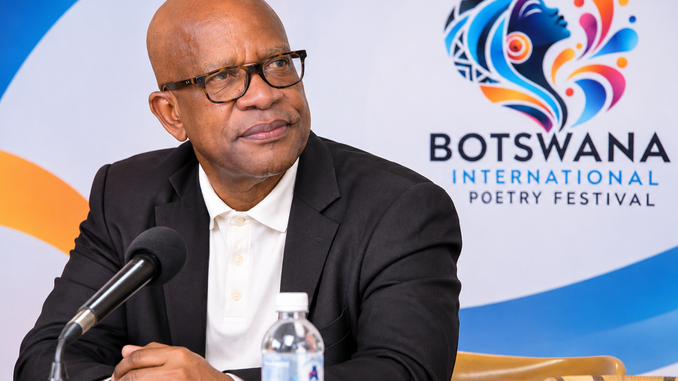
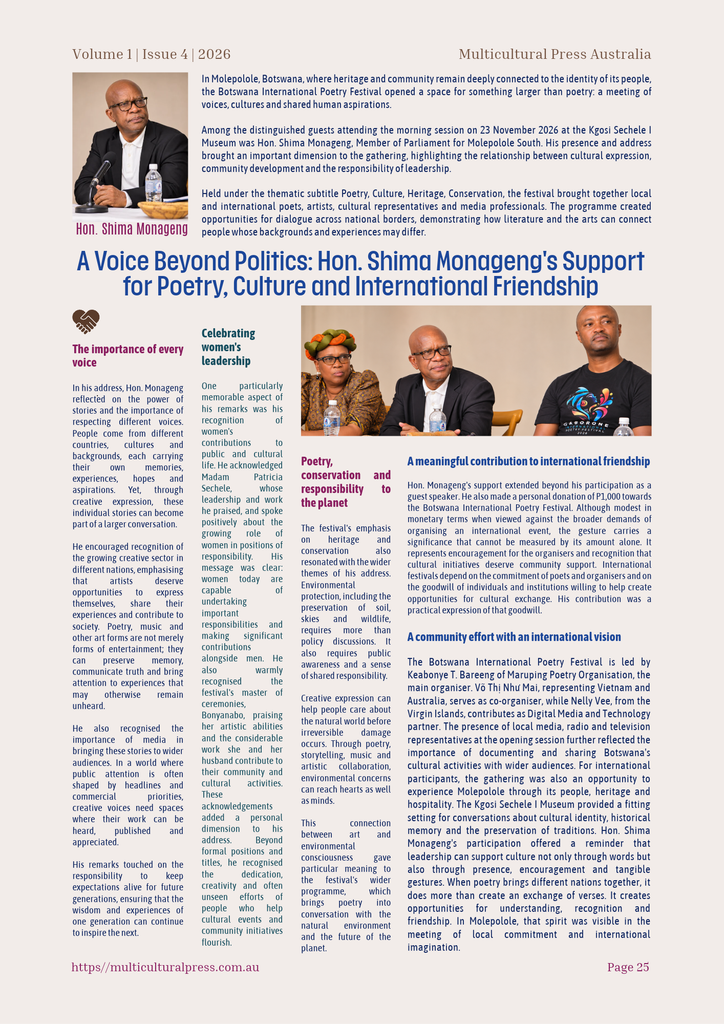
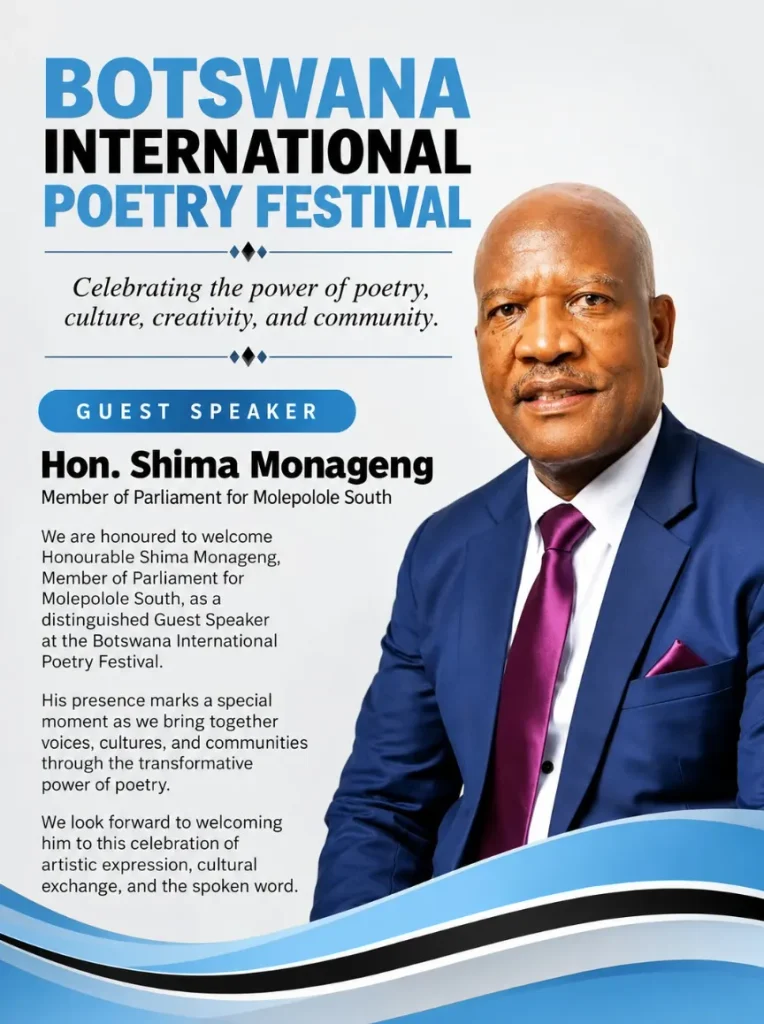
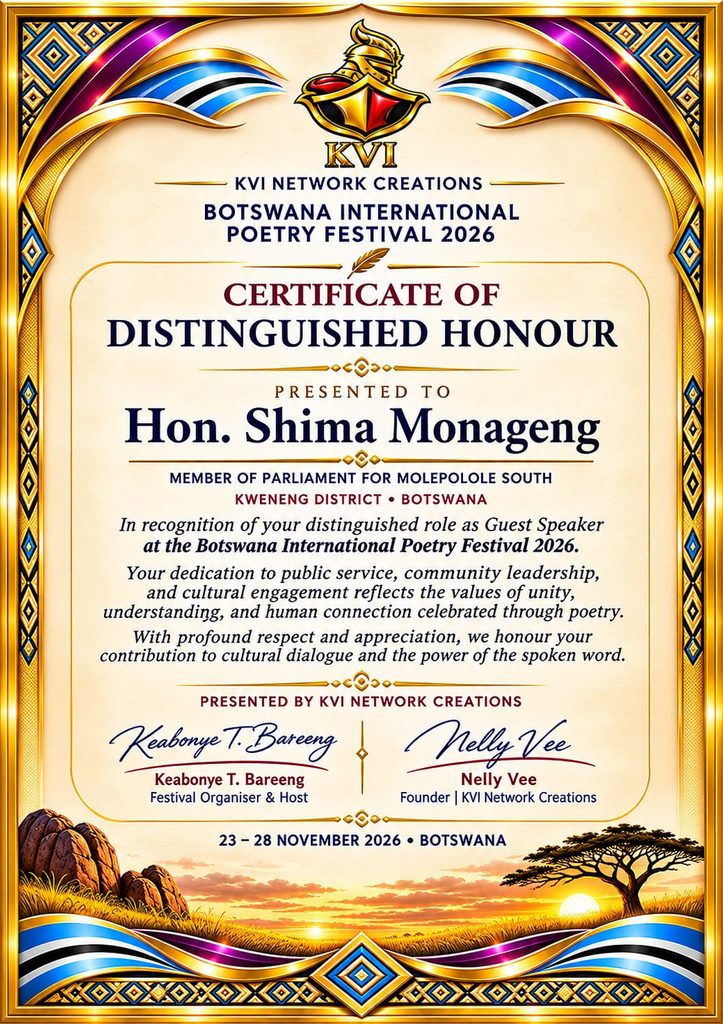
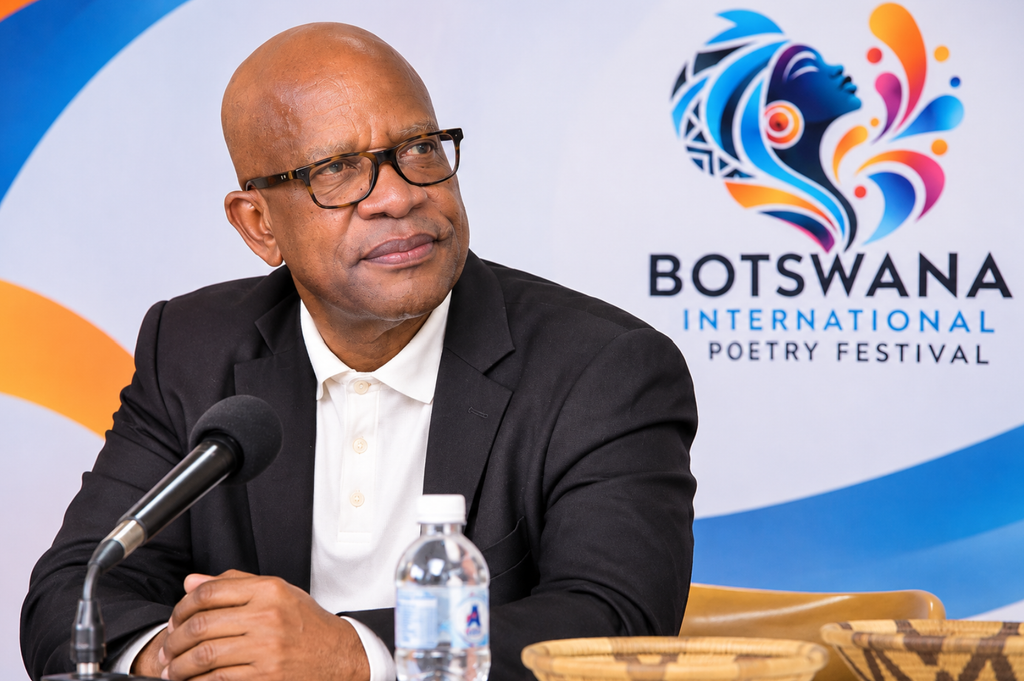
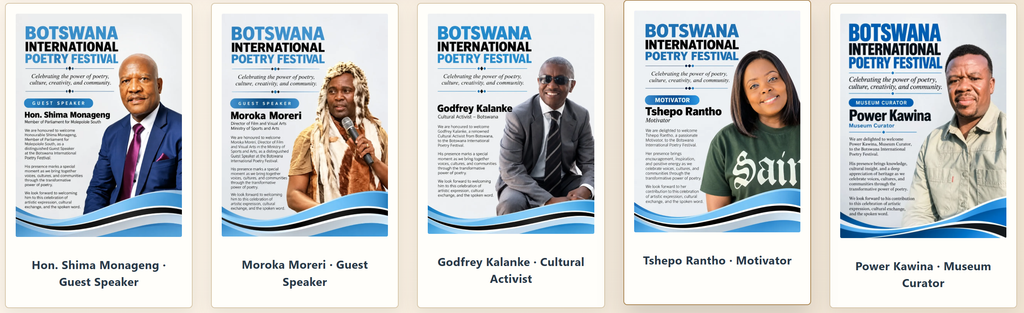
Among the distinguished guests attending the morning session on 23 November 2026 at the Kgosi Sechele I Museum was Hon. Shima Monageng, Member of Parliament for Molepolole South. His presence and address brought an important dimension to the gathering, highlighting the relationship between cultural expression, community development and the responsibility of leadership.
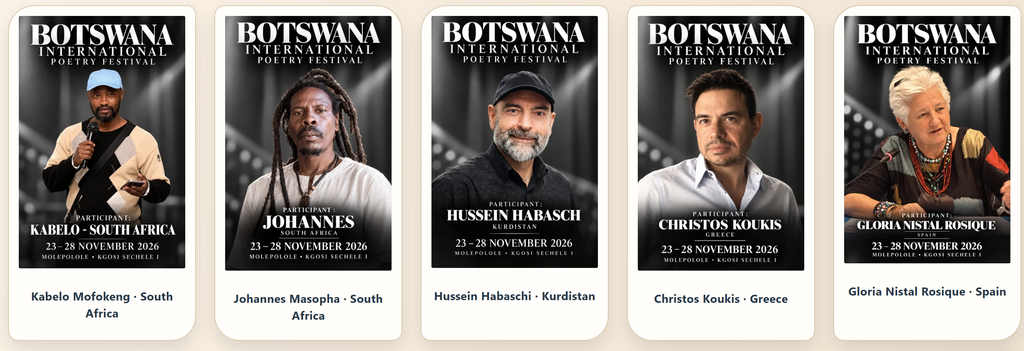
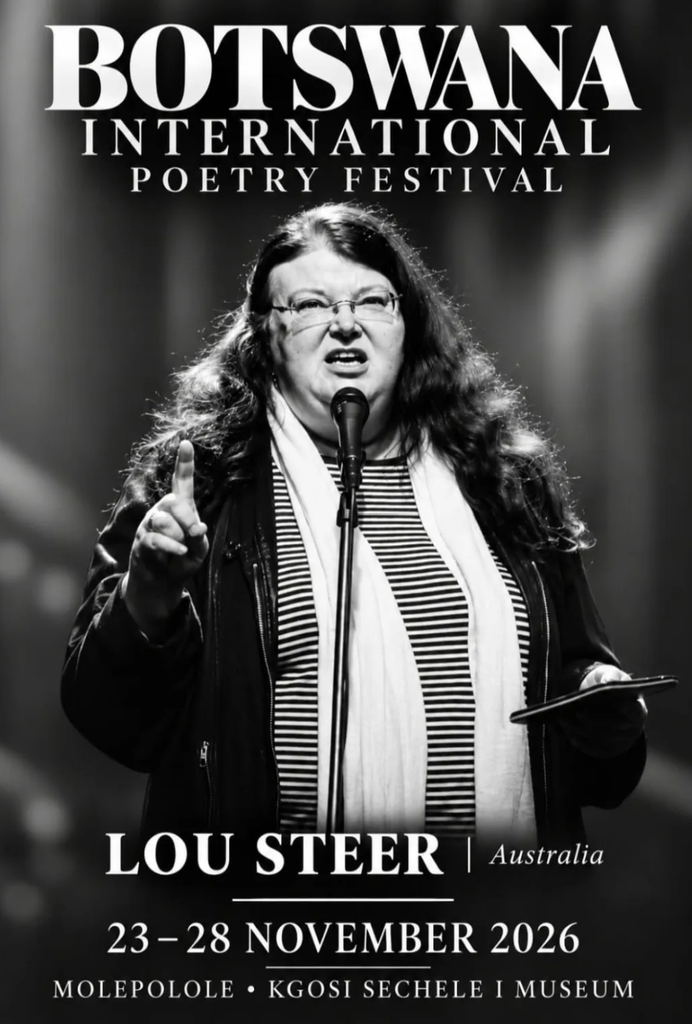
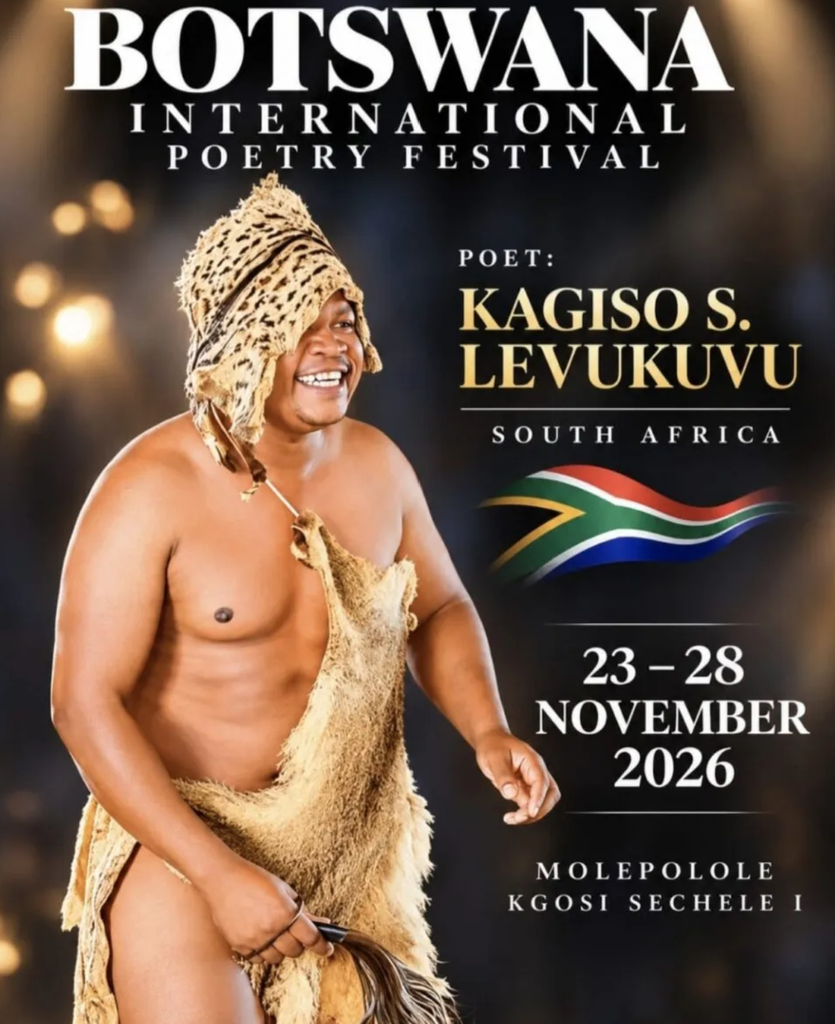
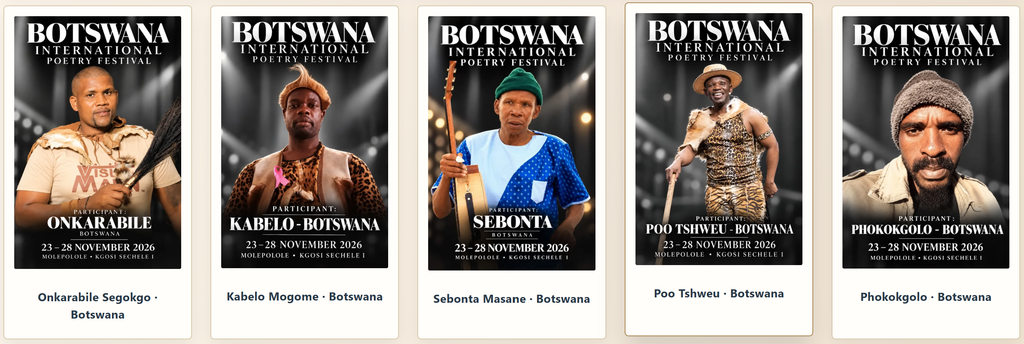
Held under the thematic subtitle Poetry, Culture, Heritage, Conservation, the festival brought together local and international poets, artists, cultural representatives and media professionals. The programme created opportunities for dialogue across national borders, demonstrating how literature and the arts can connect people whose backgrounds and experiences may differ.
The importance of every voice
In his address, Hon. Monageng reflected on the power of stories and the importance of respecting different voices. People come from different countries, cultures and backgrounds, each carrying their own memories, experiences, hopes and aspirations. Yet, through creative expression, these individual stories can become part of a larger conversation.
He encouraged recognition of the growing creative sector in different nations, emphasising that artists deserve opportunities to express themselves, share their experiences and contribute to society. Poetry, music and other art forms are not merely forms of entertainment; they can preserve memory, communicate truth and bring attention to experiences that may otherwise remain unheard.
He also recognised the importance of media in bringing these stories to wider audiences. In a world where public attention is often shaped by headlines and commercial priorities, creative voices need spaces where their work can be heard, published and appreciated.
His remarks touched on the responsibility to keep expectations alive for future generations, ensuring that the wisdom and experiences of one generation can continue to inspire the next.
Celebrating women’s leadership
One particularly memorable aspect of his remarks was his recognition of women’s contributions to public and cultural life.
He acknowledged Madam Patricia Sechele, whose leadership and work he praised, and spoke positively about the growing role of women in positions of responsibility. His message was clear: women today are capable of undertaking important responsibilities and making significant contributions alongside men.
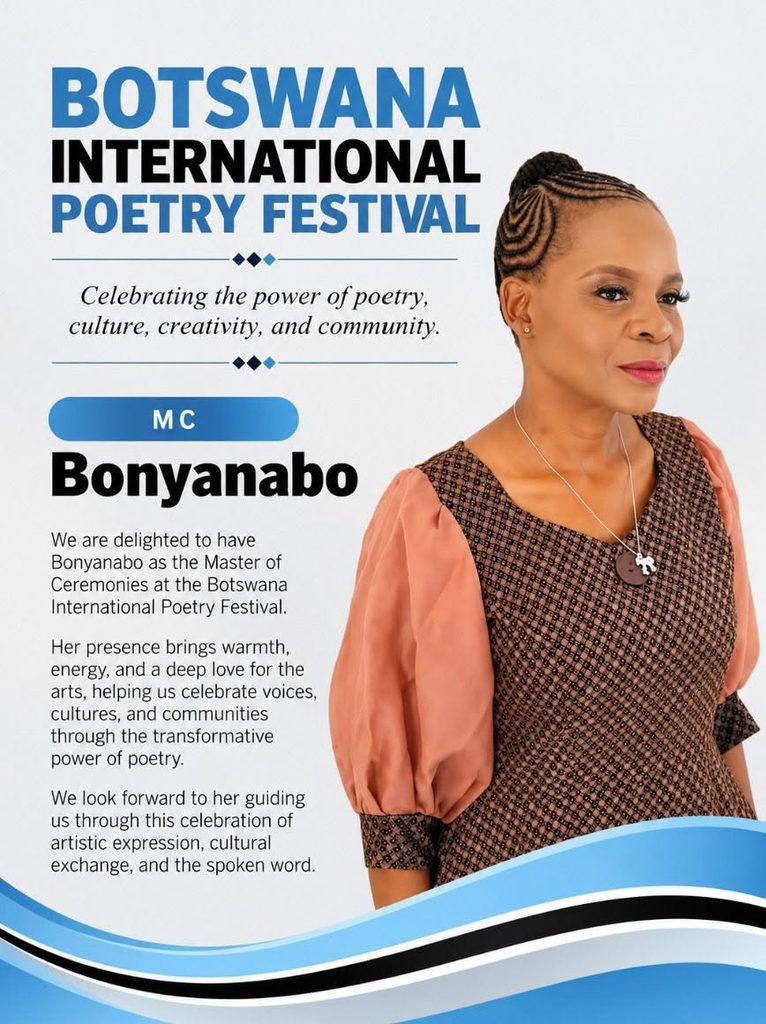
He also warmly recognised the festival’s master of ceremonies, Bonyanabo, praising her artistic abilities and the considerable work she and her husband contribute to their community and cultural activities.
These acknowledgements added a personal dimension to his address. Beyond formal positions and titles, he recognised the dedication, creativity and often unseen efforts of people who help cultural events and community initiatives flourish.
Poetry, conservation and responsibility to the planet
The festival’s emphasis on heritage and conservation also resonated with the wider themes of his address. Environmental protection, including the preservation of soil, skies and wildlife, requires more than policy discussions. It also requires public awareness and a sense of shared responsibility.
Creative expression can help people care about the natural world before irreversible damage occurs. Through poetry, storytelling, music and artistic collaboration, environmental concerns can reach hearts as well as minds.
This connection between art and environmental consciousness gave particular meaning to the festival’s wider programme, which brings poetry into conversation with the natural environment and the future of the planet.
A meaningful contribution to international friendship
Hon. Monageng’s support extended beyond his participation as a guest speaker. He also made a personal donation of P1,000 towards the Botswana International Poetry Festival.
Although modest in monetary terms when viewed against the broader demands of organising an international event, the gesture carries a significance that cannot be measured by its amount alone. It represents encouragement for the organisers and recognition that cultural initiatives deserve community support.
International festivals depend on the commitment of poets and organisers and on the goodwill of individuals and institutions willing to help create opportunities for cultural exchange.
His contribution was a practical expression of that goodwill.
A community effort with an international vision
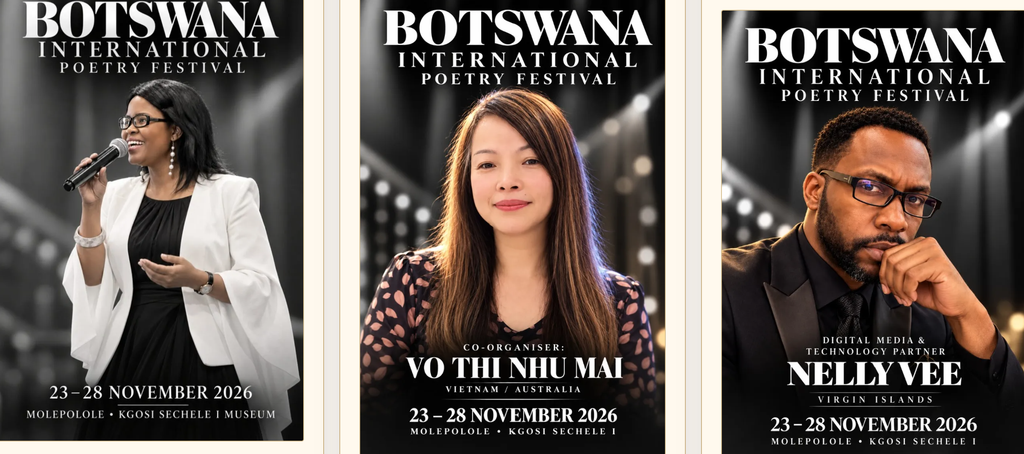
The Botswana International Poetry Festival is led by Keabonye T. Bareeng of Maruping Poetry Organisation, the main organiser. Võ Thị Như Mai, representing Vietnam and Australia, serves as co-organiser, while Nelly Vee, from the Virgin Islands, contributes as Digital Media and Technology partner.
The presence of local media, radio and television representatives at the opening session further reflected the importance of documenting and sharing Botswana’s cultural activities with wider audiences.
For international participants, the gathering was also an opportunity to experience Molepolole through its people, heritage and hospitality. The Kgosi Sechele I Museum provided a fitting setting for conversations about cultural identity, historical memory and the preservation of traditions.
Hon. Shima Monageng’s participation offered a reminder that leadership can support culture not only through words but also through presence, encouragement and tangible gestures.
When poetry brings different nations together, it does more than create an exchange of verses. It creates opportunities for understanding, recognition and friendship.
In Molepolole, that spirit was visible in the meeting of local commitment and international imagination. And in the contribution of a local representative who chose to stand alongside the poets, it found another expression: the belief that every voice matters, every culture has a story, and the arts deserve a place in the life of every community.


Leave a Reply