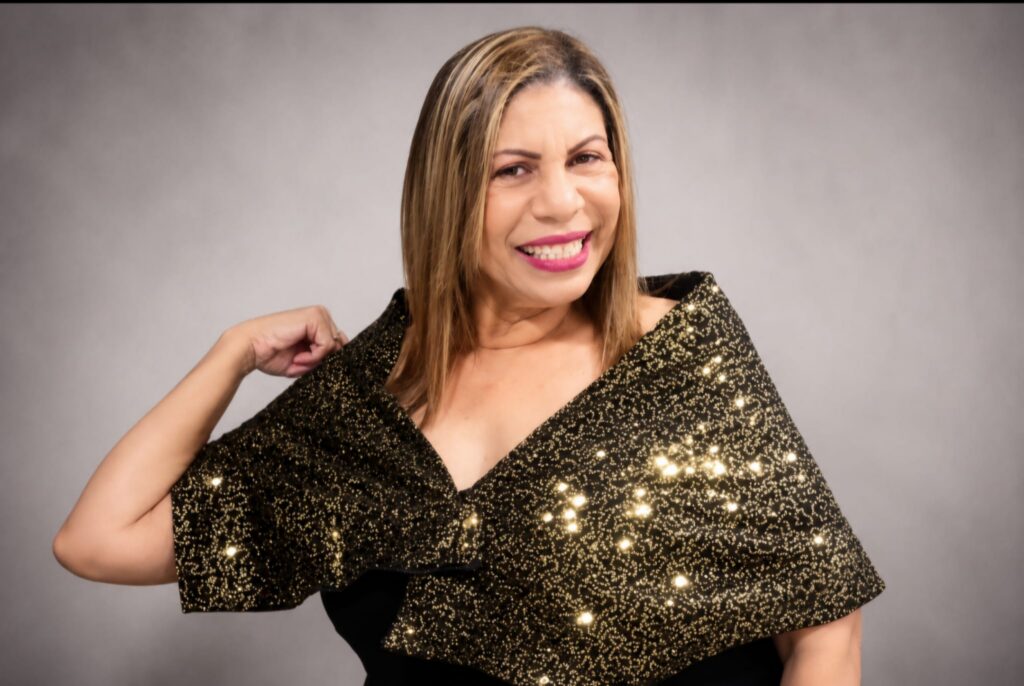
Ismari Marcelina Marcano Dicurú
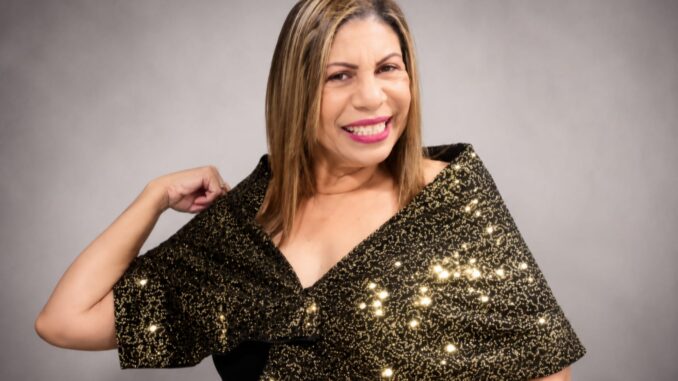
Ismari Marcelina Marcano Dicurú was born in Tucupita, Delta Amacuro State, Venezuela. A university professor, poet, writer, essayist, researcher, workshop facilitator, reading promoter, and cultural manager, she has dedicated her career to education and the promotion of literature and culture. She is a retired full professor of the Universidad de Oriente, where she also developed an extensive research career, and holds a Ph.D. in Education.
Marcano Dicurú is the founder and president of the cultural movement Letras del Manamo and has served as a workshop facilitator with the Fundación Nacional Casa de las Letras Andrés Bello and the Centro Nacional del Libro. She currently contributes to Periódico del Delta, where she coordinates the literary page Tejido de Letras. Her commitment to encouraging literary creation and reading is also reflected in the projects she has developed, including the Andrés Eloy Blanco School Poetry Encounter, the Ibuju Ana Poetry Contest, and the Antonio Cequea Pitre Itinerant Declamation Workshop, initiatives that bring poetry and literary expression to different generations and communities.
Her extensive contribution to Venezuelan poetry and cultural life has earned her numerous honours and recognitions. She was honoured at Filven 2013 and at the 2014 Festival Nacional de Poesía de Venezuela, and has served as keynote speaker at several commemorative and cultural events. Her poetry and narrative have reached audiences well beyond her native Delta Amacuro, with her work included in at least 26 national and international anthologies. She is the author of 21 published works spanning poetry and narrative, several of which are also available internationally through Amazon. Through her writing, teaching, cultural initiatives, and dedication to literary outreach, Marcano Dicurú has become an important voice in Venezuela’s contemporary literary and cultural landscape, particularly in promoting the creative traditions and cultural identity of the Delta region.
+++
Series of Haikus with a Cultural Background from Eastern Venezuela
Author: Ismari Marcelina Marcano Dicurú
I. Intense Heat
Intense heat
From the mountain you break free
Scent of olive.
II. Hot Water
Hot water
Bubbles dance alone.
Nothing remains.
III. You Come, Mist
You come, mist
A fledgling trembles alone.
Where are you, mother.
IV. The Flowers Still
The flowers still
Show off their dresses!
Life arrives.
V. Dawn’s Light
Dawn’s light
On the cold mountain.
Awakens the condor!
VI. A Gardenia
A gardenia
Opens its petals
Bathes in glamour.
VII. Moon, You Grow
Moon, you grow
Over snowy peaks
Shadows fall!
Translation note: The biography and poems were translated into English by Jesús Rafael Marcano Guzmán. Proper names, cultural references, and Spanish specific terms, including Filven, Ibuju, Manamo, Andrés Eloy Blanco, Antonio Cequea Pitre, Universidad de Oriente, Fundación Nacional Casa de las Letras Andrés Bello, Centro Nacional del Libro, Periódico del Delta, Tejido de Letras, and Festival Nacional de Poesía de Venezuela, have been kept in their original form.
***
Ismari Marcelina Marcano Dicurú’s haikus draw their strength from close observation of nature and the landscapes of Eastern Venezuela. Mountains, heat, mist, flowers, dawn, moonlight, and snowy peaks become vivid poetic images, while each brief poem captures a moment of movement, transformation, or stillness. Her language is simple and concentrated, allowing the natural world to carry emotional and cultural meaning.
A gentle sense of life and renewal runs through the series. The flowers announcing the arrival of life, the gardenia opening its petals, and the dawn awakening the condor suggest cycles of emergence and transformation. At the same time, the trembling fledgling and the question of the absent mother introduce tenderness and vulnerability, reminding us that nature can hold both beauty and longing.
The poems also reflect a strong connection between landscape and cultural identity. Rather than treating nature as a distant backdrop, Marcano Dicurú presents it as a living presence that shapes memory, emotion, and belonging. Her haikus offer readers a glimpse into the natural imagination of Eastern Venezuela, transforming small observations into moments of contemplation, beauty, and wonder.