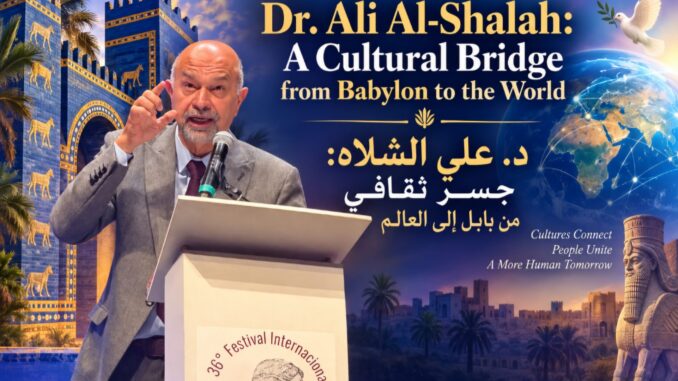
For Dr. Ali Al-Shalah, poet, writer and cultural figure, Babylon is part of a living cultural identity, one that can still speak, evolve and enter into conversation with the wider world. Born in Babylon in 1965, Al-Shalah’s journey began in Iraq before taking him across universities, literary circles and cultural institutions in the Arab world and Europe. He studied Arabic Literature at the University of Baghdad, later completing his Master’s degree at Yarmouk University in Jordan and his PhD at the University of Bern in Switzerland.
But his story cannot be measured by academic degrees alone. Over the years, poetry became one of the ways through which Al-Shalah explored the relationship between identity, memory and the world beyond Iraq. His literary work has travelled well beyond the Arabic-speaking world, with his poetry translated into languages including German, French, English, Spanish, Turkish, Persian, Russian, Serbian, Bengali and Chinese. That international reach reflects something larger than literary recognition. It speaks to a sustained belief that culture is at its strongest when it moves.
Al-Shalah’s work has developed across several worlds at once: literature, cultural diplomacy, media and public life. He has held significant cultural and political positions, including serving as Head of the Culture and Media Committee in the Iraqi Parliament and as Director of Iraqi Media with the rank of Minister. Yet alongside these formal roles, much of his enduring work has taken place through cultural initiatives designed to bring people together.
Among the most prominent of these is the Babylon International Festival of Cultures, which he leads as President. Held in and around the historic city of Babylon, the festival has grown into a meeting point for Iraqi, Arab and international artists, poets, musicians and thinkers. Its purpose goes beyond presenting performances or exhibitions. At its heart is an idea that has shaped much of Al-Shalah’s career: that cultural exchange can create connections where politics and geography often create distance.
His international cultural work extends beyond Iraq as well. He is also President of the Al-Mutanabbi International Festival in Zurich, Switzerland, an initiative that places one of the great names of Arabic poetry into dialogue with audiences and institutions outside the Arab world. In this sense, Al-Shalah’s work has never been confined to writing about culture. He has worked to create the spaces in which culture can actually meet.
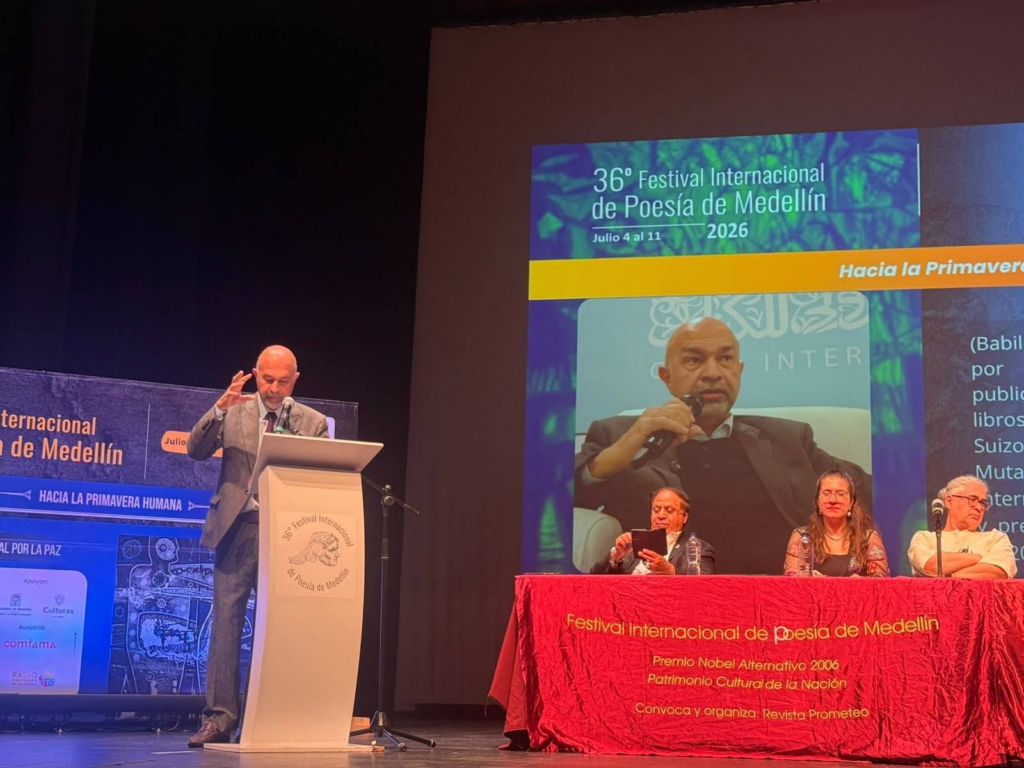
Recognition has followed that work across different countries and cultural communities. Al-Shalah has received literary awards and honors from Arab, Asian and Russian institutions, while the Arab Writers Union in Cairo has also recognized his contribution to bringing Arab culture to international audiences. More recently, the Medellín International Poetry Festival in Colombia honored both Al-Shalah and the Babylon International Festival of Cultures, acknowledging their contribution to international culture and their role in encouraging dialogue across borders. Such recognition is significant, but perhaps the more interesting measure of his work is the network of encounters it has created. Poets who might otherwise never share a stage have met. Audiences have encountered literary traditions beyond their own. Iraqi culture has been presented not simply as something belonging to the past, but as part of a contemporary international conversation.
There is an important distinction in the way Al-Shalah approaches heritage. Babylon, in his work, is not treated as a frozen image from antiquity. Its significance lies partly in its ability to inspire contemporary cultural life. That philosophy can also be seen in the wider work of the Babylon International Foundation for Cultures and Arts. In Baghdad, the restoration of a traditional house in the Al-Bataween district transformed a neglected heritage building into a functioning cultural space. The significance of that transformation goes beyond architecture. A building that might have disappeared into the city’s changing landscape was instead given another life as a place for literary gatherings, artistic events, exhibitions and international cultural exchange.
It is a fitting metaphor for the broader philosophy behind Al-Shalah’s work: preservation does not have to mean placing culture behind glass. Sometimes the best way to protect a cultural memory is to allow it to live again. The next chapter of Babylon is already taking shape. The 13th edition of the Babylon International Festival of Cultures is scheduled for October 8–16, 2026, bringing together artists and cultural figures from Iraq and around the world. Lebanon will be the festival’s guest country, while the program will also mark the centenaries of several important Iraqi literary figures, including Badr Shakir al-Sayyab, Abd al-Wahhab Al-Bayati, Buland al-Haydari and Mustafa Jamal al-Din, alongside a commemoration of the scholar Hussein Ali Mahfouz.
The program is expected to include poetry, music, visual art, theatre, film, literature and public conversations. Among the international guests is Lebanese musician and composer Marcel Khalife, who will participate in the opening program and be honored during the festival. The gathering will also feature writers, poets and artists from countries including Bahrain, Canada, France, China, Algeria and Yemen, alongside a broad group of Iraqi cultural figures. The diversity of the program is itself part of the story. For a festival rooted in one of the world’s most historically significant cultural landscapes, its ambition is not to look backwards. It is to place Babylon in conversation with the present.
It would be easy to describe Dr. Ali Al-Shalah simply as a poet. His literary career certainly provides the foundation. His books, translations and critical writing have established him within the Arabic literary landscape. But his wider contribution has developed through his determination to build institutions, festivals and platforms through which literature and art can travel. That makes his work difficult to place into a single category. He is a poet who became a cultural organizer, a writer who entered public life, and an Iraqi cultural figure whose work has repeatedly crossed national borders. Perhaps the common thread is dialogue. Whether through a poem, a festival stage, an international cultural partnership or the restoration of a historic Baghdad house, the objective remains remarkably consistent: to create a meeting point between cultures.
Dr. Ali Al-Shalah has spent decades arguing, through his writing and cultural work, that Iraqi and Arab culture do not need to remain confined to their historical boundaries. They can travel. They can be translated. They can encounter other traditions without losing their identity. And Babylon can be part of that conversation. Its ancient name carries enormous historical weight, but the cultural work taking place around it asks a contemporary question: what does it mean to keep a civilization’s cultural voice alive? For Dr. Ali Al-Shalah, the answer appears to be found not only in remembering the past, but in creating opportunities for people from different cultures to meet in the present. That may ultimately be the most lasting dimension of his work. Not simply preserving a heritage but putting it back into motion.
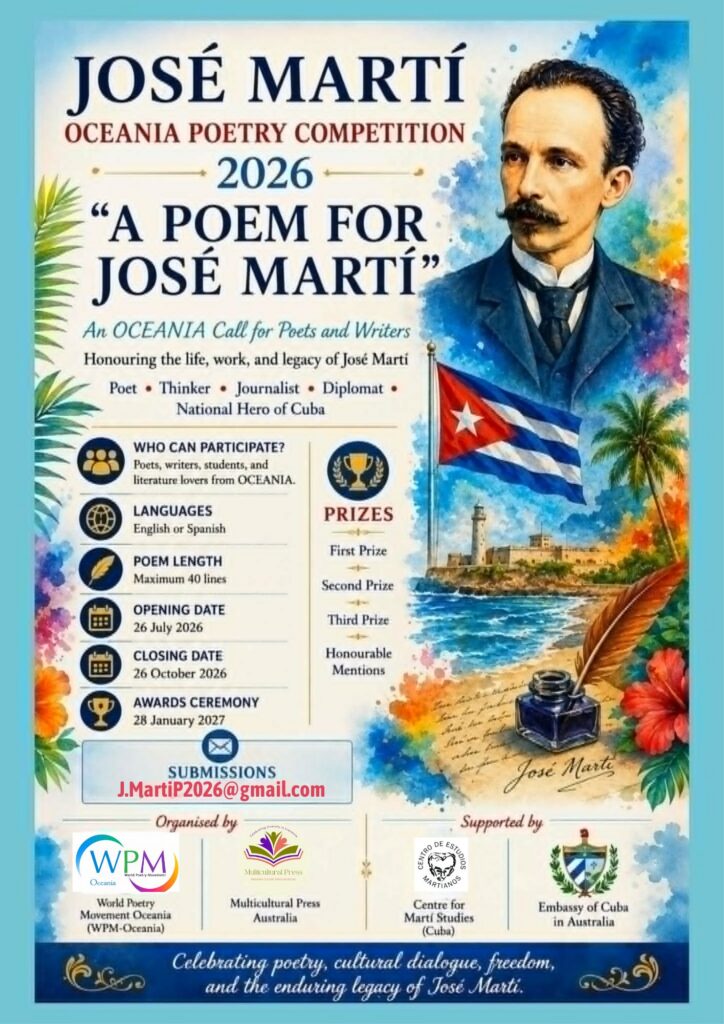
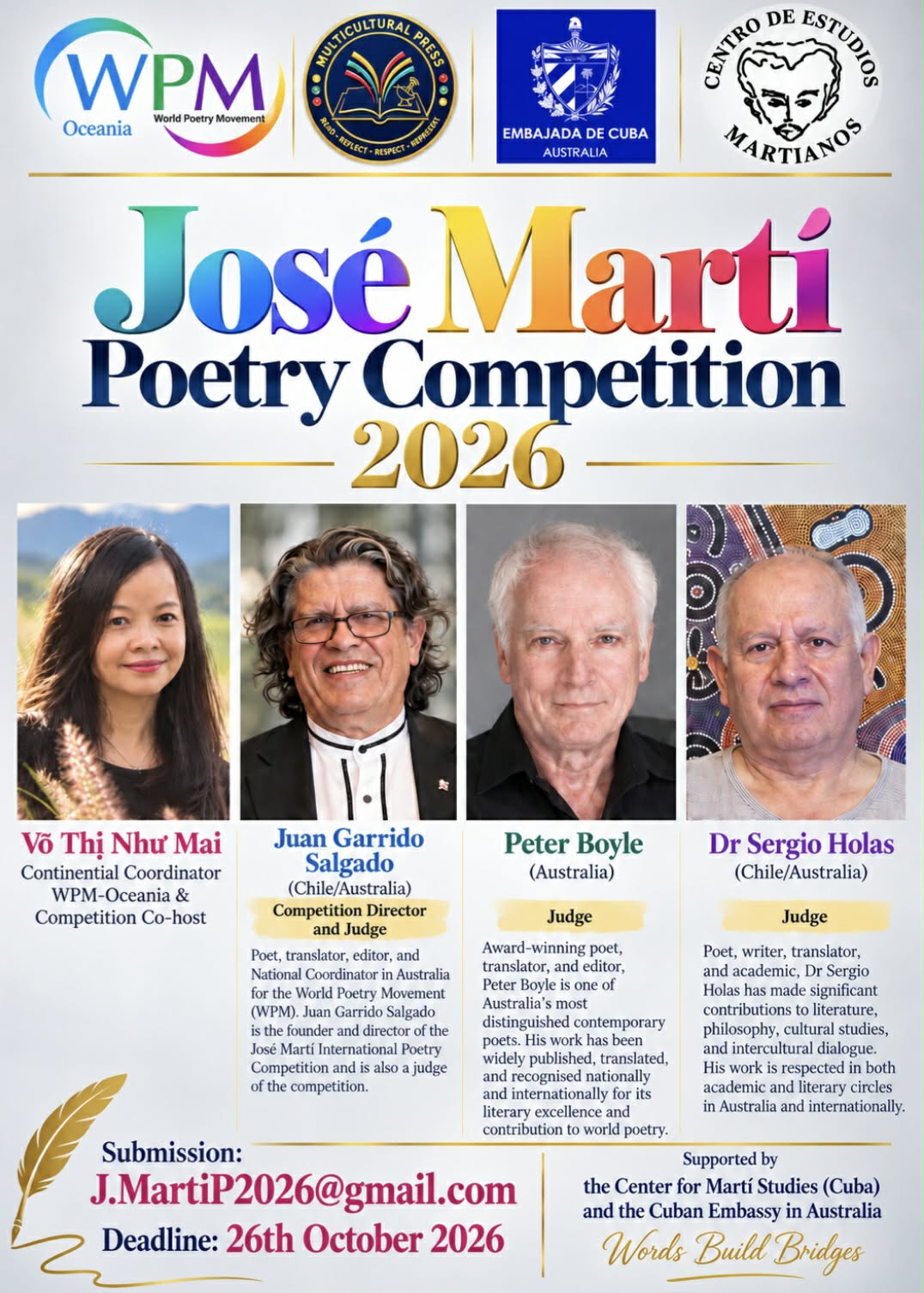
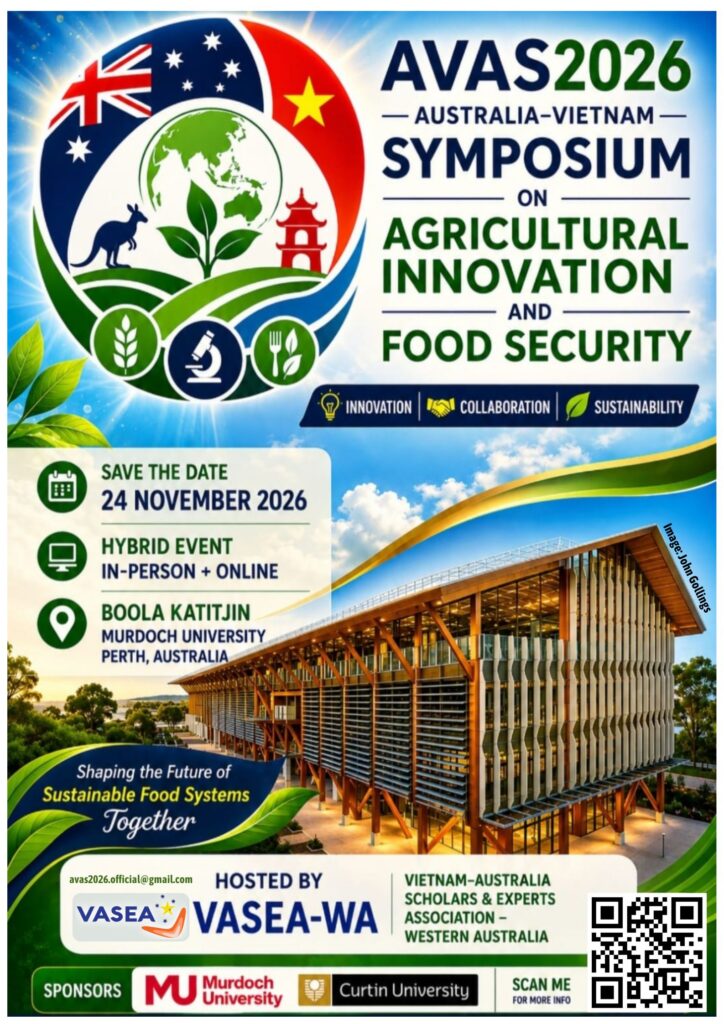
An amazing event and incredible prospects. Participating in that event is an honor for every creative person. Respect to the organizers and leaders. I plan to take part next year. Thanks for the invitation. Sincerely, President of the World Organization of Writers (WOW), Margarita Al.