Book Launch | Reflections on Dr Deanne Leber’s Speech
Dr Deanne Leber opened the launch by acknowledging Karen Lowry as an extraordinary woman and a dear friend. She reminded the audience that This Fragile Thing is a confronting work, dealing with childhood sexual abuse, trauma, family and the long shadow of violence. Karen’s grandfather was charged with his crimes, and the book courageously confronts the impact of that abuse. Yet, as Dr Leber emphasised, this is not simply a book about suffering. It is a powerful exploration of power, trauma, memory and poetry.
One of the most striking aspects of This Fragile Thing is its visual form. The poetry does not always sit neatly on the page. Words fragment, disappear, move and scatter. Handwriting, broken landscapes, unusual page arrangements and even documents such as statements and records become part of the work. The design draws the reader into the experience of fragmentation, reflecting the way trauma can disturb memory and disrupt a person’s sense of reality.
Dr Leber spoke particularly movingly about Karen’s use of the body as a house. A house should be a place of safety, yet in Karen’s poetry the body becomes a place invaded by the predator. The metaphor captures the devastating loss of ownership and security that can follow childhood abuse. The past does not simply disappear; it can remain within the body and memory, demanding to be acknowledged.
Karen’s childhood journals and writings also become important pieces of the story. They give voice to the child she once was and challenge the silence that surrounded her experience. Dr Leber reflected on how perpetrators can manipulate truth and encourage forgetting, leaving children uncertain about what they have experienced. Through this book, Karen refuses that erasure. She brings forgotten and painful fragments back into the light.
Nature becomes another powerful language throughout the collection. Oceans, storms, trees, floods, earthquakes, stones and tectonic plates echo the inner world of trauma. The ocean becomes more than water; it becomes a metaphor for something vast and overwhelming. The shaking earth suggests a deeper resistance, as though the ground itself is refusing to remain silent. Dr Leber beautifully described this movement as an uprising.
What makes the book especially powerful is the way Karen transforms trauma into art without allowing trauma to define the whole work. Dr Leber praised her as a poet of great precision and craft, emphasising that alongside the pain there is remarkable resilience. The fragmented form, visual poetry and unconventional structures are not simply artistic choices; they become part of the meaning.
The collection also brings poetry into conversation with the language of law. Some poems feel like evidence, reflecting the experience of having to speak within a courtroom. Personal memories become documents of truth. The book asks difficult questions about the systems that are supposed to protect people and what happens when those systems fail to shelter the vulnerable.
Dr Leber also drew attention to the book’s moments of tenderness, particularly its reflections on grief and the loss of Karen’s father. These moments remind us that the collection is not only about darkness. There is love, remembrance, life and the possibility of celebration alongside grief.
In the end, Dr Leber described This Fragile Thing as one of the bravest and most powerful works she had encountered. Her admiration for Karen was evident throughout her speech. She recognised not only the courage required to tell such a painful story, but also the extraordinary poetic skill with which Karen has transformed that experience into something visually compelling, deeply human and profoundly resilient.
It was a moving tribute to a remarkable book and to a poet who has found a way to turn silence into language, memory into testimony and trauma into art.
.
Karen Lowry Reading from This Fragile Thing
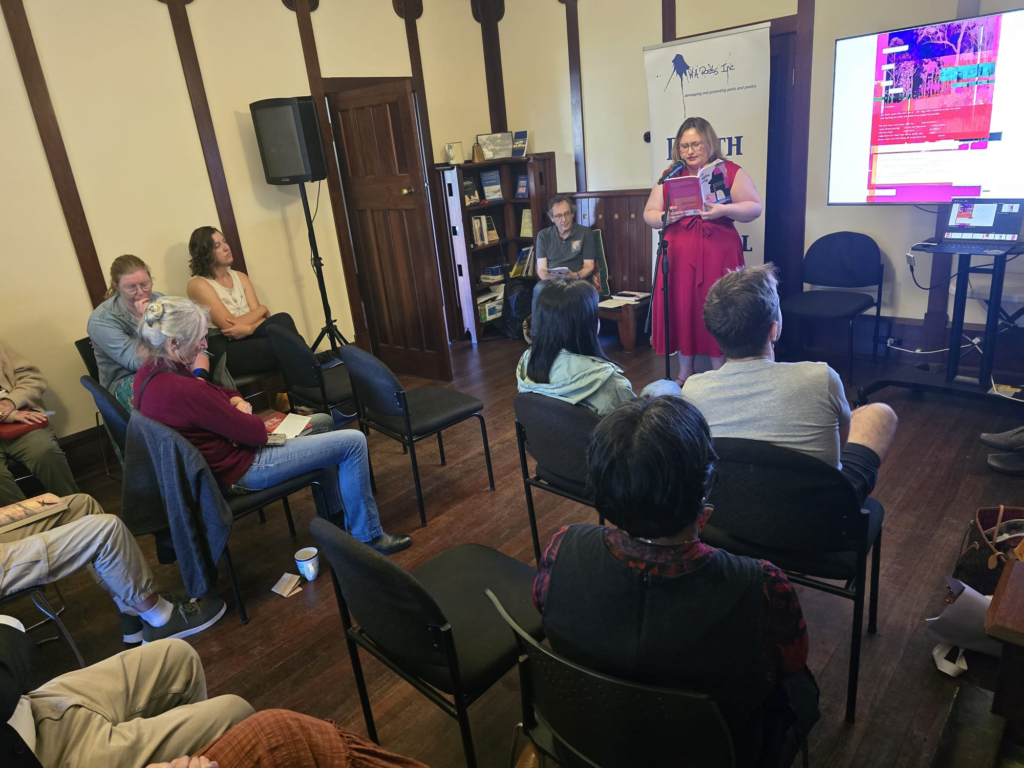
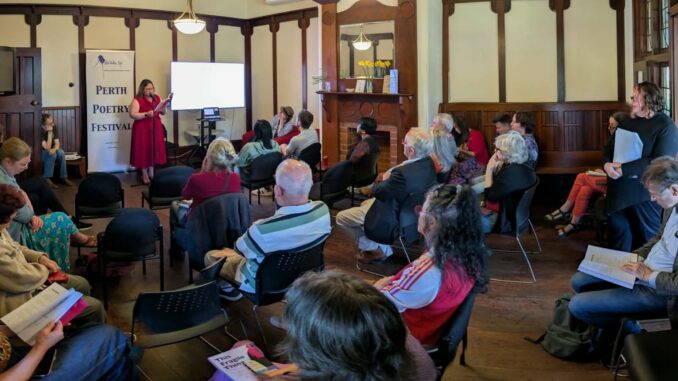
Following Dr Deanne Leber’s powerful introduction, the author, Dr Karen Lowry, took the audience into the heart of This Fragile Thing by reading a selection of her own poems. Before beginning, Karen thoughtfully acknowledged the difficult themes within the collection and reminded everyone to listen in whatever way felt safe for them. Her reading was intimate and courageous, allowing us to hear the poems directly in the poet’s own voice and to experience the emotional world behind the book.
This is a poem about an Ocean is a deeply unsettling and powerful poem in which Karen turns the ocean into a metaphor for trauma, memory and the loss of ownership over her own body. The sea constantly shifts between beauty and danger, with waves, tides, reefs, shipwrecks and darkness becoming reflections of a childhood marked by abuse. The image of her body as an enclosed sea is particularly haunting: something vast and alive yet also trapped and invaded. Family becomes part of the landscape too, with fishing, hooks, shells and wreckage suggesting how trauma can become entangled across generations. The imagery moves like water itself, sometimes expanding and sometimes narrowing, carrying buried memories back to the surface. The poem is painful, but it is also an act of reclaiming language and confronting a past that once had the power to silence her.
Training Bra: In this deeply imaginative poem, Karen maps the story of her childhood onto the language of houses, rooms and construction. Each age marks another stage of growing up, but instead of safety and freedom, her body becomes a space occupied and controlled by someone else. The recurring images of walls, windows, doors, keys, alarms, rooms and eventually a crime scene reveal how a child gradually learns to protect herself. The poem is especially powerful because the language of architecture changes with her: what begins as a child’s dream of decorating a bedroom becomes a landscape of fear, evidence and courtrooms. By seventeen, the house is a construction site; by eighteen, she begins to reclaim it. The final thought, that the house may look loose and imperfect, but it is hers becomes a quiet but profound statement of survival. After everything that was taken from her, Karen is finally able to inhabit her own body and life on her own terms.
Separated from my Family Tree is a beautiful movement from trauma towards survival. Karen uses the language of roots, soil, trees, weeds, water and gardens to describe the slow and difficult process of healing. The trauma may become a flood that damages everything around it, yet she refuses to be washed away. The image of herself as a resilient vine is especially powerful because a vine survives by finding somewhere to hold, sending its roots deeper and continuing to grow. The presence of her mother adds tenderness to the poem: she clears the weeds, waters the garden and helps create a space where growth is possible. By the end, the garden is no longer a place of damage but a place of belonging. “This garden belongs to us” feels like a declaration of reclamation, a life once overtaken by trauma is slowly being taken back and made her own.
Key – Cutting is a powerful and deeply moving exploration of trauma, memory, family and survival. Through the recurring image of the key, she transforms an ordinary object into a symbol of inherited pain, locked memories, fractured relationships and the longing to find safety. The images of floods, fire, electricity, drowning and locked doors create a world where emotional trauma becomes almost indistinguishable from natural disaster. Her repetition and fragmented lines beautifully reflect the confusion and instability of painful memories, while the trembling hand of the child learning to write connects the past with the adult self. Yet beneath the darkness is resilience: even when the key breaks or no longer fits, the speaker continues searching for a way to open the door.
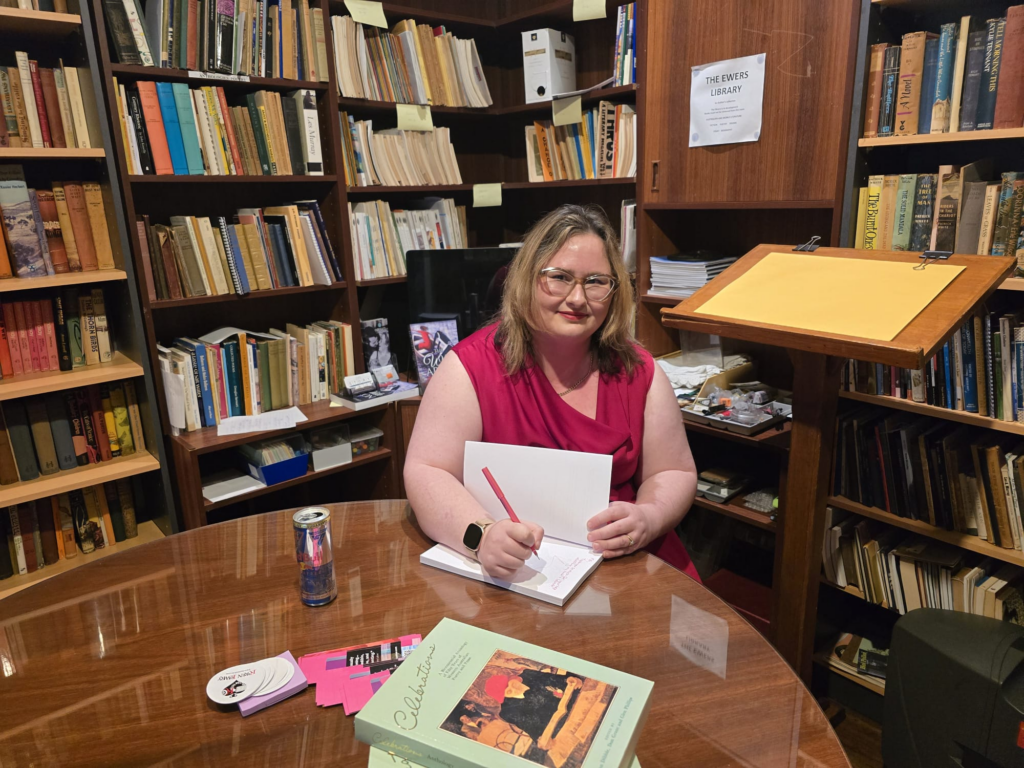
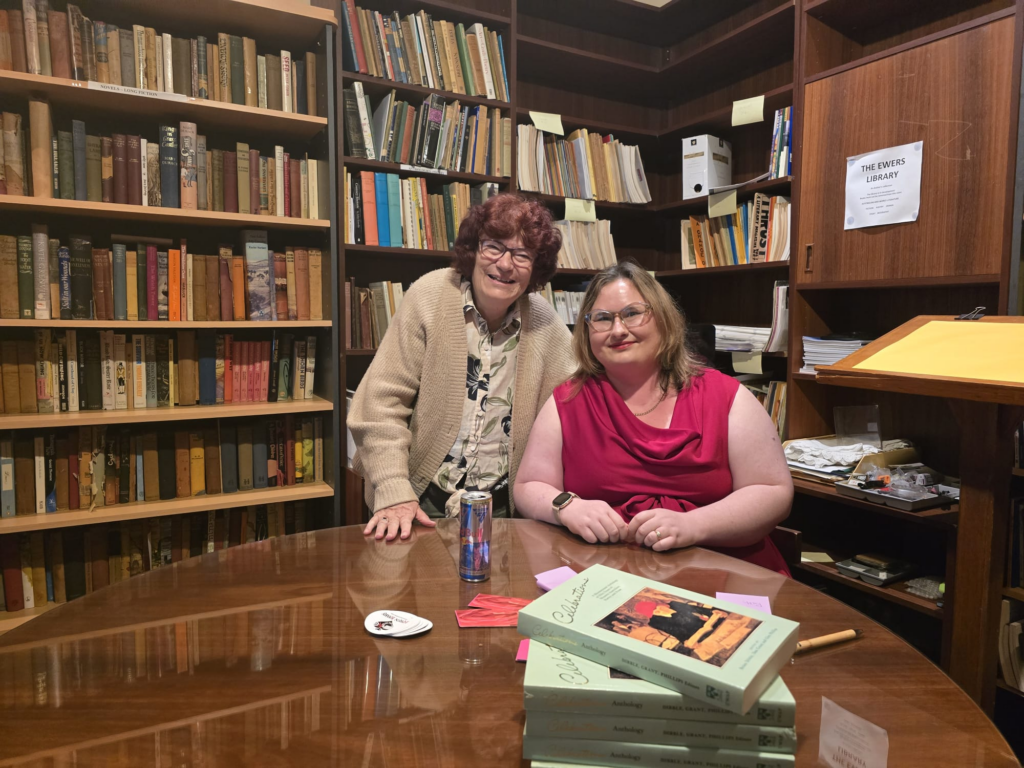
The launch was a deeply moving celebration of poetry, voice and human experience, bringing the poet’s powerful work to life through her reading and reflections. Her poem resonated deeply with the audience through its raw exploration of trauma, memory, family and survival, while the recurring image of the key offered a striking metaphor for the doors we inherit, the wounds we carry and the courage to keep opening new ones. The emotional resonance of the work was reflected in the warm response from the audience, as people eagerly lined up to have their copies signed and to share their appreciation for the poet’s powerful words. This beautiful moment of connection between the poet and her readers made the launch especially memorable, reminding us of poetry’s unique ability to transform personal pain into something shared, meaningful and profoundly human.