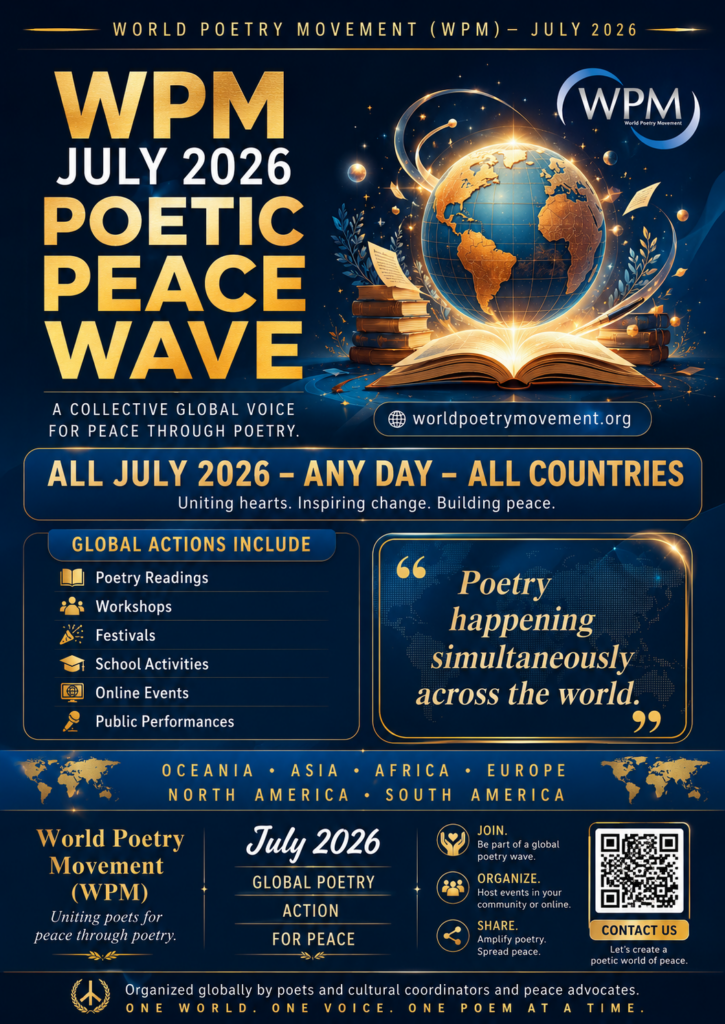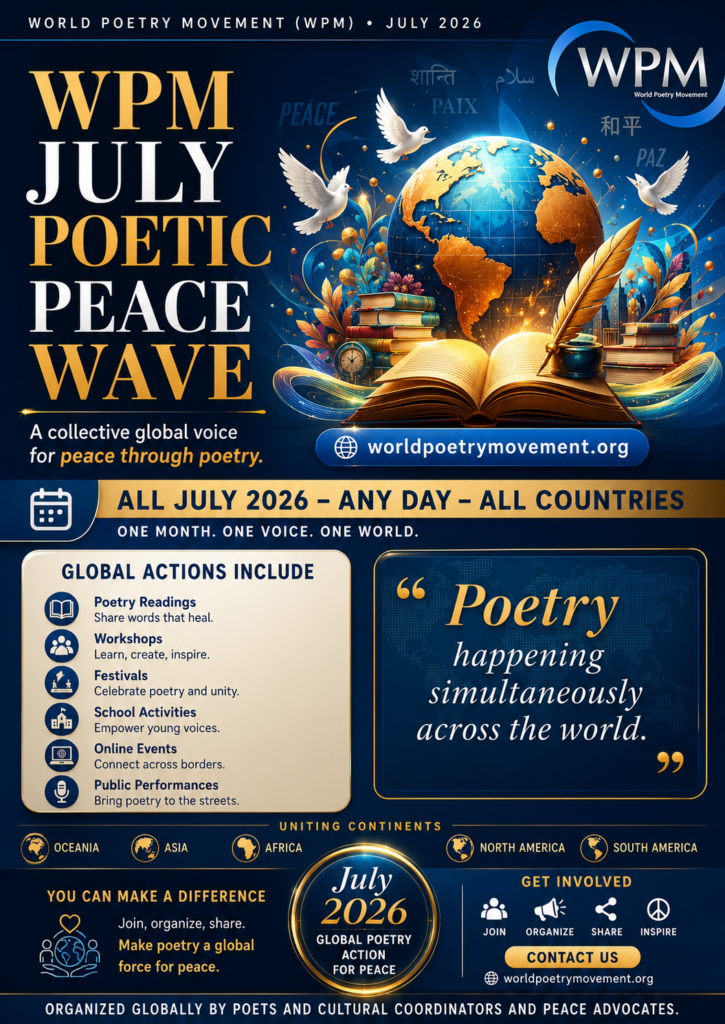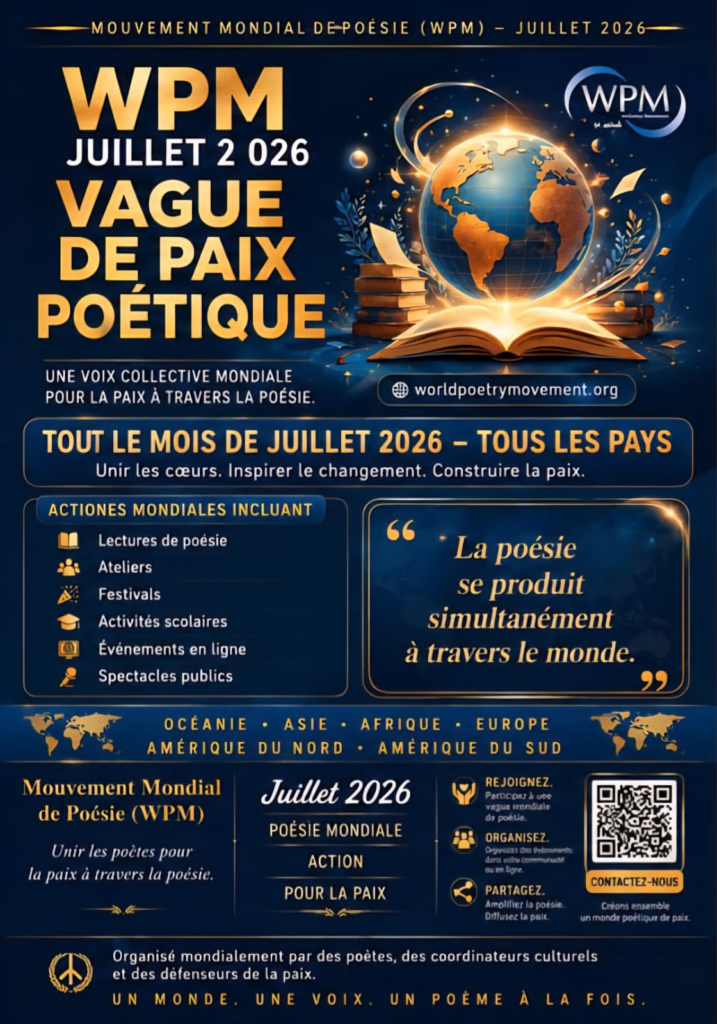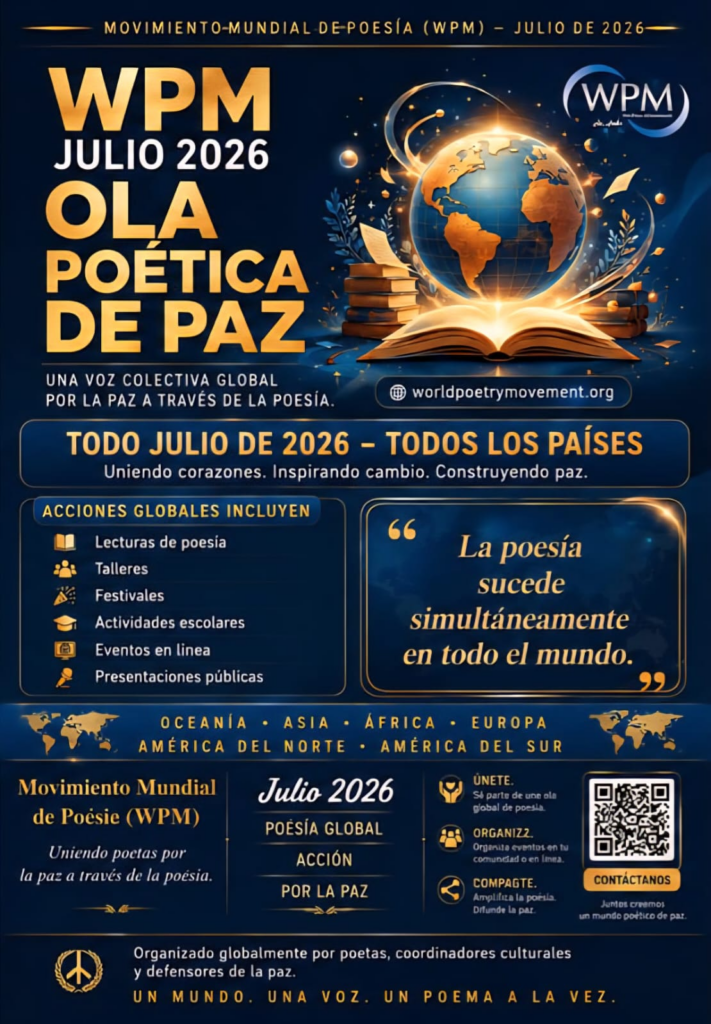
Flyer Summary – Key Points
International Coordinating Committee Meeting
World Poetry Movement (WPM)
17 May 2026
- Official welcome to Mai as Continental Coordinator for Oceania
- Strengthening international collaboration across continents
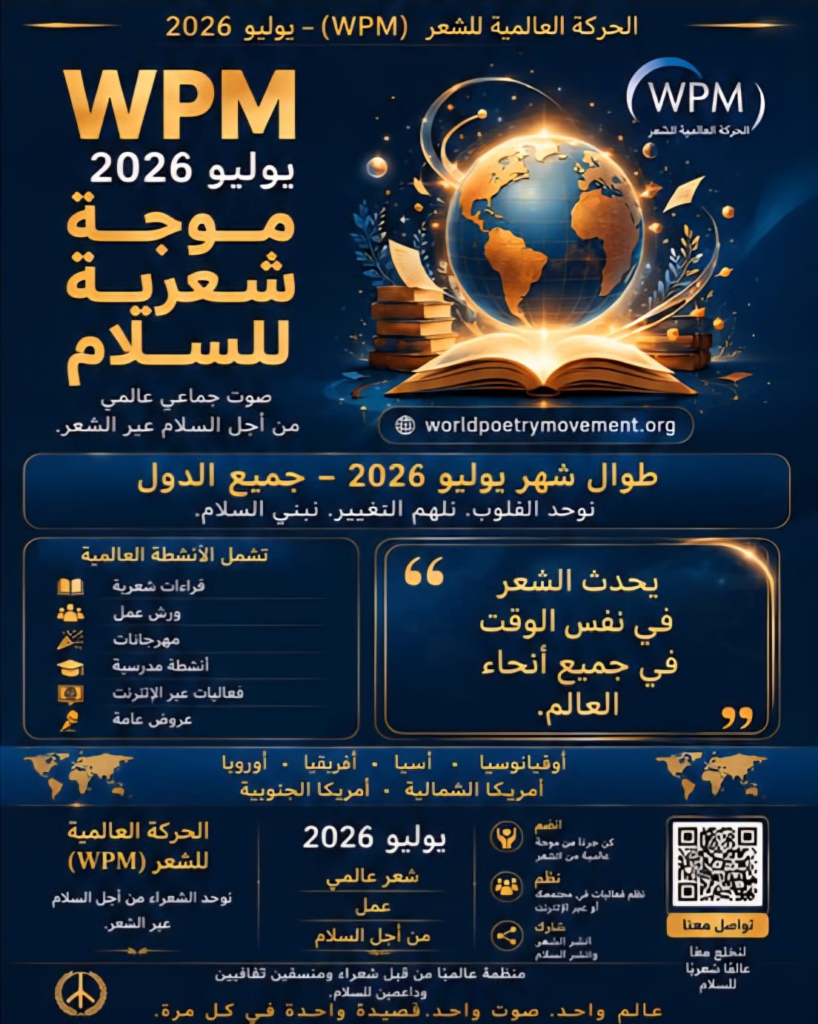
- Proposal approved for a Global Poetry Action for Peace – July 2026
- Worldwide poetry readings, workshops, festivals, and online events planned
- Expansion of World Poetry Schools and youth engagement initiatives
- Calls for stronger regional cooperation in Africa, the Arab world, and Oceania
- Emphasis on multilingual inclusion and cultural respect
- International media and video campaign proposed for global outreach
- Participation confirmed from poets and coordinators across:
- Oceania
- Asia
- Africa
- Europe
- North America
- South America
- Collective support for peace, dialogue, justice, and solidarity through poetry
- Future coordination meeting to finalize July campaign plans
“Let the voice of poetry be heard more powerfully than war.”
International Coordinating Committee Meeting – World Poetry Movement (WPM)
Date: 17 May 2026
Format: International Online Coordinating Meeting
Participants
Present at the meeting were:
Fernando Rendón, Mrs Rendón, Achour Fenni, Christos Koukis, Radhouane Ajroudi, Oscar Saavedra Villarroel, Rati Saxena, Vadim Terekhin, Cao Shui, Vanessa Torres Mayorga, Nicolás Antonioli, Norma Flores Allende, Enrique Sanchez Hernani, Matt Sedillo, Monik Ele, Keamogetsi Joseph Molapong, AAAA AL HAIL, and coordinators and poets from multiple countries and regions.
Opening and Welcome
The meeting opened with greetings from Medellín and reflections on the ongoing work of the World Poetry Movement in maintaining international cultural cooperation, peace advocacy, and poetic solidarity across continents.
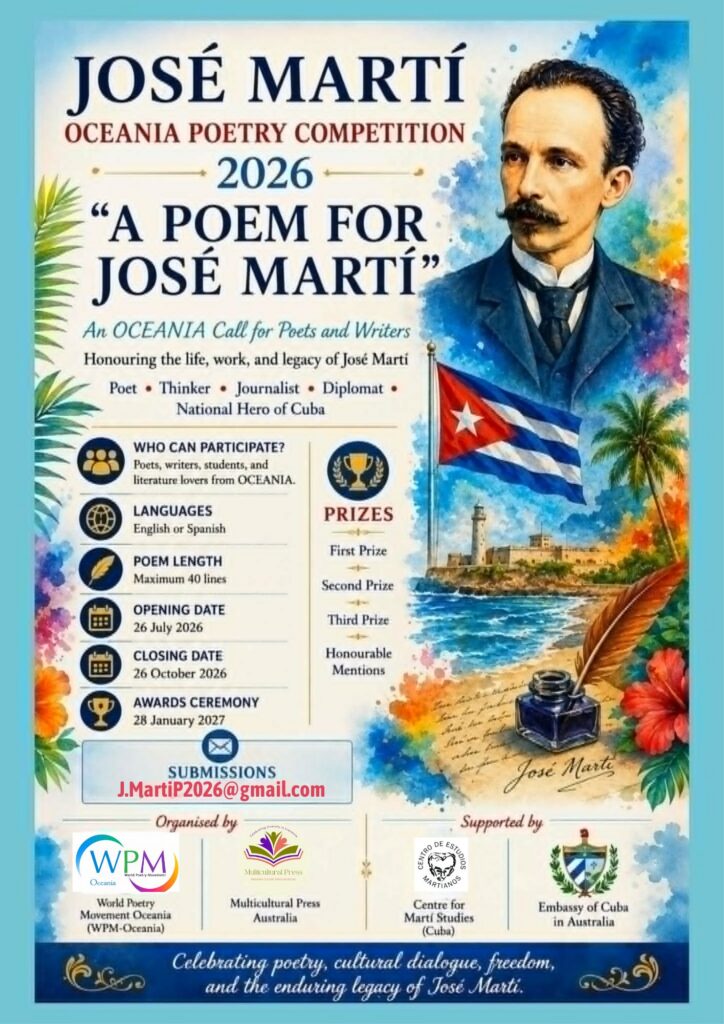
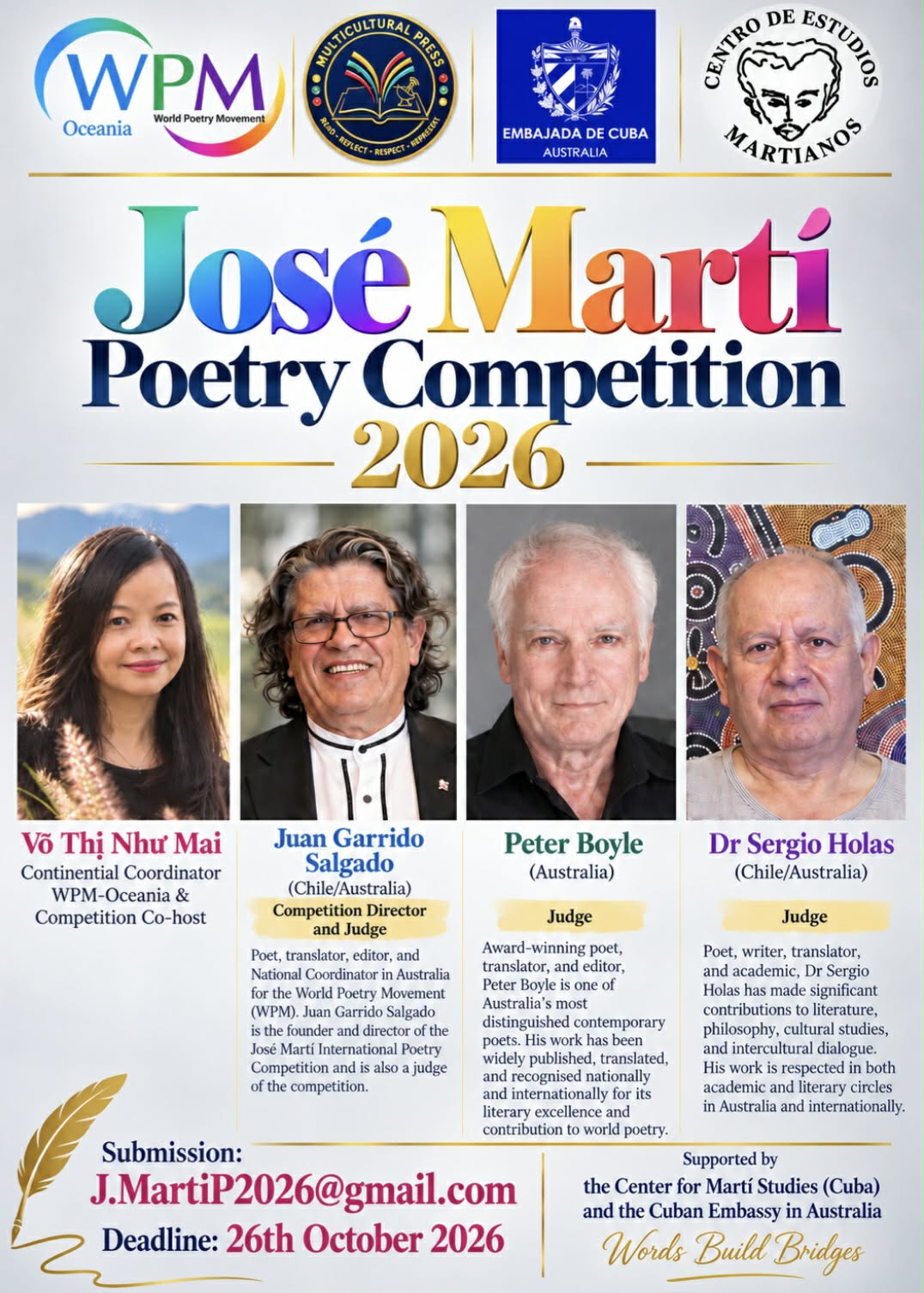
A key point of the meeting was the transition in Oceania coordination. The committee officially welcomed Mai as the new Continental Coordinator for Oceania. The leadership emphasized the importance of collective work across countries and encouraged broader regional collaboration throughout Oceania.
Mai was warmly welcomed by participants from different continents, many of whom expressed appreciation for her initiative, communication efforts, and presentation work. Several members highlighted the importance of younger and multicultural leadership in strengthening the movement’s future development. The discussion quickly moved toward future collective actions and July peace initiatives.
Main Themes and Discussions
1. Global Poetry Action for Peace – July 2026
The principal proposal of the meeting was the organization of a global poetic action for peace throughout July 2026.
The initiative aims to unite poets, festivals, literary organizations, poetry schools, and cultural institutions around the world through:
- Poetry readings
- Workshops
- Public discussions
- Virtual and in-person recitals
- International collaborations
- Multimedia campaigns for peace
Each country and region was invited to organize activities on dates most suitable for local organizers during the month of July.
Participants emphasized that poetry should actively defend:
- Peace without war
- International dialogue
- Social justice
- Human dignity
- Protection of children and civilians
- Cultural solidarity
- Defense of life and nature
2. International Coordination and Regional Cooperation
Several speakers proposed stronger regional structures within WPM.
North Africa and Arab Region
Radhouane Ajroudi proposed creating collaborative regional structures similar to Oceania’s model, including:
- North African coordination
- Arab regional coordination
- Rotating leadership among countries every three months
- Shared responsibility between organizations
This proposal received support from several participants, including Achour Fenni.
3. Poetry Schools and Youth Development
Discussions focused on expanding World Poetry Schools and engaging younger generations.
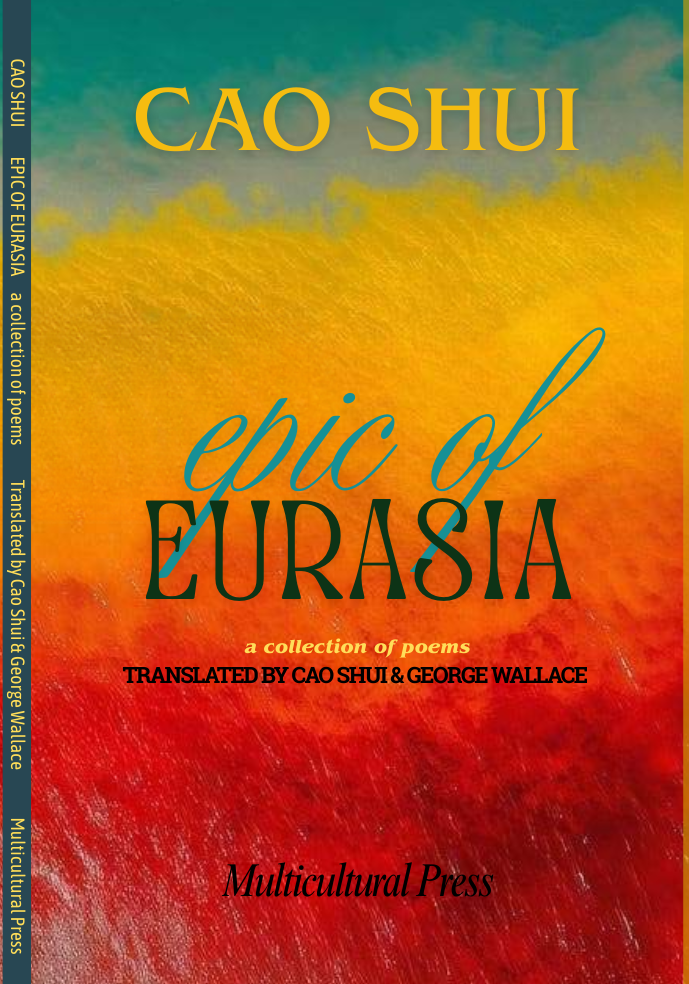
Cao Shui shared ongoing efforts to develop poetry schools throughout China and encouraged international exchange of educational experiences and methodologies.
Participants discussed:
- Youth engagement
- Multilingual cultural work
- Educational outreach
- Sharing models from Latin America and Asia
- Building poetry programs for children and communities
4. Multilingualism and Cultural Respect
A significant discussion addressed language inclusion and respect for linguistic diversity within international meetings.
Participants reaffirmed the importance of:
- Arabic
- Spanish
- English
- French
- Indigenous languages such as Guaraní
Several members emphasized that cultural diversity and linguistic inclusion are central values of the World Poetry Movement.
5. Media, Digital Outreach, and International Visibility
Oscar Saavedra Villarroel proposed creating a coordinated international media campaign through:
- Short vertical videos
- Social media distribution
- Unified visual identity
- Shared slogans
- International participation
- Viral communication strategies
The proposal received broad support from participants in Paraguay, the United States, and other countries.
The objective is to:
- Increase international visibility
- Reach wider audiences
- Strengthen the collective global voice of poetry for peace
- Coordinate publication and promotion across countries
6. International Solidarity and Peace Advocacy
Many interventions addressed current global conflicts and the responsibility of poets to advocate for peace and human dignity.
Vadim Terekhin shared reflections following his recent visit to Palestine and proposed stronger cultural solidarity initiatives and possible future forums.
Participants repeatedly emphasized:
- International solidarity
- Humanitarian concern
- Dialogue between peoples
- The role of poetry against violence and war
7. Country and Regional Contributions
Several countries announced planned actions for July:
- Greece will organize three peace poetry events, including international readings.
- United States representatives proposed bilingual poetry events and wider international participation.
- China committed to expanding peace-related cultural activities.
- Paraguay expressed support for coordinated multimedia campaigns.
- Namibia, Tunisia, Peru, and others expressed commitment to participating in the July initiatives.
Closing Remarks
The meeting concluded with a collective commitment to strengthen international coordination and organize one of the largest global poetic peace actions in WPM history.
The leadership emphasized that poetry must continue to speak louder than violence, division, and war, and encouraged all coordinators to begin preparations immediately for July activities, slogans, media materials, and international collaboration.
A future planning meeting will be scheduled to coordinate the July global campaign in greater detail.
The International Coordinating Committee Meeting of the World Poetry Movement brought together poets, coordinators, translators, organizers, and cultural representatives from multiple continents in a broad discussion focused on peace, global poetic action, cultural cooperation, multilingual inclusion, youth engagement, and the strengthening of international coordination structures.
The atmosphere of the meeting was marked by solidarity, urgency, and collective commitment to the role of poetry in times of global conflict and social instability. Throughout the session, participants shared reflections on cultural responsibility, regional coordination, poetry schools, media outreach, and preparations for an international peace campaign planned for July 2026.
DETAILED MEEETING: Opening Remarks and Coordination Transition
The meeting opened with greetings from Medellín by Fernando Rendón, who introduced the main themes of the gathering and reflected on the complexity of maintaining an international literary movement across many cultures, countries, ideologies, and working realities.
Fernando addressed the transition of leadership in Oceania, explaining the importance of collective and regional work rather than individual coordination. He stated that the ideal structure for WPM is one where every continent develops a broader collaborative network with active participation from multiple countries and coordinators.
He acknowledged that the process of leadership transition in Oceania had created some confusion but clarified that the intention was to strengthen collective development and regional cooperation. He emphasized that the movement requires teamwork and shared responsibility in order to sustain long-term growth.
Fernando then officially welcomed Mai as the new Continental Coordinator for Oceania, expressing confidence in her capacity to organize and expand activities throughout the region. He noted that Mai had already begun active work and praised her initiative, communication, and organizational efforts.
He also reflected on the broader challenges faced by poets worldwide:
- balancing literary work with professional responsibilities,
- sustaining regular meetings,
- coordinating across time zones and languages,
- and maintaining unity amidst cultural diversity.
Despite these challenges, he emphasized that the movement continues moving forward because the world urgently needs poetry, dialogue, and peace.
Welcome to Mai and Oceania Coordination
The welcoming of Mai became one of the central emotional moments of the meeting.
Many participants expressed appreciation for:
- her multicultural vision,
- technological initiative,
- communication skills,
- and willingness to build connections across Oceania.
Fernando explained that Mai intends to:
- strengthen media outreach in Australia,
- connect poets across Oceania,
- organize poetry readings and cultural activities,
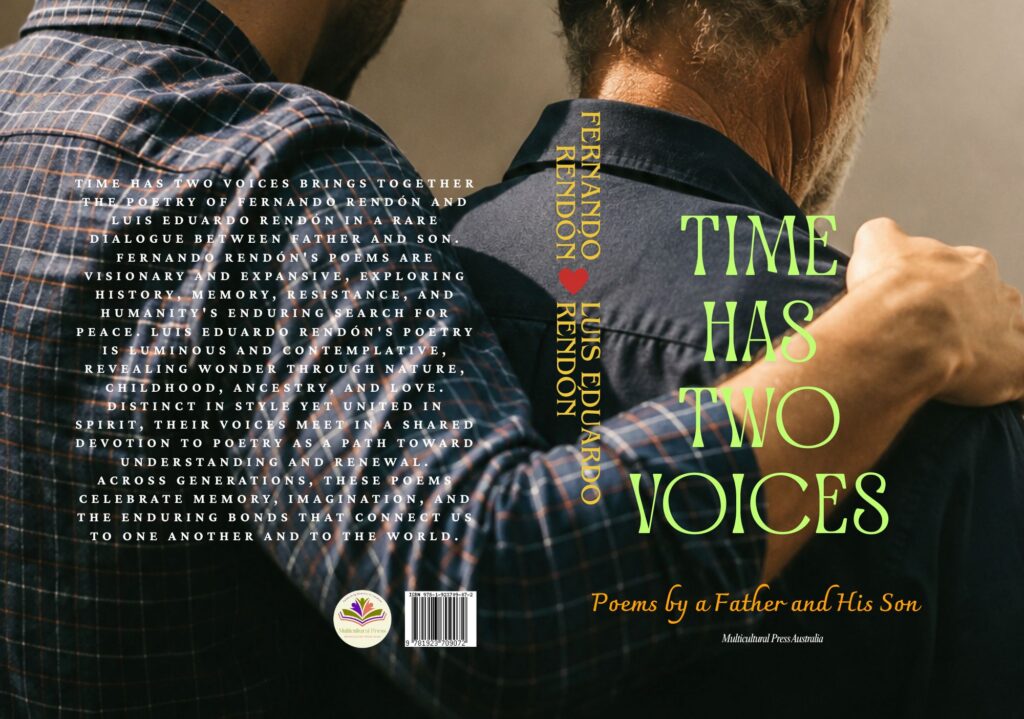
- and use her multicultural publication platform to support literary dissemination.
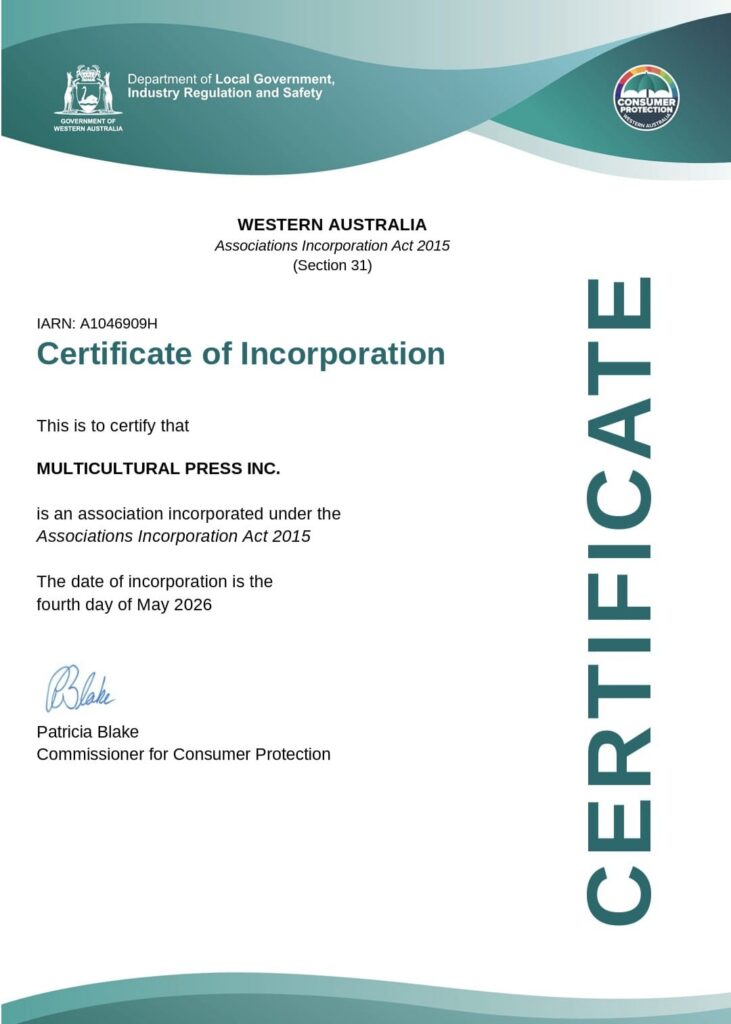
He highlighted that Mai’s multicultural publication was receiving official government certification, which would help strengthen future cultural and literary projects.
The welcome remained modest and constructive, with participants quickly focusing on future collaborative actions and July initiatives rather than personal praise.
Intervention by Radhouane Ajroudi
Radhouane Ajroudi contributed several important organizational proposals.
He proposed that the Oceania coordination model could inspire similar regional structures in:
- North Africa,
- the Arab world,
- and other regions with multiple neighboring countries.
His proposal suggested:
- creating regional organizations,
- rotating spokespersons every three months,
- and encouraging closer cooperation between countries.
He explained that rotating leadership could:
- strengthen unity,
- reduce organizational pressure on individuals,
- and create stronger regional participation.
Radhouane also raised the issue of poetry schools, asking members to share educational experiences and methodologies that could help engage:
- children,
- young poets,
- and emerging literary communities.
He emphasized the importance of exchanging practical experiences rather than remaining only at the level of theory.
Later in the meeting, Radhouane also served as a translator and mediator, helping summarize discussions for participants who did not fully understand English.
Language Inclusion and Intervention by Achour Fenni
A significant moment occurred during discussions around language use in the meeting.
When there was concern about time management and translation efficiency, Achour Fenni intervened firmly to defend the importance of respecting Arabic language participation.
He objected to interrupting speakers using Arabic and stated clearly that:
- Arabic should be respected equally,
- linguistic diversity is essential,
- and international meetings should not privilege only dominant languages.
His intervention reinforced the movement’s commitment to multilingual inclusion and cultural dignity.
Fernando later clarified that no disrespect had been intended and reaffirmed the importance of all languages represented in the movement.
Intervention by Rati Saxena
Rati Saxena delivered one of the most encouraging and emotionally supportive interventions regarding Mai and the future of WPM.
She praised Mai’s presentation and organizational work, saying that:
- the presentation was technologically strong,
- visually clear,
- and represented a refreshing energy for the movement.
Rati emphasized that younger generations bring:
- technological knowledge,
- new communication methods,
- and renewed energy.
She proposed that Mai could help other regions develop similar presentation systems and communication strategies under a unified WPM structure.
Rati also reflected honestly on the difficulties many older coordinators have faced over the years:
- limited resources,
- exhaustion,
- and personal responsibilities.
She expressed hope that newer generations could help revitalize the movement while maintaining respect for older members and their contributions.
She repeatedly emphasized:
- togetherness,
- unity,
- love,
- and mutual respect.
Rati later announced plans to organize at least two poetry readings connected to the July peace campaign, potentially including Indian languages alongside English translation.
Intervention by Cao Shui
Cao Shui focused on institutional development and long-term strategy.
He stated that the appointment of new coordinators represented:
- an important institutional reform,
- an opportunity for healthier development,
- and a chance to strengthen unity within WPM.
Cao Shui emphasized the importance of:
- implementing the WPM Charter,
- following the 2023–2028 Strategic Plan,
- and strengthening educational initiatives.
He shared that he is currently developing World Poetry Schools across China and encouraged international collaboration in educational projects.
He later proposed organizing a Global Peace Poetry Recital connected with the 6th Silk Road International Poetry Festival in Kazakhstan and Uzbekistan, potentially including activities in Almaty.
Fernando later directly encouraged Cao Shui to develop as many peace actions as possible throughout China in cooperation with literary associations and writers’ unions.
Intervention by Vadim Terekhin
Vadim Terekhin spoke extensively about his recent visit to Palestine.
He explained that he had met:
- governors,
- the Minister of Culture,
- the Minister of Foreign Affairs,
- and the Prime Minister.
Vadim described the vulnerable conditions faced by Palestinians and emphasized the need for stronger international cultural solidarity.
He proposed:
- creating a cultural and literary movement supporting Palestine,
- and organizing a future international forum in Palestine.
His intervention deeply influenced the peace-oriented direction of the meeting.
Several participants later supported the idea that the July poetic actions should include strong solidarity with Palestine and broader calls for peace.
Intervention by Vanessa Torres Mayorga
Vanessa Torres Mayorga spoke from California despite being unwell.
Her intervention focused strongly on:
- communication between peoples,
- media barriers,
- and the importance of cultural dialogue.
She stated that many people in the United States do not support war, but mainstream media often prevents meaningful communication between American society and the rest of the world.
Vanessa announced plans for:
- bilingual poetry events in Spanish and English,
- potentially one event on each coast of the United States,
- and virtual international participation.
She also encouraged Mai to use virtual communication tools to connect poets across Oceania and strengthen regional collaboration.
Later in the meeting, Vanessa proposed that:
- Palestinian solidarity remain visible throughout all July activities,
- and that Palestinian symbolism potentially appear in coordinated media campaigns and videos.
Intervention by Enrique Sánchez Hernani
Enrique Sanchez Hernani expressed appreciation for the enormous volunteer efforts required to organize multilingual international meetings.
He acknowledged:
- translators,
- coordinators,
- and organizers who work without financial compensation.
Enrique strongly supported the July peace campaign and proposed:
- creating a common slogan,
- organizing virtual recitals,
- and using social media as a primary communication strategy.
He pointed out that digital platforms often reach larger audiences than local in-person events.
He also encouraged WPM to collaborate with:
- poetry organizations,
- festivals,
- and peace movements worldwide.
Intervention by Christos Koukis
Christos Koukis warmly welcomed Mai and expressed confidence in future collaboration between Greece and Oceania.
He spoke about:
- his respect for Arab culture,
- translation initiatives in Greece,
- and the importance of literary exchange.
Christos announced that Greece had already scheduled:
- three peace events for July,
- including two international poetry readings.
He also offered:
- translation support,
- organizational assistance,
- and collaboration for future conferences and festivals.
Intervention by Oscar Saavedra Villarroel
Oscar Saavedra Villarroel focused heavily on media strategy and digital communication.
He proposed creating:
- professional vertical videos,
- coordinated international media campaigns,
- unified visual identity,
- and algorithm-driven social media outreach.
Oscar emphasized that isolated events often fail to achieve broad impact, whereas coordinated digital campaigns could potentially reach:
- tens of thousands,
- or even hundreds of thousands of people.
He offered personally to:
- edit videos,
- coordinate visual presentation,
- and manage communication strategies.
His proposal received strong support from multiple participants.
Oscar also recommended limiting excessive chat communication in order to maintain organizational clarity and reduce confusion.
Intervention by Monik Ele and Norma Flores Allende
Monik Ele strongly supported:
- the July global action,
- Oscar’s communication strategy,
- and collective international visibility.
She emphasized that:
- global actions are among the strongest aspects of WPM,
- and that photographic and video documentation is essential.
She also contributed important reflections on multilingualism in Paraguay, discussing:
- Spanish,
- Guaraní,
- and increasing English use among younger generations.
Norma Flores Allende later reaffirmed Paraguay’s support for coordinated media outreach and collective action.
Intervention by Matt Sedillo
Matt Sedillo expressed enthusiasm regarding:
- Mai’s appointment,
- collaboration with Vanessa,
- and Oscar’s media proposals.
He discussed his broader cultural work in Los Angeles through:
- El Martillo Press,
- the Mexican Cultural Institute of Los Angeles,
- and literary distribution projects.
Matt revealed that discussions are underway regarding a potential major poetry festival in Los Angeles, which could potentially collaborate with WPM in the future.
Intervention by AAAA AL HAIL
AAAA AL HAIL delivered a reflective and humanitarian message focused on:
- peace,
- justice,
- compassion,
- sovereignty,
- education,
- food security,
- and human dignity.
She stated that poetry and peace help strengthen human connection and encourage:
- tolerance,
- cooperation,
- and kindness.
She praised the peaceful transition within Oceania coordination as an example of dialogue and cooperation.
Closing Reflections by Fernando Rendón
In the closing section, Fernando Rendón reaffirmed that:
- collective poetic action remains one of WPM’s greatest strengths,
- and that previous global actions have already mobilized thousands of activities worldwide.
He declared that poets and ordinary people are exhausted by:
- massacres,
- bombings,
- destroyed communities,
- and endless wars.
Fernando stated that it is time for:
- the values of humanity,
- solidarity,
- compassion,
- and poetry itself
to become louder than violence and destruction.
He announced that:
- another coordination meeting would soon be scheduled,
- all regions should begin preparing slogans and media materials,
- and the July action should become the strongest global initiative in WPM history.
The meeting concluded with expressions of solidarity, gratitude, and commitment to continuing international collaboration for peace through poetry.